logo
0

Cloth Diaper vs Disposable Diaper: Pros, Cons & Usage Tips

Cloth diaper vs disposable — compare cost, skin safety, convenience & environmental impact. Expert-reviewed tips to choose right for your baby.

article image

Dr.Nallapu Siri

Choosing between a cloth diaper and a disposable one feels simple until you are standing in a store at midnight, exhausted and overwhelmed. This decision affects your baby's skin comfort, your household budget, and your environmental footprint, so it deserves a clear, honest look. Both options have worked well for millions of families across India, and the right choice usually comes down to your lifestyle, your baby's skin sensitivity, and how much washing you can realistically manage.

Cloth Diapers vs Disposable Diapers: Quick Overview

A cloth diaper is a washable, reusable covering made from fabric such as cotton, bamboo, or microfiber. Modern versions come as flat squares, pre-folds, or all-in-one pocket styles with waterproof outer layers. A disposable diaper is a single-use product with an absorbent gel core that locks moisture away from the skin, then goes straight into the bin.

The cloth diaper vs disposable debate is not about which is universally superior. It is about trade-offs across cost, convenience, skin health, and environmental impact.

Pros and Cons of Cloth Diapers

For babies prone to heat rash or chemical sensitivity, breathable cotton or bamboo cloth diapers can be gentler on skin. That said, a wet or soiled cloth diaper left on for too long can contribute to skin irritation and diaper rash. Prompt changing helps limit prolonged contact with moisture and stool.

What works well:

  • Lower long-term cost, especially if the same set is used across two children.
  • Breathable natural fabrics may reduce heat and irritation for babies with sensitive skin.
  • Far less plastic waste ending up in landfills.
  • Cloth diapers can avoid the absorbent gels and fragrances used in some disposable diapers.
  • Adjustable fit with snap or Velcro sizing suits newborns through toddlers.

Where they fall short:

  • Require washing every one to two days, adding to water and energy use.
  • Higher upfront cost for a good starter set.
  • Leakage is more likely if the diaper is not changed promptly or fitted correctly.
  • Travelling, nurseries, and overnight use need extra planning.
  • Drying time can stretch in monsoon weather.

Pros and Cons of Disposable Diapers

Disposables win on convenience, particularly for outings, overnight use, and childcare settings where caregivers cannot manage washing. However, that convenience carries a real cost over time, both financial and environmental.

What works well:

  • Absorbent gel core keeps moisture away from skin between changes.
  • No washing needed; caregivers at nurseries or crèches can use them without preparation.
  • Available in a wide range of sizes, including newborn cuts with umbilical-cord notches.
  • Useful as a backup during travel or illness.

Where they fall short:

  • Monthly cost adds up significantly over two to three years.
  • Most diapers take a very long time to decompose in landfill and are not recyclable.
  • Some disposable diapers contain fragrances or other materials that may irritate sensitive skin.
  • The plastic outer layer traps heat, which may worsen rash in India's humid summers.

Biodegradable or eco-certified disposables exist and are a reasonable middle ground, though they tend to cost more and are not widely available outside large cities.

Cost Comparison: Cloth vs Disposable Diapers in India

Prices shift with brand, city, and retailer, so treat these figures as approximate guides rather than fixed costs. Regional variation in India can be significant.

CategoryApproximate Cost (indicative only)
Cloth diaper starter setCosts vary by brand, product type, number of diapers, and retailer.
Monthly disposable spend (newborn stage)Costs vary according to diaper brand, size, number of changes, pack size, and retailer.
Annual disposable spendThis varies according to monthly diaper usage, brand, size, and local pricing.
Additional washing costs for clothCosts vary depending on local water, electricity, detergent prices, and washing frequency.

Over two years, a cloth diaper set typically costs considerably less than disposables, even after factoring in washing. If the same set is reused for a second child, savings grow further. The barrier is the upfront spend, which can be a real constraint for families managing month-to-month budgets.

How to Prevent Diaper Rash with Either Option

Diaper rash prevention depends far more on routine than on diaper type. These steps apply whether you use cloth or disposable:

  • Changing frequency: Change diapers frequently and as soon as possible after they become wet or soiled.
  • Cleaning: Clean the nappy area thoroughly with plain water and a soft cloth at each change; pat dry before the fresh diaper goes on.
  • Air exposure: Allow the skin to air for a few minutes if any redness appears.
  • Barrier protection: Apply a thin layer of barrier cream to help protect the skin from moisture and irritation, following the product instructions.
  • Wipes: Avoid wipes containing alcohol or fragrance on newborn skin.

For cloth users, rinse diapers free of detergent residue before drying. Detergent residue left on fabric may contribute to skin irritation. For disposable users, simply switching brands sometimes resolves reactions tied to fragrance or elastic material.

If a rash persists beyond two to three days of careful home care, or spreads beyond the nappy area, have a paediatrician assess it. For general guidance on treating minor skin irritation or wounds, always follow your doctor's advice rather than applying over-the-counter products unsupervised on infant skin.

This article is one piece of newborn care basics beyond diapering; good hygiene practices across all areas of newborn care work together to keep your baby comfortable and healthy.

Usage Tips for Cloth Diapers

Getting the routine right makes the difference between a smooth system and a leaky, frustrating one.

  • Washing: Rinse soiled diapers in cold water first to remove solids, then machine-wash with a mild, fragrance-free detergent. Check the fabric manufacturer's care label for the recommended wash temperature, as safe heat limits vary between cotton, bamboo, and microfiber. Avoid fabric softener as it coats fibres and reduces absorbency. Sun-drying is one option for drying cloth diapers and can also help fade stains.
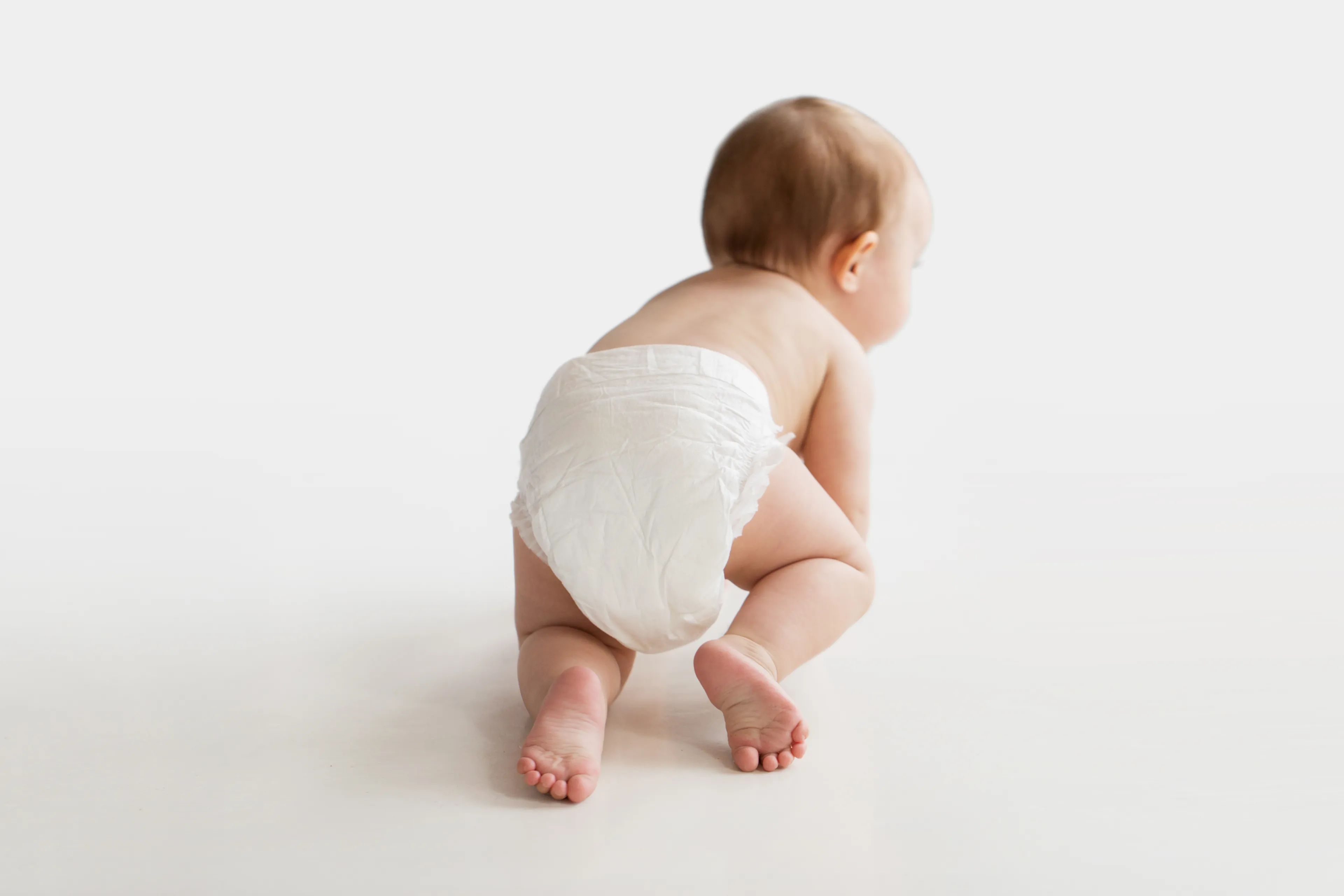
  • Changing frequency: Change cloth diapers regularly during the day and promptly after a bowel movement. Avoid leaving a wet or soiled diaper on for prolonged periods. At night, an additional absorbent insert may help increase absorbency; follow the manufacturer's instructions for the specific diaper system.
  • Starter quantity for newborns: Newborns generally need frequent diaper changes because they urinate and pass stools regularly. The number of cloth diapers you need depends on how often you plan to wash them and how frequently your baby needs changing.

Fabric types at a glance:

  • Cotton: widely available, affordable, and easy to wash.
  • Bamboo: soft and absorbent, depending on the product construction.
  • Microfiber: fast-drying and commonly used as an absorbent material, but follow the manufacturer's instructions for how it should be positioned in the diaper.

When to Consult a Doctor

Mild nappy rash often improves with appropriate home care, but seek medical advice if the rash does not improve, gets worse, or spreads. Seek medical advice sooner if you notice:

  • Rash that is spreading, blistering, or weeping.
  • Raised red patches with satellite spots (possible yeast or fungal infection).
  • Skin that looks raw, deeply cracked, or is bleeding.
  • Fever alongside the rash.
  • Signs of allergic reaction such as hives or swelling.

This article does not constitute medical treatment advice. Choosing a diaper type is a parenting and lifestyle decision, not a clinical one. If you suspect a severe skin reaction to any diaper product, stop use immediately and consult your paediatrician.

Contraindications and Precautions

Certain babies need extra care when choosing diaper materials:

  • Latex Allergy: Babies with a diagnosed latex allergy should have caregivers check the diaper's product information and packaging for latex or other materials that may trigger a reaction.
  • Eczema or Sensitive Skin: Babies with eczema or very sensitive skin may benefit from using a soft, skin-friendly liner between the absorbent material and the baby's skin.
  • Fragrance Allergy: If a baby has a known fragrance allergy, choose fragrance-free disposables or unbleached cloth.
  • Premature Newborns: Premature newborns may need specialist advice on the most suitable diaper type from their neonatal team.
  • Skin Fragility Disorders: If your baby has a skin condition such as epidermolysis bullosa or a similar fragility disorder, follow your dermatologist's specific recommendations before choosing any diaper material.

When in doubt, your paediatrician is the best person to advise based on your baby's individual skin history.

Conclusion

Cloth and disposable diapers each have practical advantages and limitations. Cloth diapers are reusable and can reduce ongoing waste, but they require regular washing and drying. Disposable diapers offer convenience and absorbency, particularly for travel, overnight use, and childcare. Whichever option you choose, frequent changing, proper cleaning, and attention to your baby's skin can help reduce the risk of irritation and diaper rash. Consider your baby's needs, your routine, washing capacity, and budget when deciding which option works best for your family.

FAQS

Are cloth diapers better than disposable diapers?

Neither is universally better. Cloth diapers cost less over time and use fewer chemicals, while disposables offer more convenience and absorbency. The best fit depends on your baby's skin needs, your daily routine, and your budget.

How many cloth diapers does a newborn need?

The number of cloth diapers needed depends on how frequently your baby needs changing and how often you plan to wash them. Newborns soil diapers far more frequently than older babies, so a larger starting quantity prevents you from running out mid-cycle.

Do disposable diapers cause diaper rash?

Disposable diapers do not automatically cause diaper rash, but fragrances, dyes, or bleached materials in some brands can irritate sensitive skin. Infrequent changing can increase the risk of diaper rash regardless of diaper type.

Can I use cloth diapers at night?

Yes, with an absorbent insert or booster suitable for the specific diaper system. Check the manufacturer's instructions and fit the diaper carefully before bed to reduce the chance of leakage.

What is the cost difference between cloth and disposable diapers per month?

Monthly disposable diaper costs vary according to the number of changes, diaper size, brand, pack size, retailer, and local pricing. Cloth diaper costs vary by brand, number of diapers, inserts, and retailer, so there is no single standard starter-set cost.

Apollo 247 Floating Action Button