logo
0

Cloth Diaper vs Disposable Diaper: A Complete Comparison

Compare cloth and disposable diapers by cost, convenience, absorbency, skin comfort, environmental impact, and everyday use to choose what suits your baby.

article image

Dr. Bhanu Prakash

Choosing between a cloth diaper and a disposable one is one of the first decisions new parents face, and it matters more than it might seem. The type of diaper your baby wears affects skin health, your daily routine, your budget, and your environmental footprint. There is no single right answer, but understanding the differences can help you make a confident choice for your family.

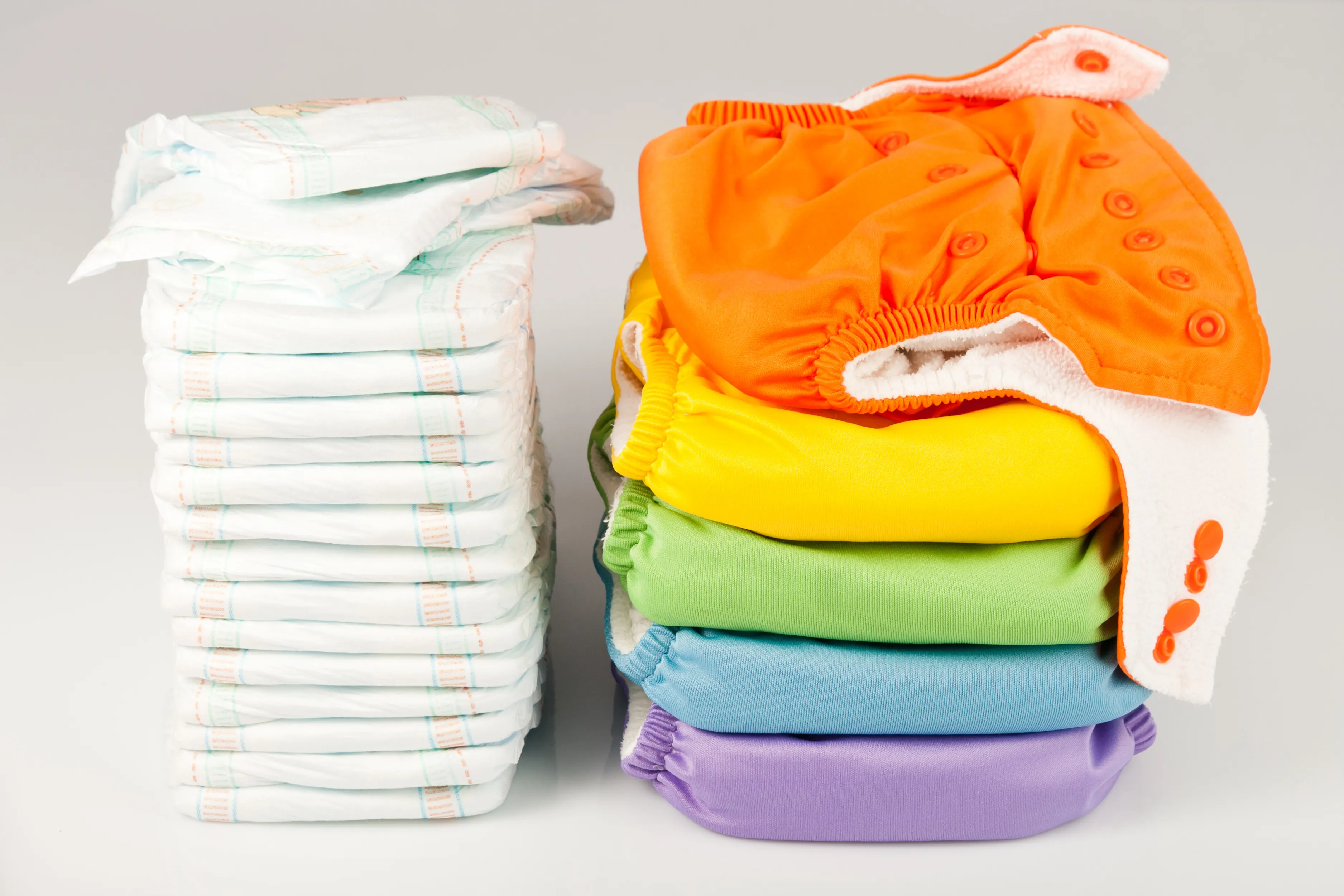
Cloth Diapers vs Disposable Diapers: Key Differences

Here is a quick side-by-side look at how the two options compare across the factors parents care about most.

FactorCloth DiaperDisposable Diaper
MaterialCotton, bamboo, or fleeceWood pulp, superabsorbent polymer gel
Upfront costHigher (one-time purchase)Lower per pack
Long-term costMuch lower over monthsAdds up significantly
AbsorbencyModerate; needs frequent changesHigh; can last longer between changes
Environmental impactLower waste; water used in washingHigh landfill waste
ConvenienceRequires washing and dryingReady to use; easy to discard
Best forHome use, budget-conscious familiesTravel, nights, outings

Both types have real advantages. The choice often comes down to your lifestyle rather than one being objectively superior.

Benefits of Cloth Diapers

If you are considering cloth diapers for your baby, it helps to understand their main benefits and drawbacks before making a choice. Here are some key advantages and considerations to keep in mind:

  • Lower long-term cost: Cloth diapers usually cost more initially, but reusable sets can reduce diaper expenses over time because they can be washed and reused. Some families may also use the same diapers for a younger sibling.
  • Soft, reusable fabrics: Many cloth diapers use materials such as cotton or bamboo. These fabrics can feel comfortable against a baby's skin, although individual babies may respond differently to particular materials.
  • Better airflow: Cloth diapers may allow more airflow around the diaper area than some disposable designs. In India's warm and humid climate, keeping the skin clean and dry and changing diapers regularly can help reduce irritation.
  • Less household waste: Reusable diapers can reduce the amount of disposable diaper waste sent to landfill. This makes them an option for parents who want to reduce their household's use of single-use products.
  • Suitable for sensitive skin: Some cloth diapers are available without added fragrances and certain ingredients found in disposable diaper products. However, skin sensitivity varies, and detergents, moisture, or prolonged contact with urine or stool can also cause irritation.
  • More washing and maintenance: The main drawback is the additional work involved. Cloth diapers need regular washing, thorough drying, and proper storage between uses. Managing them while travelling can also require extra planning.

Benefits of Disposable Diapers

Disposable diapers dominate the Indian market for practical reasons.

  • High absorbency: The absorbent core quickly draws moisture away from the skin and holds it inside the diaper, helping keep the surface relatively dry. This can be particularly useful overnight or during travel.
  • Convenient to use: Disposable diapers require no folding, washing, or drying, making them convenient for working parents, caregivers, and busy households.
  • Easy for caregivers: Grandparents, babysitters, and other caregivers may find disposable diapers straightforward to use, especially when they are unfamiliar with cloth diapering.
  • Practical for limited drying space: Families living in apartments or homes without suitable outdoor drying space may find disposable diapers easier to manage than reusable diapers that require regular washing and thorough drying.
  • Higher ongoing cost: Unlike reusable diapers, disposable diapers need to be purchased repeatedly, so the total cost can become significant over time.
  • More household waste: Used disposable diapers contribute to solid waste and are generally not reusable, making their environmental impact an important consideration for some families.

Diaper Rash: Causes and Concerns With Both Types

Diaper rash is among the most common skin concerns in babies, and both diaper types can cause it. Understanding what actually triggers rash is more useful than debating which diaper is inherently "safer."

The main causes include:

  • Prolonged contact with moisture from urine or stool
  • Friction from the diaper rubbing against soft skin
  • Infrequent changes, regardless of the diaper type used
  • Irritation from fragrances, dyes, or detergents (in wipes, detergents used for cloth diapers, or disposable liners)
  • Yeast or bacterial infections, which can develop quickly in a warm, moist environment

Cloth diapers, if not changed promptly, hold moisture against the skin longer than a disposable with a superabsorbent core. Disposables, on the other hand, may contain fragrances or chemical additives that irritate sensitive skin. Either type can cause rash when used incorrectly or changed infrequently.

If your baby has particularly sensitive skin, discuss your options with your paediatrician rather than relying on diaper type alone to prevent problems.

How to Prevent and Treat Diaper Rash

Most mild diaper rash clears within a few days with consistent home care. Knowing how to prevent diaper rash in the first place saves a lot of discomfort.

Prevention:

  • Change diapers frequently, ideally every two to three hours during the day or immediately after a bowel movement
  • Clean the skin gently with water and a soft cloth; avoid wipes containing alcohol or fragrance
  • Pat the area dry rather than rubbing, which adds friction
  • Allow the diaper area to air out for a few minutes at each change
  • Apply a thin layer of zinc oxide-based barrier cream at each change to protect the skin

Treating mild rash at home:

  • Increase the frequency of changes right away
  • Use plain water for cleaning temporarily instead of wipes
  • Apply a barrier cream consistently at every change
  • Offer more diaper-free time during the day

For general guidance on treating minor skin irritation and wounds, gentle cleaning and keeping the area dry are the cornerstones of care, and the same logic applies to the diaper zone.

If the rash is spreading, blistering, has small red spots around the edges (a possible sign of yeast infection), or your baby seems very uncomfortable or feverish, consult a doctor promptly. Do not self-treat with antifungal or steroid creams without medical advice. If you notice any unexpected skin reaction after using a new cream or product, report it to your healthcare provider or the Central Drugs Standard Control Organization (CDSCO).

Contraindications and When to Avoid Certain Products

If your baby develops diaper rash, careful product selection is important because some creams and powders may irritate already sensitive skin. Keep these precautions in mind:

  • Broken or bleeding skin: Avoid applying barrier creams or medicated ointments to severely cracked, bleeding, or broken skin unless recommended by a doctor.
  • Medicated creams: Do not use antifungal or steroid-containing creams without medical advice, even if the rash appears severe. The correct treatment depends on the underlying cause.
  • Signs of infection: If the rash is weeping, crusting, rapidly spreading, or becoming significantly worse, stop any recently introduced products and seek medical advice.
  • Fragranced powders: Avoid scented baby powders in the diaper area because loose powders can be inhaled and may irritate an infant's airways.
  • New products: Introduce new creams, wipes, or other diaper-care products cautiously, particularly if your baby has sensitive skin or has previously reacted to a product.

Report any adverse reactions to a product to your healthcare provider or the relevant regulatory authority. This applies to barrier creams, medicated ointments, diaper wipes, and detergents used to wash cloth diapers.

Which Diaper Type Should You Choose?

There is no universally correct answer, but a few clear patterns can guide your decision.

Choose a cloth diaper if:

  • Your budget is a priority and you are willing to invest time in washing
  • Your baby has sensitive skin or has reacted to fragrances or chemical additives
  • You are at home for most of the day and can manage frequent changes
  • Reducing environmental waste is important to your family


Choose disposable diapers if:

  • You travel frequently or have a demanding work schedule
  • You need reliable overnight absorbency
  • Your caregiver or support network is more comfortable with disposables
  • You live in a space without reliable drying facilities for cloth

Many families use both, cloth diapers at home and disposables for travel or nights. This hybrid approach captures the cost and skin benefits of cloth while keeping the convenience of disposables where it counts most.

For questions about newborn care basics beyond diapering, including umbilical cord care and skin hygiene, your paediatrician is the best starting point.

If your baby has a history of eczema, frequent rashes, or a known skin condition, discuss the best diaper choice with your doctor before settling on one type.

Conclusion

Both cloth and disposable diapers have advantages and limitations, so the right choice depends on your baby's needs, your routine, budget, and preferences. Cloth diapers can reduce long-term costs and household waste but require regular washing, drying, and more frequent changes. Disposable diapers offer greater convenience and absorbency, particularly for overnight use and travel, but involve ongoing costs and generate more waste. Some families choose a combination of both, using cloth diapers at home and disposables when travelling or overnight. Regardless of the diaper type, frequent changes, gentle cleaning, proper drying, and appropriate skin care are important for reducing the risk of diaper rash.
FAQS

How many cloth diapers do I need per day?

Most newborns go through 10 to 12 diaper changes a day, so a workable stash is usually 20 to 24 cloth diapers, allowing time for washing and drying. As babies grow, the number of changes drops to around 6 to 8 per day.

Are cloth diapers cheaper than disposable in the long run?

Yes, in most cases. The upfront cost of a full cloth diaper set is higher, but you stop buying packs repeatedly, and the same set can be reused for a second child, making the long-term saving significant.

Can cloth diapers cause diaper rash?

They can, particularly if changes are delayed or the diapers are not thoroughly dried before use. Damp or detergent-residue cloth diapers irritate skin just as much as disposables left on too long.

What is the best age to switch from diapers?

Most children show readiness for toilet training between 18 and 36 months, though this varies widely. Look for cues like staying dry for longer stretches and showing awareness of the urge to go, rather than following a fixed age.

How often should you change a diaper to avoid rash?

Change every two to three hours during the day, and always immediately after a bowel movement. Frequent changes are the single most effective step in preventing diaper rash, regardless of which diaper type you use.

Apollo 247 Floating Action Button