logo
0

Cloth vs Disposable Diapers: A Complete Comparison Guide

Learn about cloth vs. disposable diapers, including cost, absorbency, skin care, washing, convenience, environmental impact, and choosing the right option for your baby.

article image

Dr. Rohini priyanaka

Choosing between a cloth diaper and a disposable one is one of the first real decisions new parents face in India. It affects your baby's comfort, your daily routine, your household budget, and the environment. There is no single right answer, but understanding what each option actually offers makes the choice much clearer.

Cloth Diapers vs Disposable Diapers: Key Differences

The table below covers the areas that matter most to most families.

FactorCloth DiaperDisposable Diaper
Upfront costHigher (buying a set)Low per unit
Long-term costMuch lower overallAdds up significantly over months
AbsorbencyModerate; needs frequent changesHigh; holds more for longer
BreathabilityGenerally betterVaries by material
BreathabilityLess landfill waste; water used in washingSignificant landfill contribution
ConvenienceRequires washing and dryingReady to use; easy to discard
PortabilityBulkier when soiledEasy to pack and dispose
Skin contact materialCotton or bamboo fabric, depending on the diaper designSynthetic nonwoven and polymer materials

The cloth diaper vs disposable question ultimately comes down to what you can realistically manage day to day, not what sounds ideal in theory.

Benefits of Cloth Diapers

Cloth nappies for babies have been used across India for generations, and modern versions are far more practical than old-fashioned folded squares. Today's options include pocket diapers with waterproof shells, all-in-one styles, and adjustable snap closures that grow with your baby.

  • Long-term cost savings: Reusable diapers can reduce ongoing diaper expenses because they can be washed and reused, although the overall cost depends on the number of diapers purchased, washing costs, and how long they are used.
  • Breathability and skin contact: Cotton and bamboo cloth diapers may offer more airflow against your baby's skin, although breathability and moisture management vary by diaper material and design. Consider your baby's skin response and how frequently the diaper can be changed, particularly in India's warm and humid climate.
  • Environmental footprint: A single baby goes through thousands of disposable diapers before potty training. Cloth diapers reduce the plastic and polymer waste going into landfills, though they do use water during washing.
  • Awareness of wetness: Some parents prefer cloth diapers because babies may notice wetness more readily, although evidence that this leads to earlier toilet training is limited.

Poor washing practices or prolonged contact with moisture and stool can contribute to diaper rash when using reusable diapers. With appropriate washing and frequent changes, cloth diapers may be suitable for babies with sensitive skin.

Benefits of Disposable Diapers

For many families, disposables remain the default for practical reasons.

  • Convenience: No washing, no drying time, no storage of soiled nappies. You change your baby, roll up the used diaper, and discard it. For working parents or those without reliable access to a washing area, this is a genuine advantage.
  • Higher absorbency for overnight use: Disposables commonly contain super-absorbent polymers that can hold large amounts of liquid, and they are generally more absorbent than cloth diapers. For overnight stretches or long outings, this can help reduce leaks and disrupted sleep.
  • Travel and outings: Packing cloth diapers means carrying a wet bag for used ones. Disposables simplify trips considerably, which is why even families who primarily use cloth often keep a small stock of disposables for travel.
  • Consistent fit: Size-specific disposables are designed to contain messes reliably. For newborns producing frequent, loose stools in the early weeks, this containment can be reassuring.

Parents concerned about disposable diaper rash should know that prolonged contact with moisture and stool can contribute to irritation. Changing diapers promptly, wiping gently, and using a suitable barrier cream can help protect the baby's skin.

How to Care for and Wash Cloth Diapers

Proper washing is what keeps cloth diapers hygienic and extends their life. Knowing how to wash cloth diapers correctly is as important as choosing the right ones.

  • Remove solids: Shake or scrape solid waste into the toilet. For exclusively breastfed newborns, follow the diaper manufacturer's instructions for handling and washing soiled diapers.
  • Cold rinse first: Rinse in cold water before the main wash. Hot water can set stains and odours into the fabric.
  • Wash with detergent: Wash with a mild, fragrance-free detergent. Avoid fabric softeners as they coat the fabric and reduce absorbency over time.
  • Wash at an appropriate temperature: Use the temperature recommended by the diaper manufacturer, commonly around 40 to 60 degrees Celsius, with an appropriate detergent and thorough wash cycle. Check the manufacturer's care label for your specific diaper type.
  • Dry thoroughly: Sun-drying can be a practical option in sunny conditions and may help reduce staining. If using a dryer, check the care label since high heat can damage waterproof covers.
  • Inspect before reuse: Confirm the diaper is fully dry and has no lingering odour. Damp inserts left folded develop mildew quickly.

For broader guidance on keeping your newborn clean and healthy, see newborn hygiene care basics.

Signs of Diaper Rash and When to See a Doctor

Diaper rash is common with both cloth and disposable diaper use. Most mild rashes clear up with frequent changes, gentle cleaning, and a barrier cream at each change.

Watch for these signs that need a pediatric consultation rather than home management:

  • Persistent or spreading redness: Redness that spreads beyond the diaper area or does not improve within two to three days.
  • Blisters or open sores: Blisters, open sores, or skin that looks raw and weeping.
  • Possible fungal infection: A rash with a raised, clearly defined border, which can suggest a fungal infection.
  • Fever: Fever alongside a skin rash.
  • Newborn rash: Any rash in a newborn under four weeks old.

Do not apply over-the-counter antifungal or steroid creams without a doctor's advice. A pediatrician can confirm whether the rash is from irritation, a fungal infection, or another cause, and recommend appropriate treatment.

Who Should Exercise Extra Caution

While diapers are not medicines, a few situations call for extra care:

  • Latex sensitivity: Babies with known latex sensitivity should avoid diapers with latex elastic components. Check product labels carefully.
  • Very low birth weight or skin conditions: Newborns with very low birth weight or skin conditions such as epidermolysis bullosa need medical guidance on diapering from their care team.
  • Confirmed allergic reaction: If your baby has had a confirmed allergic reaction to a diaper material, stop using that product and consult your paediatrician before switching brands or types.

Which Diaper Type Suits Your Baby?

There is no universal answer, but these factors can guide your decision.

  • Skin sensitivity: If your baby shows signs of irritation with synthetic materials, a cotton cloth diaper may be gentler. For babies prone to disposable diaper rash, more frequent changes and barrier cream use often help manage irritation without switching entirely.
  • Climate: Breathability and moisture management may vary between cloth and disposable diapers, so consider your baby's skin response and how frequently the diaper can be changed.
  • Lifestyle and support: If you have help at home and access to good drying conditions, cloth diapers are manageable. If you are managing childcare largely alone or travelling frequently, a mix of both types is practical.
  • Budget: Disposables have an ongoing cost but require no upfront investment. Cloth diapers require an initial spend and may reduce ongoing costs, depending on washing and usage.
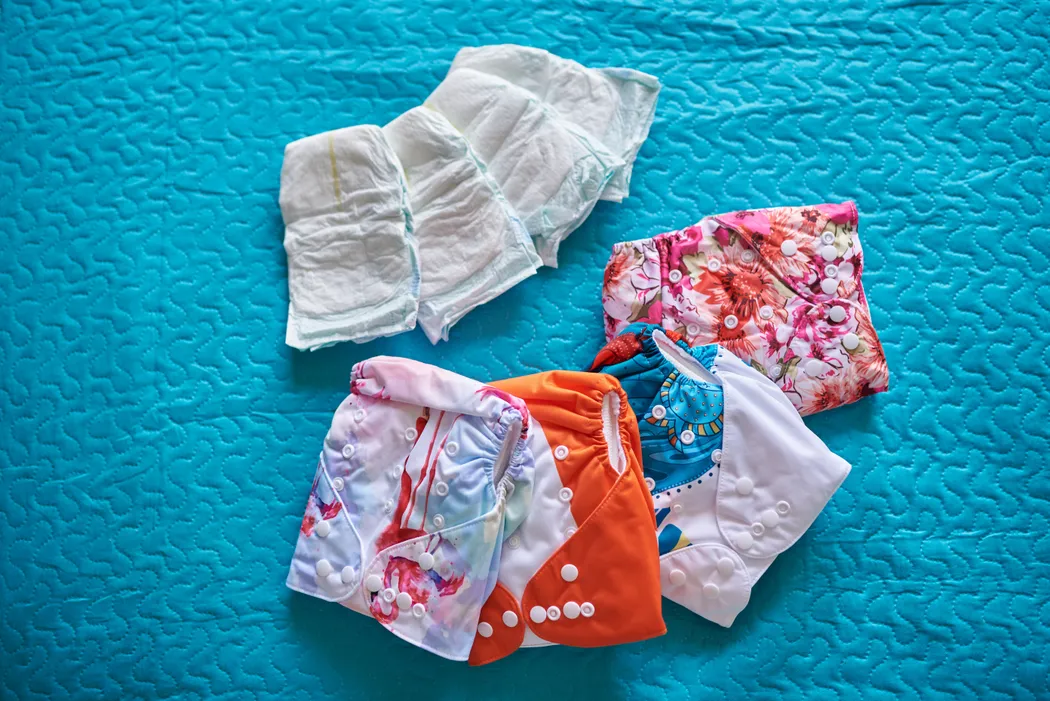
Many families use cloth diapers at home during the day and disposables overnight or when travelling. This hybrid approach gives you the benefits of both without the full demands of either.

Conclusion

There is no single best diaper choice for every baby or family. Cloth and disposable diapers each have different benefits, costs, care requirements, and practical considerations. Choose based on your baby's skin needs, your daily routine, washing and drying facilities, budget, and travel requirements. Regardless of the type, frequent changes and gentle skin care can help keep your baby's diaper area clean, dry, and comfortable.

FAQS

Are cloth diapers cheaper than disposable diapers?

The upfront cost of a cloth diaper set is higher, but reusable diapers can reduce ongoing diaper expenses because they can be washed and reused. The overall cost depends on the number of diapers purchased, washing costs, and how long they are used.

How often should cloth diapers be changed?

Change a cloth diaper every two to three hours during the day, or as soon as it is soiled. Cloth holds less than disposables, so prompt changes are important for comfort and skin health.

Can cloth diapers cause diaper rash?

They can if they are not washed properly or left on too long. A correct washing routine and frequent changes keep cloth diapers safe for sensitive newborn skin.

Are disposable diapers safe for newborn skin?

Generally yes, when changed frequently and used with a gentle barrier cream. Diaper rash commonly relates to prolonged contact with moisture and stool, although some babies may also react to diaper materials or fragrances.

How many cloth diapers does a newborn need per day?

Newborns typically need 10 to 12 diaper changes per day, so a starter stash of around 20 to 24 cloth diapers may be practical for families using cloth diapers regularly, depending on how often they wash and how quickly the diapers dry.

Apollo 247 Floating Action Button