logo
0

Coconut Milk and Coconut Water for Babies: A Complete Guide

Wondering if coconut water or milk is safe for your infant? Learn when and how to safely introduce coconut to your baby's diet with our expert guide.

article image

Dr.Nallapu Siri

As your baby grows, reaching the six-month milestone is an exciting time for many parents. This is the stage when you can finally begin introducing solid foods and exploring new flavours with your little one. During this culinary adventure, you might find yourself looking at tropical ingredients and wondering, is coconut water good for babies?

Generally speaking, is coconut good for babies? Yes, when introduced correctly at the appropriate developmental stage, coconut can be a wonderful, nutrient-dense addition to your child’s diet. However, because an infant’s digestive system is highly sensitive, there are strict guidelines regarding what they can drink and eat during their first year of life.

According to major health organisations like the World Health Organization (WHO) and the Centers for Disease Control and Prevention (CDC), babies should exclusively consume breast milk or infant formula for the first six months. Therefore, if you are wondering, can I give coconut water to my 5-month-old baby, the short answer is no. At five months, your baby’s digestive tract and kidneys are still too immature to process anything other than breast milk or formula.

Once your child reaches six months and starts solids, you can gradually introduce new tastes. In this comprehensive guide, we will explore the safety, benefits, and best practices for giving both coconut water and coconut milk to your baby.

Is Coconut Water Safe for Babies?

Once your baby transitions to solid foods around six months of age, you can begin offering small sips of water. At this stage, you might wonder: can babies drink coconut water instead of or alongside regular water?

If you are asking yourself, "Can I give coconut water to my baby?", the quick answer is yes, but with some very important safety precautions. Pure, unsweetened coconut water is generally safe for infants over six months old, but it must be offered in strictly limited quantities.

Why Does Portion Control Matter?

While can babies have coconut water is a common question, the portion size is crucial. Coconut water is naturally rich in potassium, sodium, and other essential electrolytes. While these minerals are healthy for older children and adults, an excess of electrolytes can strain an infant’s developing kidneys.

When deciding whether coconut water is good for babies, it's important to consider that breast milk or formula must remain their primary source of hydration and nutrition until their first birthday. Think of coconut water as an occasional treat or a fun flavour experience rather than a daily beverage. A few teaspoons or a tiny sip from an open cup is more than enough for a young infant.

Tender Coconut Water Vs. Packaged Coconut Water

If you decide to offer this tropical drink, you might also ask: Can I give tender coconut water to my baby? Yes, fresh tender coconut water is actually the best option!

But is tender coconut water good for babies compared to store-bought versions? Absolutely. Fresh, green tender coconuts contain water that is highly sterile, pure, and free from added sugars or preservatives.

If you must buy packaged options from the store, ensure you read the label carefully. Many commercial brands add extra sugars, artificial flavours, or chemical preservatives to extend shelf life. These additives are not healthy for your baby's developing body. Always choose 100% pure, pasteurised, and unsweetened coconut water.

Can I Give Coconut Water to My 9 Month Baby?

By the time your child reaches nine months, their digestive system is significantly more robust than it was at six months. So, can I give coconut water to my 9-month baby?

Yes, a nine-month-old baby can safely enjoy a few small ounces of coconut water, especially on hot summer days or when recovering from mild dehydration due to an illness. At nine months, babies are active, crawling, and exploring. Offering fresh coconut water good for babies at this age can provide a gentle boost of hydration and essential nutrients like Vitamin C and potassium.

To serve it safely:

  • Offer it in a small sippy cup or open training cup to help them practice their drinking skills.
  • Keep the serving size to around 1 to 2 ounces at a time.
  • Do not serve cold coconut water straight from the fridge; offer it at room temperature to avoid shocking your baby's sensitive stomach.

Can I Give Tender Coconut to My Baby?

Aside from the liquid water, coconuts contain delicious, creamy flesh. If you are preparing a fresh green coconut, you might ask: Can I give tender coconut to my baby?

Yes, the soft, gelatinous meat found inside a green tender coconut is highly nutritious and relatively easy for babies to digest. It is rich in healthy fats, particularly medium-chain triglycerides (MCTs), which support rapid brain development during infancy.
However, you must be extremely cautious with the texture to prevent choking hazards:

  • For babies aged 6 to 8 months: Only offer tender coconut meat that has been pureed into a completely smooth paste. You can blend it with a little breast milk, formula, or warm water.
  • For babies aged 9 to 12 months: You can finely mash or chop the soft, jelly-like tender coconut flesh into tiny, easily manageable pieces.
  • Avoid mature coconut: Never give hard, thick chunks of mature coconut meat to a baby, as these are severe choking hazards and are very difficult for infants to chew or digest.

Is Coconut Milk Good for Babies?

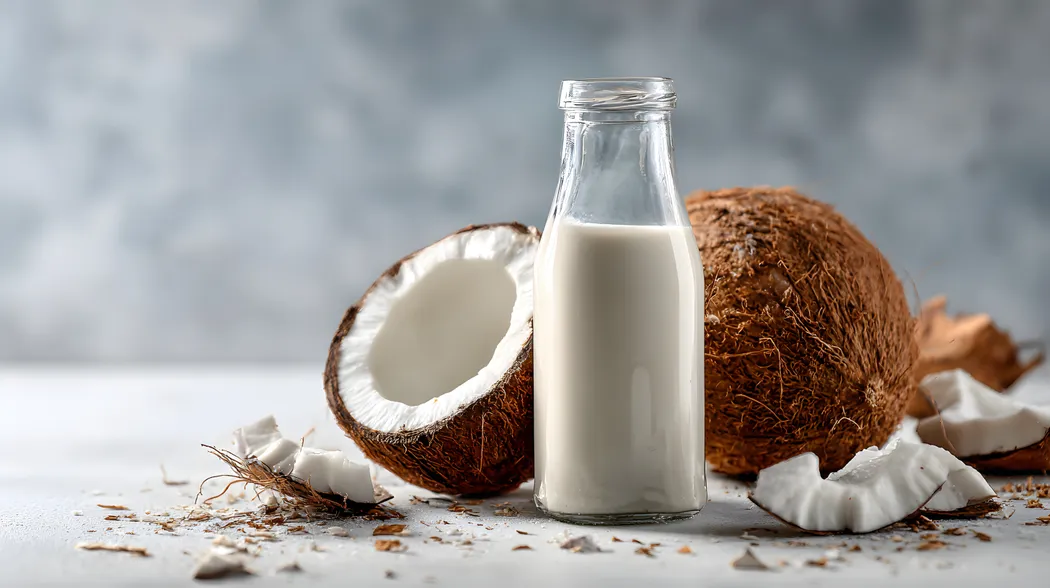
Coconut milk is quite different from coconut water. While coconut water is the clear liquid found inside a green coconut, coconut milk is made by grating mature coconut flesh and squeezing out the liquid.

So, is coconut milk good for babies?

Coconut milk is highly nutritious and packed with healthy fats, vitamins, and minerals. However, much like cow's milk, coconut milk should never be used as a replacement for breast milk or infant formula during the first year of life. This is because coconut milk lacks the essential balance of proteins, carbohydrates, and micronutrients required for a baby’s healthy development.

However, if you are curious about when to introduce coconut milk to a baby, you can safely introduce it as an ingredient in their food starting around six months of age. Using it as a culinary ingredient ensures you keep coconut milk safe for babies while allowing them to enjoy its rich, creamy texture.

Can I Add Coconut Milk to Baby Food?

If your baby is eating solid foods, you might wonder: can I add coconut milk to baby food?

Yes! Adding coconut milk to baby food is an excellent way to introduce healthy fats and a velvety texture to their meals. Healthy fats are vital for your baby’s neurological development and overall growth.

Here are a few easy ways to incorporate coconut milk into your baby's diet:

  • Use it to thin out thick vegetable purees, such as sweet potato, butternut squash, or carrot.
  • Cook baby oatmeal or rice cereal in a mixture of water and coconut milk.
  • Stir a tablespoon of unsweetened canned coconut milk into mashed bananas or avocados.

If your baby is slightly older, a common milestone question is: Can I give coconut milk to my 8-month-old baby? Yes, an eight-month-old can happily consume baby meals prepared with a splash of rich, unsweetened coconut milk. Just make sure to monitor them for any signs of an allergic reaction.

Health Benefits of Coconut for Babies

When offered in moderation, both coconut water and coconut milk provide outstanding health benefits for growing infants:

  • Excellent Hydration: Coconut water is an organic source of hydration, making it an excellent natural alternative to commercial pediatric electrolyte drinks during hot weather.
  • Supports Brain Development: Coconut milk contains high levels of lauric acid, a healthy fatty acid also naturally found in human breast milk. Lauric acid supports cognitive growth and helps build a strong immune system.
  • Gentle on the Stomach: Fresh tender coconut is highly digestible and can help soothe a baby's digestive tract, sometimes relieving mild constipation.
  • Antimicrobial Properties: Lauric acid converts into a compound called monolaurin in the body, which helps fight off harmful viruses and bacteria.

Important Safety Tips and Allergy Information

While seeking answers to whether coconut water is good for babies, always remember that safety comes first. Keep the following guidelines in mind:

  • Watch for Allergies: Although coconut allergies are relatively rare, the U.S. Food and Drug Administration (FDA) classifies coconut as a tree nut. Introduce coconut by itself first and wait 3 to 5 days before introducing another new food. Watch closely for signs of an allergic reaction, such as hives, vomiting, swelling, or difficulty breathing.
  • Avoid Added Sugar: Always choose unsweetened, natural coconut products. Young babies do not need any added refined sugars in their diet.
  • Never Replace Breast Milk or Formula: No matter how much your baby loves the taste, coconut milk and coconut water should only ever be complementary additions to their diet, not dietary staples.

Conclusion

Coconut milk and coconut water can be introduced as part of a baby’s complementary diet when offered at an appropriate age and in suitable amounts. Coconut milk can add flavour and energy to meals, while coconut water provides fluids and some nutrients, but neither should replace breast milk or infant formula during the first year. Choose fresh, hygienically prepared products and avoid versions with added sugar or unnecessary additives. As with any new food or drink, introduce them gradually and serve them in an age-appropriate form. Offering coconut products alongside a varied diet can help provide different flavours and textures while supporting healthy eating habits.

FAQS

Is coconut water good for babies under 6 months old?

No, it is not recommended. According to pediatric health guidelines, infants under 6 months of age should exclusively consume breast milk or infant formula. Their kidneys and digestive systems are not ready to process the high mineral content of coconut water yet.

Can coconut milk replace formula or breast milk?

Absolutely not. Coconut milk does not contain the necessary proteins, vitamins, and minerals required to sustain an infant's growth. Replacing breast milk or formula with coconut milk can lead to severe nutritional deficiencies and health complications.

What is the difference between coconut water and coconut milk?

Coconut water is the clear, fat-free liquid found inside young green coconuts. It is highly hydrating and rich in electrolytes. Coconut milk is a thick, creamy liquid made from blending and straining mature coconut flesh. It is high in healthy fats and calories.

Can I cook my baby's food with canned coconut milk?

Yes. You can use unsweetened canned coconut milk to cook oatmeal, stews, or to thin out vegetable purees for babies aged six months and older.

How do I know if my baby is allergic to coconut?

Signs of an allergic reaction usually appear shortly after consumption. Look out for skin rashes, hives, swelling of the lips or face, vomiting, diarrhoea, or wheezing. If you notice any of these symptoms, consult your paediatrician immediately.

Apollo 247 Floating Action Button