logo
0

Diaper Rash Cream: Causes, Prevention and Treatment

Learn about diaper rash causes, prevention, diaper rash creams, safe application, treatment, and when to seek medical advice.

article image

Dr.Rohini priyanaka

Diaper rash is one of the most common worries for new parents, and choosing the right diaper rash cream can make a real difference in how quickly your baby recovers and stays comfortable. Diaper rash is common during infancy, so understanding what causes it and how to treat it safely is genuinely useful knowledge for every caregiver.

What Is Diaper Rash?

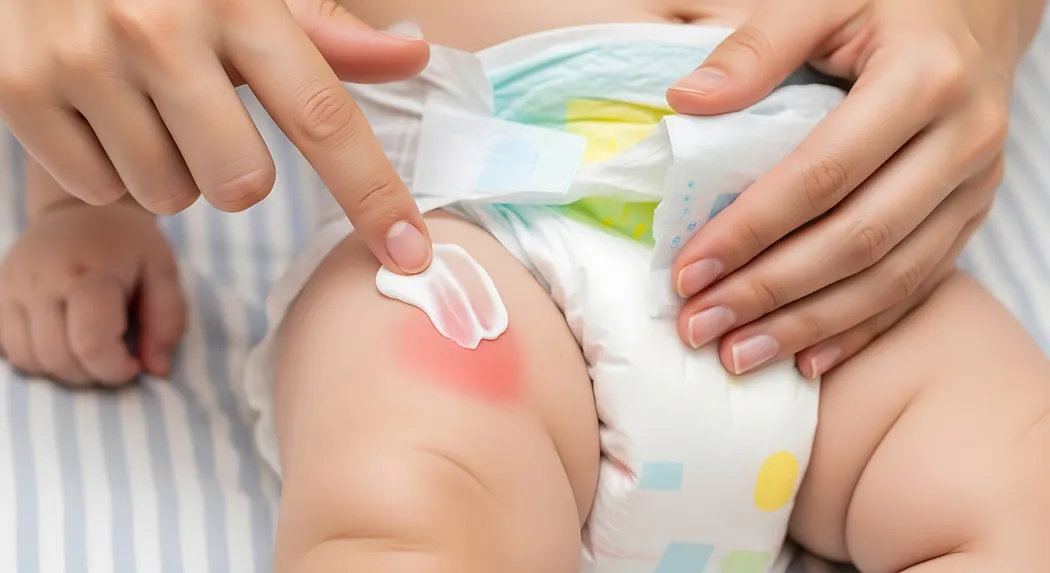
Diaper rash is an irritation of the skin in the diaper area, covering the bottom, thighs, and genitals. It appears as red, inflamed patches that may look raw, slightly swollen, or have small bumps. In more severe cases, the skin can peel or develop blisters.

It is most common in babies between 4 and 15 months old, though it can occur at any age while a child wears diapers. Diaper rash in newborns is also possible, especially in the first few weeks when skin is particularly sensitive, and stool frequency is high.

Common Causes of Diaper Rash

Understanding diaper rash causes helps you target the right treatment and reduce how often it comes back.

  • Wetness: When urine or stool stays against the skin for too long, it breaks down the skin's protective barrier.
  • Friction: Rubbing against delicate skin creates irritation, particularly around the thighs and waist.
  • Yeast Infection: A rash caused by Candida tends to be bright red with distinct borders and small satellite spots or pustules at the edges.
  • New Foods: Changes during weaning can affect stool composition and frequency, making babies more prone to rashes during this phase.
  • Antibiotics: Use in the baby or exposure through breast milk can disrupt the balance of gut and skin bacteria, increasing the risk of yeast overgrowth.
  • Sensitive Skin: Reactions to fragrances, alcohol, or preservatives in wipes, soaps, or a new diaper brand can also trigger flare-ups.

How to Prevent Diaper Rash

Prevention is far easier than treatment. These practical habits significantly reduce your baby's risk.

  • Frequent Changes: Change diapers frequently, ideally every two to three hours and immediately after every bowel movement.
  • Gentle Cleaning: Clean the skin gently with fragrance-free, alcohol-free wipes or warm water and a soft cloth. Wipe front to back to avoid spreading bacteria.
  • Air-Drying: Allow the skin to air-dry completely before putting on a clean diaper. Even 30 seconds of air time helps.
  • Barrier Cream: Apply a barrier cream at every change as a preventive layer, not only when a rash appears.
  • Proper Fit: Choose diapers that fit well. A diaper that is too tight traps moisture and causes more friction; one that is too loose leaks and prolongs skin contact with waste.
  • Airflow: Avoid plastic pants or tight-fitting covers that restrict airflow over the diaper area.
  • Nappy-Free Time: During a rash, give your baby some nappy-free time on a waterproof mat each day.

Good hygiene practices extend well beyond the diaper area. For broader guidance on newborn skin and hygiene care basics, our newborn care guide is a helpful starting point in the early weeks.

Types of Diaper Rash Creams and Ingredients

Knowing what is in a diaper rash cream helps you choose one that matches your baby's needs.

  • Zinc Oxide: Zinc oxide is the most widely recommended ingredient. It forms a physical barrier on the skin that helps protect against moisture and irritants, while supporting the skin barrier. Zinc oxide diaper rash creams are available in different concentrations, including 10%, 20%, and 40% formulations. Higher concentrations can provide a thicker barrier and may be useful when more protection from moisture is needed.
  • Petroleum Jelly (Petrolatum): Petroleum jelly is a simple, well-tolerated option. It does not treat infection but locks in moisture and protects irritated skin from further contact with urine and stool. It suits very mild redness well.
  • Panthenol (Provitamin B5): Panthenol supports skin repair and hydration. It appears in several gentle baby creams and helps soothe mild irritation while the skin heals.
  • Antifungal Agents: Antifungal agents such as clotrimazole are relevant when a yeast infection is confirmed or strongly suspected. These are not present in standard barrier creams and usually require a prescription or pharmacist recommendation. Do not self-prescribe antifungal creams without confirming the diagnosis with a doctor.
  • B4 Nappi Cream: B4 Nappi cream is a product formulated specifically for the diaper area, combining barrier and soothing ingredients. Always check the ingredient list against your baby's known sensitivities before use.

How to Apply Diaper Rash Cream Correctly

Correct application matters as much as the product itself.

  • Remove the soiled diaper and dispose of it safely.
  • Clean the diaper area thoroughly with a fragrance-free wipe or damp cloth. Pat, do not rub, the skin dry.
  • Allow the skin to air-dry for 30 to 60 seconds.
  • Apply a thick, even layer of diaper rash cream across the entire rash and the surrounding skin. Thick means visible and opaque, not a thin smear.
  • Fasten the clean diaper snugly but not tightly.
  • Reapply at every diaper change until the rash resolves. You do not need to scrub off the previous layer each time; simply clean the surface gently and add a fresh layer on top.

Consistent application at every change, rather than only when the rash looks bad, can help protect the skin during diaper rash treatment at home.

When to See a Doctor

Many mild diaper rashes improve with good home care, but seek medical advice if the rash does not improve within a few days. See a doctor promptly if you notice any of the following:

  • The rash is not improving after two to three days of consistent treatment.
  • Blisters, open sores, bleeding, or pus appear anywhere in the diaper area.
  • The rash spreads beyond the diaper area to the abdomen or legs.
  • Your baby has a fever alongside the rash.
  • The rash has a bright red centre with sharply defined edges and small satellite spots, which may point to a yeast infection needing specific treatment.

For any skin break or open sore, reviewing general wound care for minor skin irritation can also guide you while you arrange a doctor's appointment.

Contraindications and Precautions

Diaper rash creams are generally safe, but there are situations where extra caution is needed.

  • Allergies: Babies with a known allergy to any ingredient in the product, including fragrances, lanolin, or specific preservatives, should not use that formulation. Always read the label before the first use.
  • Broken Skin: Zinc oxide cream should not be applied to actively bleeding or deeply broken skin without medical advice.
  • Antifungal Use: Antifungal creams are not appropriate for standard irritant rashes and should only be used when a healthcare provider has confirmed a fungal cause.
  • Eczema or Atopic Dermatitis: If your baby has a history of eczema or atopic dermatitis, check with your paediatrician before introducing any new topical product.
  • Talcum Powder: Talcum powder should be avoided in the diaper area because it can be inhaled by babies and may pose respiratory risks.
  • New Reactions: If you notice any new reaction after applying a cream, such as increased redness, swelling, or hives, discontinue use immediately and consult a doctor.

Conclusion

Diaper rash can often be managed with gentle cleaning, frequent diaper changes, and a suitable barrier cream. Choose products based on your baby's skin needs and follow the product instructions carefully. If the rash does not improve, becomes worse, or shows signs of infection or broken skin, consult a paediatrician for appropriate treatment.

FAQS

Is diaper rash cream safe for newborns?

Yes, zinc oxide-based barrier creams and plain petroleum jelly are generally considered safe for newborn skin. Choose a fragrance-free formulation and follow the product instructions when applying it to your baby's skin.

Can diaper rash cream be used at every diaper change?

It can, and for babies prone to rashes, this is actually a good preventive habit. A barrier cream used consistently at every change helps protect the skin before irritation develops.

What is the fastest way to heal diaper rash?

Keep the area clean and dry, apply a thick layer of zinc oxide cream at every change, and give the baby as much nappy-free time as possible. Mild rashes may improve over the next few days with this approach, but persistent or worsening symptoms should be assessed by a healthcare professional.

Can a breastfeeding mother's diet cause diaper rash?

Certain foods in a mother's diet can change the composition of breast milk and, in turn, affect a baby's stool. If you notice a rash flaring after you eat specific foods, speak to your doctor or a lactation consultant to identify a possible link.

Is coconut oil good for diaper rash?

Coconut oil has mild moisturising properties and is tolerated by many babies, but it does not form the same physical barrier as zinc oxide cream. It may ease very mild dryness but is not a substitute for a clinically formulated diaper rash cream when a proper rash is present.

Apollo 247 Floating Action Button