logo
0

Corn Flour for Babies: Safe Preparation and Benefits

Wondering if corn flour is safe for your baby? Discover the benefits, safe preparation methods, age guidance, and easy corn flour baby food recipes.
 

article image

Dr. Vasantha Sree

Starting your baby on solid foods is an exciting milestone in your parenting journey. According to guidelines from the World Health Organization (WHO) and the Centers for Disease Control and Prevention (CDC), infants should begin eating complementary solid baby food around six months of age. At this stage, their nutritional needs increase, and they are developmentally ready to explore new textures.

As you research the best first foods for your little one, you will find a wide variety of grains on the market. While rice, oats, and barley are highly popular, corn is another widely used grain that often comes up in family recipes. When it comes to starting solids, corn flour baby food can be an affordable and versatile option for many families.

But before you introduce this versatile grain to your baby's high chair, you likely have a few questions. How do you prepare it safely? What are the health benefits? In this comprehensive guide, we will break down everything you need to know about preparing corn flour for your baby.
 

Understanding Corn Flour: A Vital Distinction

Before we look at the nutritional profile of corn, it is crucial to clarify what "corn flour" actually means. Depending on where you live, this term can refer to different ingredients:

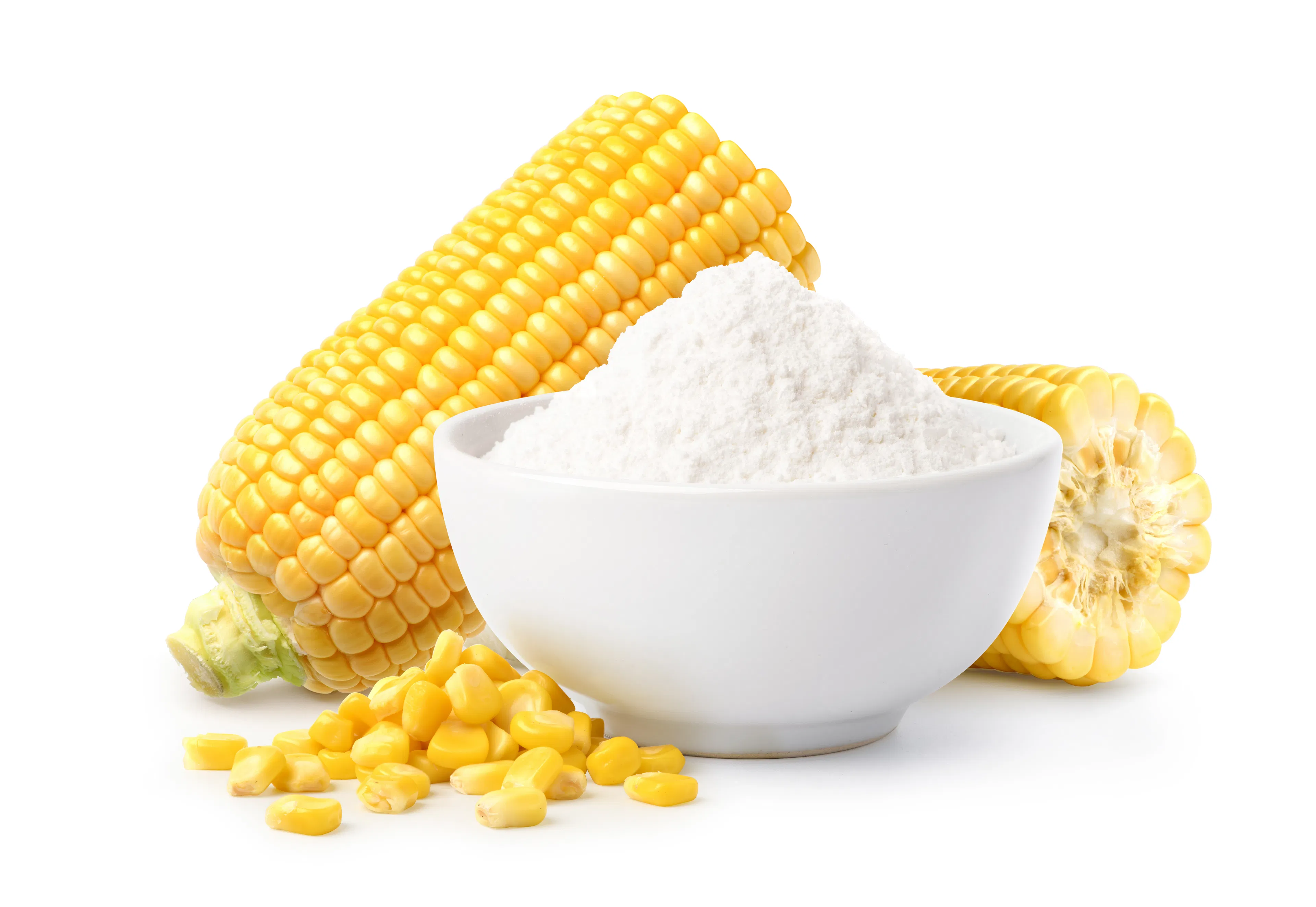
  • Whole-Grain Corn Flour: This is made by grinding whole, dried corn kernels into a very fine powder. It contains the germ, endosperm, and bran of the corn, meaning it retains more fibre, vitamins, and minerals than refined corn starch.
  • Cornstarch: In the UK, Australia, and India, "cornflour" commonly refers to cornstarch. This is a fine white powder made primarily from the starchy endosperm of the corn kernel and is mainly used as a thickening agent for soups, gravies, and sauces.

When planning to make corn flour baby food, you should ideally look for whole-grain corn flour or finely ground cornmeal-based flour rather than cornstarch. Cornstarch is primarily a source of carbohydrate and does not provide the broader range of nutrients found in whole-grain corn flour.
Throughout this article, we will focus on the health benefits and preparation of cooked, whole-grain corn flour.
 

Is Corn Flour Safe for Babies?

First and foremost: is corn flour safe for babies?

Yes, cooked whole-grain corn flour can be offered to babies when they are developmentally ready for complementary foods, generally around six months of age. Before introducing solids, babies should show signs of readiness such as good head and neck control and the ability to sit with support.
However, keeping your baby safe involves adhering to a few essential food preparation guidelines:

1. Never Feed Raw Flour to Your Baby


Raw flour of any kind, including corn flour, should not be eaten without cooking. Raw flour can contain harmful bacteria, such as E. coli, and cooking it thoroughly helps make it safer to eat.
Always cook corn flour thoroughly by boiling or simmering it in water. If you want to add breast milk or prepared infant formula, add it after cooking and cooling the porridge rather than cooking the milk directly over heat.
 

2. Ensure a Smooth, Lump-Free Texture


When you first introduce solids, your baby is still learning how to manage different textures. Uncooked or poorly mixed corn flour can form lumps that may be difficult for a young baby to swallow.
Always whisk the flour into cold liquid before heating it to help prevent lumps. Cook it thoroughly and adjust the final consistency according to your baby's developmental stage.

3. Check for Food Additives

When buying commercial corn flour, check the ingredient list. Choose products without added sugars or unnecessary additives. Avoid adding salt or sugar to your baby's meals.
Ultimately, the answer to whether corn flour is safe for babies is yes, provided that it is fully cooked, served at an age-appropriate texture, and used as part of a varied complementary diet.
 

Is Corn Flour Good for Babies? Nutritional Value

Now that we have established safety, let us address the nutritional side: is corn flour good for babies?
Yes, whole-grain corn flour can be an excellent addition to a balanced, diverse diet. While it should not be the only food your baby eats, it offers several nutritional advantages when paired with fruits, vegetables, and protein-rich foods.
To determine if corn flour is good for babies, we must look at its specific nutritional components:

  • Rich Source of Energy: Corn flour contains carbohydrates, which provide energy needed for growth and daily activity.
  • Gluten-Free: Corn is naturally gluten-free, making whole-grain corn flour an option for families who need or prefer gluten-free grains. However, gluten-free foods are not automatically more nutritious, and babies still need a varied diet.
  • B Vitamins: Whole-grain corn contains B vitamins, including thiamine, folate, and niacin, which support normal energy metabolism and other bodily functions.
  • Dietary Fibre: Whole-grain corn flour contains fibre, which can support healthy digestion as part of a varied diet.
  • Carotenoids: Yellow corn contains carotenoids such as lutein and zeaxanthin, which are antioxidants and contribute to overall nutritional intake.

While corn flour is nutritionally beneficial, it is relatively low in iron and protein compared with foods such as meat, pulses, eggs, or iron-fortified infant cereals. Babies need iron-rich complementary foods from around six months, so supplement your child's diet with appropriate iron-rich foods alongside corn dishes.
 

How to Prepare Corn Flour Baby Food Safely


Making homemade corn flour baby food is simple and gives you control over the ingredients. By preparing it at home, you can avoid unnecessary added salt and sugar and adjust the texture according to your baby's developmental stage.

Here is a simple, step-by-step recipe to help you get started.

Basic Corn Flour Porridge (For 6 Months+)

This warm porridge makes a simple base. You can serve it plain or mix in nutrient-dense purées that your baby has already tried.

Ingredients

2 tablespoons of organic, whole-grain yellow corn flour
1 cup of filtered water or unsalted vegetable broth
2–3 tablespoons of breast milk, prepared infant formula, or water to adjust the consistency at the end
Step-by-Step Instructions

  • Whisk Cold: In a small saucepan, whisk the corn flour into the cold water or broth before turning on the heat. Whisking it into cold liquid helps prevent lumps.
  • Cook on Low Heat: Place the saucepan on the stove over medium-low heat. Bring the mixture to a gentle boil, stirring constantly with a whisk or silicone spatula.
  • Simmer and Thicken: Once it bubbles, reduce the heat to low. Let it simmer for 8 to 10 minutes, stirring frequently. Make sure the flour is thoroughly cooked; it should lose its gritty texture and become smooth.
  • Cool and Thin: Remove the pan from the heat and let the porridge cool to a safe temperature. Stir in breast milk or prepared infant formula immediately before serving if you want to adjust the consistency. Do not cook breast milk or prepared formula directly on the stove.
  • Serve: Check that the food is an appropriate temperature before feeding your baby.

Nutritious Variations for Your Baby

Once your baby has successfully tried basic corn porridge, this corn flour baby food recipe can be customised to boost its nutritional value:

  • The Iron Booster: Stir in a tablespoon of puréed beef, chicken, or well-cooked lentils that your baby has already tried.
  • The Sweet Twist: Mix in a tablespoon of unsweetened apple purée, mashed banana, or pear purée.
  • The Healthy Fat Booster: Add a teaspoon of extra-virgin olive oil or avocado purée to increase the energy and healthy fat content of the meal.
     

Potential Risks and Things to Watch Out For

While introducing corn flour baby food is generally safe and simple, there are a few practical health guidelines to keep in mind:

1. Watch for Allergic Reactions

Corn allergy is uncommon but can occur. When introducing a new food, offering it on its own can make it easier to identify a possible reaction.
Watch your baby closely for signs of an allergic reaction, which can include:
 

  • Hives or red skin rashes
  • Swelling of the lips, tongue, or face
  • Vomiting or diarrhoea
  • Coughing, wheezing, or difficulty breathing

If you notice signs of a possible allergic reaction, stop feeding the suspected food and contact your paediatrician. If your baby experiences difficulty breathing or significant swelling, seek emergency medical care.

2. Avoid Overreliance on One Grain

Many parents choose corn as one alternative to rice-based infant cereals. However, it is better to offer a variety of grains as part of a balanced diet rather than relying heavily on any single grain.
You can offer an appropriate variety of grains, such as oats, barley, quinoa, and corn, according to your baby's developmental stage and dietary needs.
 

Conclusion

Feeding your child cooked whole-grain corn flour is a simple way to introduce new tastes and textures into their complementary diet. It provides carbohydrates, dietary fibre, B vitamins, and carotenoids, while its naturally gluten-free composition makes it one option among the grains that can be offered to babies.
By ensuring it is thoroughly cooked, served at a smooth and age-appropriate consistency, and paired with iron-rich and protein-rich foods, you can make corn a nutritious part of your baby's diet. Always consult your paediatrician if you have specific questions about your baby's dietary needs.
 

Faqs

Can I use cornstarch instead of whole-grain corn flour for my baby?

Cornstarch can be safe to consume in small amounts when used as a thickening agent, but it is not a suitable substitute for a nutrient-dense meal. Cornstarch contains considerably less protein, fibre, vitamins, and minerals than whole-grain corn flour. For baby meals, whole-grain corn flour or an appropriate fortified infant cereal is a more nutritious option.

Does corn flour cause constipation in babies?

Whole-grain corn flour contains dietary fibre, which can support regular bowel movements. However, digestive responses vary between babies. If your baby develops constipation, offer a varied diet appropriate for their age and continue breast milk or formula as recommended. Babies over six months can also be offered small amounts of water with meals.

Can I sweeten my baby’s corn porridge with honey?

No. Never give honey to a baby under 12 months of age. Honey can contain spores of Clostridium botulinum, which can cause infant botulism, a rare but serious illness. If you want to add natural sweetness, use an appropriate fruit purée such as mashed banana or pear.

How long can I store cooked corn flour baby food?

Prepared baby food should be cooled promptly and stored safely in the refrigerator. For homemade baby food, follow food-safety guidance and use refrigerated leftovers within 1–2 days. Any food that has already been fed from should be discarded rather than returned to the refrigerator, as bacteria from your baby's mouth can contaminate the food.

Can corn flour replace breast milk or formula?

No. Corn flour baby food is a complementary food. During the first year of life, breast milk or infant formula remains an important source of nutrition, while solid foods complement milk feeds. Corn flour should not be used as a replacement for breast milk or infant formula.

Apollo 247 Floating Action Button