logo
0

Cornflakes for Babies: Is Cornflakes Good for Babies?

Can babies eat cornflakes? Discover if cornflakes are safe for infants, nutritional facts, risks and healthy breakfast alternatives for your little one.

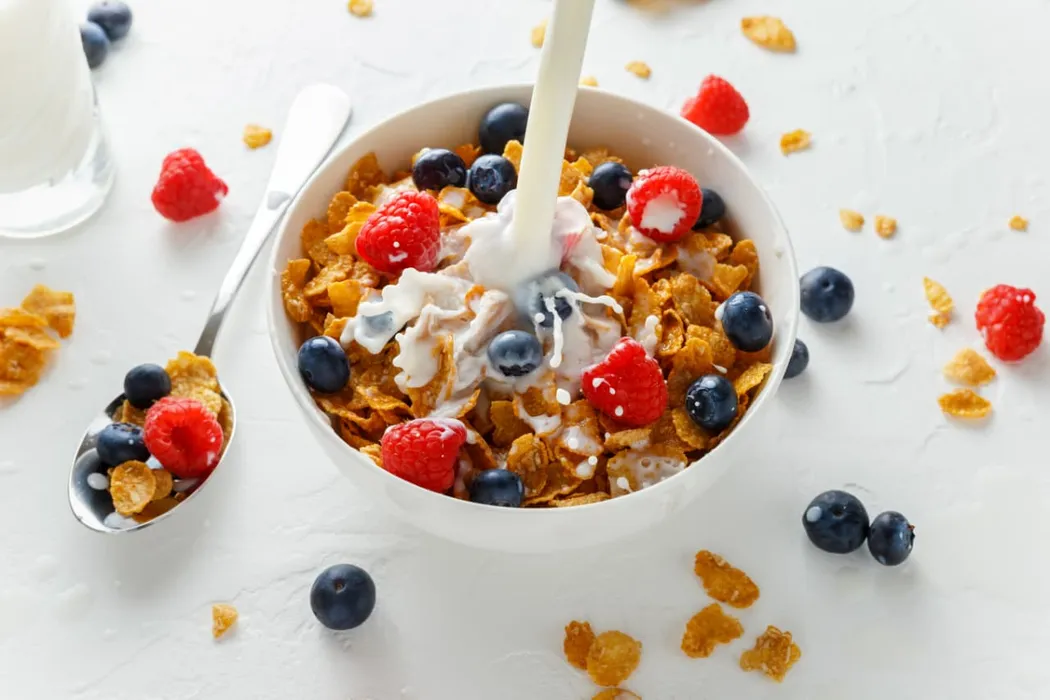
article image

Dr.J.T.Hema Prathima

Introducing your little one to the world of solid foods is an exciting milestone. As a parent, you want to offer your baby foods that are easy to eat, delicious and packed with nutrients. Naturally, many parents look at their own breakfast tables for inspiration. Cornflakes are a quick, convenient and popular breakfast cereal worldwide, but are cornflakes good for babies?

While cornflakes may seem like a simple and harmless food, an infant’s digestive system has very specific needs. In this article, we will explore whether cornflakes are safe for babies, look at their nutritional profile, discuss potential risks and share some healthier breakfast alternatives for your growing child.

What Age Can Babies Eat Corn Flakes?

According to the World Health Organization (WHO) and the Centers for Disease Control and Prevention (CDC), babies should be exclusively breastfed or formula-fed for the first six months of life. Around six months, you can start introducing solid foods.

But what age can babies eat cornflakes safely?

  • 0 to 6 months: No solids of any kind, including cereals.
  • 6 to 12 months: While infants can eat soft solids, cornflakes are not recommended during this first year.
  • 12 to 24 months: Toddlers can occasionally eat cornflakes if they are thoroughly softened in milk, but they should still not be a daily dietary staple.
  • 2 years and older: Children can eat cornflakes more comfortably, but portion control and nutritional quality remain highly important.

When considering what age babies can eat cornflakes, paediatricians generally advise waiting until your baby is at least one year old, or preferably two, before introducing processed breakfast cereals.

Nutritional Analysis: Is Cornflakes Good for Babies?

To understand why doctors advise caution, we must look at the nutritional content of this popular breakfast food. Many parents ask, "Can I give cornflakes to my baby because they are enriched with vitamins?"

While it is true that many commercial cornflakes are fortified with iron and B vitamins, the overall nutritional profile is not ideal for an infant. To answer is corn flakes good for babies, let's examine the main components:

1. High Sodium (Salt) Content

An infant’s kidneys are still developing and cannot process high amounts of sodium. The CDC recommends keeping salt intake for babies under one year to an absolute minimum (less than 1 gram of salt per day). Just one standard serving of commercial cornflakes can contain a significant portion of a baby’s daily recommended sodium limit.

2. Added Sugars and Malt Flavourings

Most commercially available cornflakes contain added sugars, corn syrup or malt extract to improve taste. The American Academy of Pediatrics (AAP) and the dietary guidelines from the USDA recommend zero added sugars for children under the age of two. Feeding sweetened foods to infants can also cause a preference for sweet tastes, leading to picky eating habits later in life.

3. Low Fibre Content

Although cornflakes are made from corn, the heavy processing removes the bran and germ, leaving behind mostly refined carbohydrates. This means they are very low in dietary fibre. Babies need dietary fibre from whole foods to promote healthy digestion and prevent constipation.

Why Commercial Corn Flakes Baby Food is Not Recommended

In your search for easy feeding options, you might see terms like conflex food for baby or conflex baby food on online forums or parenting blogs. Sometimes spelt informally as "conflex", these search terms highlight how common it is for parents to seek out this quick meal.

However, using processed cereals like conflex baby food is not recommended by paediatric nutritionists. Here is why choosing natural grains over processed cornflakes baby food is much safer for your child:

  • Choking Hazard: Dry cornflakes are thin, sharp and crispy. If a baby tries to swallow them dry, they can easily stick to the throat or get inhaled into the airway, causing choking. Even when lightly soaked in milk, they do not dissolve as smoothly as specifically designed infant cereals.
  • Lack of Healthy Fats: Infants require healthy fats for rapid brain development. Cornflakes contain virtually zero fat, meaning they offer empty calories without the crucial lipids your baby's growing brain needs.
  • Poor Satiety: Because cornflakes consist of highly refined carbohydrates, they are digested very quickly. This causes a rapid spike and subsequent drop in blood sugar, leaving your baby feeling hungry again shortly after eating.

If you are searching for a safe complex food for your baby, it is highly recommended to redirect your focus towards whole, unprocessed grains like oats or barley.

Can I Give Cornflakes to My 2-Year-Old Baby?

As your baby transitions into toddlerhood, their digestive systems and chewing abilities mature significantly. So, can I give cornflakes to my 2-year-old baby?

Yes, you can. By age two, toddlers have developed the back molars necessary to chew foods thoroughly, and their kidneys are mature enough to handle small amounts of dietary sodium. However, if you decide to introduce cornflakes to your two-year-old, keep the following safety and health tips in mind:

  • Soak Them in Milk: Always serve cornflakes thoroughly soaked in whole milk or a fortified unsweetened plant milk to soften the texture and prevent scratches to their sensitive throat.
  • Choose Low-Sodium, No-Added-Sugar Brands: Look for organic or natural brands that do not add sugar, high-fructose corn syrup or excessive salt to their ingredients.
  • Add Fresh Fruit: Boost the nutritional value of the meal by mixing in mashed bananas, pureed strawberries or finely chopped soft fruits. This adds natural sweetness, fibre and essential vitamins.
  • Limit Portion Sizes: Treat cornflakes as an occasional convenience food rather than a daily breakfast staple.

So, if you are asking, "can I give cornflakes to my 2-year-old baby", the answer is yes, but only as part of a balanced, whole-food diet and with careful attention to ingredient labels.

Healthy Breakfast Alternatives for Your Baby

If cornflakes are good for babies yields a "no" for the first year of life, what should you feed your baby instead? Fortunately, there are many nutrient-dense, easy-to-prepare breakfast foods that are perfect for infants starting solids:

1. Fortified Infant Oatmeal

Unlike processed adult cereals, infant oatmeal is specifically formulated for delicate digestive systems. It is finely ground to prevent choking, rich in dietary fibre and heavily fortified with iron, which is the most critical nutrient for babies starting at six months.

2. Mashed Bananas and Avocados

For a quick breakfast that requires no cooking, mash half an avocado with a ripe banana. Avocados provide healthy monounsaturated fats essential for brain development, while bananas offer potassium and natural sweetness without any added sugars.

3. Ragi (Finger Millet) Porridge

Widely recommended by paediatricians in various cultures, ragi is an excellent whole grain for babies. It is naturally gluten-free, exceptionally high in calcium and iron, and easy to digest when cooked into a smooth porridge with water or breast milk.

4. Pureed or Scrambled Eggs

After introducing allergenic foods safely, well-cooked scrambled eggs or pureed hard-boiled eggs make an outstanding breakfast. Eggs are a powerhouse of choline, high-quality protein and healthy fats.

Summary: Is Cornflakes Good for Babies?

Food ChoiceRecommended AgeProsCons
Infant Oatmeal6+ monthsHigh iron, high fibre, safe textureNeeds preparation
Mashed Fruits & Fats6+ monthsHealthy fats, vitamins, naturally sweet
 
Can be messy
Cornflakes (Processed)12–24+ monthsFast, convenient, cheapHigh sodium, added sugar, choking risk

While you might still wonder if cornflakes are good for babies due to how convenient they are, the clear medical consensus is to avoid them during infancy. Keep your baby’s meals as close to nature as possible, focusing on whole grains, fresh fruits, vegetables and healthy proteins.

FAQS

Can I give corn flakes to my baby at 6 months?

No, you should not give corn flakes to a 6-month-old baby. At this stage, your baby is just learning to swallow solids. Dry cornflakes are a major choking hazard, and even when soaked, they contain too much sodium and sugar for a 6-month-old's developing kidneys and digestive tract.

Are cornflakes high in sodium for infants?

Yes. Commercial cornflakes are surprisingly high in sodium because salt is used to enhance flavour and preserve shelf life. Because infants under one year old require very little sodium, feeding them cornflakes can easily overload their immature kidneys.

What is the difference between infant corn cereal and adult cornflakes?

Infant corn cereal is finely milled, pre-cooked for easy digestion and fortified with essential nutrients like iron and zinc without added sugars or excess sodium. Adult cornflakes are highly processed, flat, sharp and contain added salt and sugars.

How can I safely serve cornflakes to a toddler?

If your child is over 12 to 18 months old, you can serve cornflakes by soaking them in whole milk until they are completely soft and mushy. Avoid serving them dry, and choose brands with no added sugars and low sodium.

Why is iron so important in a baby's breakfast?

Around six months of age, a baby’s natural iron stores accumulated during pregnancy begin to deplete. Because iron is critical for brain development and oxygen transport, a baby's first solid foods should be naturally rich in iron or fortified with it, which is why fortified infant cereals are highly recommended over adult cereals.

Apollo 247 Floating Action Button