logo
0

Custard Apple for Babies: Is It Safe and Healthy?

Wondering if custard apple is good for babies? Learn when to safely introduce sitaphal, its nutritional benefits, potential risks, and easy recipes.

article image

Dr.Rohini priyanaka

Introducing solid foods to your infant is an exciting milestone, but it often comes with a flurry of questions. As you look beyond basic baby cereals, fruits are naturally one of the first options you might consider. With its sweet taste and incredibly creamy texture, custard apple (also known as sitaphal in many parts of the world) is a tropical favorite. But is custard apple good for babies?

As your little one starts their culinary journey into solid foods around six months of age, choosing the right fruits is essential for their developing digestive systems. This comprehensive guide covers everything you need to know about feeding custard apples to your infant safely, including its outstanding health benefits, preparation tips, and vital safety precautions.

What is Custard Apple (Sitaphal)?

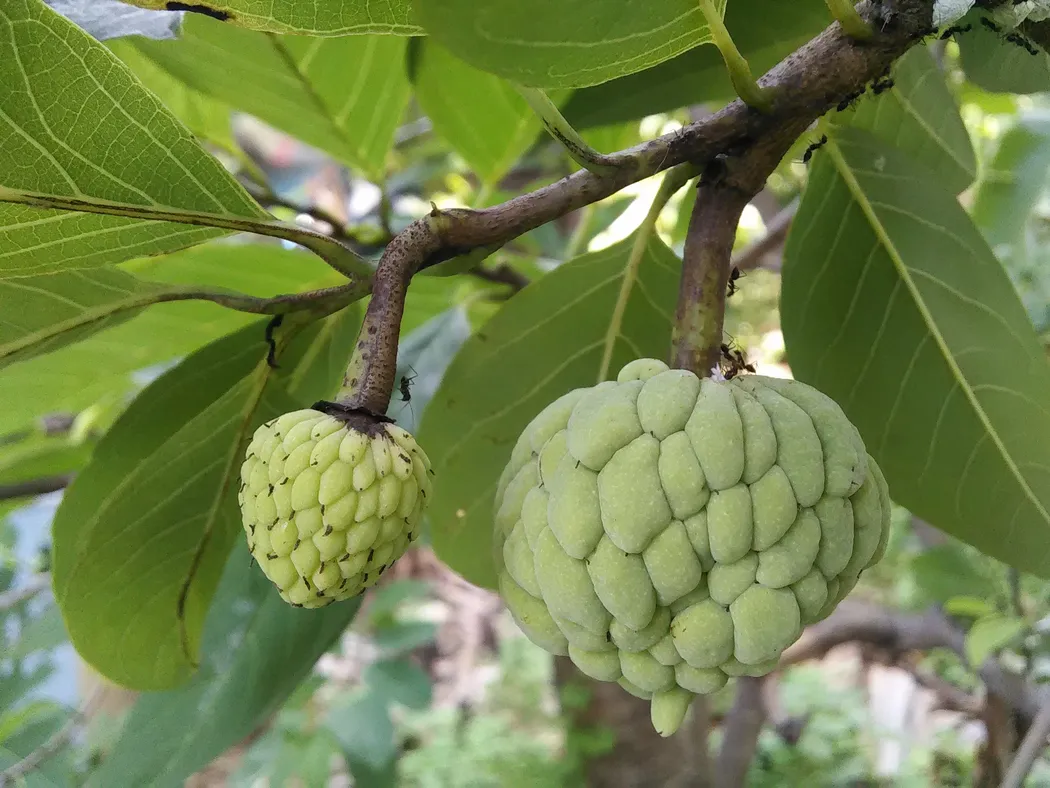
Custard apple (Annona squamosa) is a tropical fruit known for its green, bumpy, pinecone-like exterior and its sweet, custard-like white flesh on the inside. Because of its sweet, pleasant taste, it is highly appealing to infants who have a natural preference for sweet flavors.

To understand why custard apples are good for babies, we need to look closely at its rich nutritional composition. This fruit is packed with essential vitamins, minerals, dietary fibre, and healthy carbohydrates that support rapid infant growth.

  • Vitamin C: Supports immunity and helps the body absorb iron from plant-based foods.
  • Potassium: Supports healthy muscle function and fluid balance.
  • Dietary fibre: Supports healthy digestion and may help prevent constipation.
  • Magnesium & Calcium: Help support healthy bone and teeth development.
  • Vitamin B6: Supports brain development and a healthy nervous system.

Is Custard Apple Good for Babies? The Top Health Benefits

When introduced at the right time and prepared correctly, custard apple offers a wealth of health benefits. paediatricians and nutritional guidelines suggest that custard apple is good for babies is an accurate statement because of how it supports their growing bodies.

1. Boosts the Immune System

Infants have developing immune systems, making them susceptible to common seasonal infections. Custard apples are exceptionally rich in Vitamin C, a powerful antioxidant. Regular consumption of Vitamin C helps stimulate the production of white blood cells, keeping common colds and infections at bay.

2. Promotes Smooth Digestion

Constipation is a common issue when infants transition from breast milk or formula to solid foods. The dietary fibre present in sitaphal adds bulk to the stool and facilitates easy bowel movements.

3. Supports Brain and Eye Development

Custard apple contains essential B-complex vitamins, particularly Vitamin B6 (pyridoxine), which plays a key role in early brain development and neurotransmitter function. Additionally, the fruit contains Vitamin A, which supports healthy vision and eye development.

4. High Energy Source

Babies are incredibly active as they learn to roll, crawl, and pull themselves up. Custard apple contains healthy natural sugars (fructose and sucrose) that provide a sustained energy boost without the crash associated with processed sugars. Nutritionists agree that custard apples are good for babies who need calorie-dense, nutritious whole foods to support their rapid growth spurts.

5. Enhances Iron Absorption

While custard apple contains small amounts of iron, its high Vitamin C content is the real star here. Feeding your baby custard apple alongside iron-rich foods (such as pureed lentils, spinach, or fortified cereals) helps their body absorb non-heme iron much more efficiently.

When Can You Introduce Sitaphal to Your Baby?

Many parents in South Asia and tropical regions ask, is sitaphal good for babies to eat when they first start solids?

According to guidelines from the World Health Organization (WHO) and the Centers for Disease Control and Prevention (CDC), you can introduce solid foods to your baby around 6 months of age, provided they show signs of developmental readiness. These signs include:

  • Sitting up with minimal support.
  • Having good head and neck control.
  • Showing curiosity about what you are eating.
  • Losing the tongue-thrust reflex (which automatically pushes food out of their mouth).

Because custard apple has a naturally soft, mushy texture when ripe, it is an excellent fruit to introduce early on, typically between 6 to 8 months. However, because of its unique structure and abundance of seeds, safe preparation is absolutely paramount.

How to Safely Prepare Custard Apple for Your Baby

While the flesh of the custard apple is soft and highly nutritious, the fruit poses two major safety challenges for infants: choking hazards (due to the seeds) and potential toxicity of the seeds.

The seeds of a custard apple are hard, slippery, and contain toxic compounds (acetogenins) if crushed or chewed. Therefore, you must exercise extreme caution to ensure absolutely no seeds or seed fragments make it into your baby's food. Step-by-Step Deseeding and Preparation Guide:

  1. Choose a Ripe Fruit: Select a custard apple that is slightly soft to the touch and has pale green skin between the bumps. Avoid fruits that are completely brown, squishy, or have a sour smell.
  2. Wash Thoroughly: Wash the outside of the fruit under running water to remove any dirt or pesticide residue before cutting it open.
  3. Scoop the Pulp: Cut or pull the fruit open with clean hands. Use a spoon to scoop the white pulp into a clean bowl.
  4. Remove the Seeds Manually: Use your fingers or a clean fork to carefully separate the flesh from the seeds.
  5. Use a Sieve (Highly Recommended for Beginners): To be 100% safe, press the pulp through a clean, fine-mesh metal sieve. The soft pulp will pass through, while any overlooked seeds or tough fibrous membranes will remain behind.
  6. Mash or Puree: For babies aged 6 to 7 months, blend the deseeded pulp into a perfectly smooth puree. For older babies (8 months+), you can lightly mash it with a fork to introduce a slightly textured consistency.

Easy and Nutritious Custard Apple Recipes for Babies

Adding custard apples to your baby's diet doesn't have to be complicated. Here are three simple, baby-approved recipes to try at home:

1. Simple Sitaphal Puree (6+ Months)

This is the best way to introduce the fruit to beginners.

  • Ingredients: ½ cup of fresh, completely deseeded custard apple pulp.
  • Method: Blend the pulp in a sterile food processor until completely smooth. If the puree is too thick, thin it out with a teaspoon of breast milk, infant formula, or warm water. Serve immediately.

2. Creamy Banana and Custard Apple Mash (8+ Months)

This naturally sweet combination is highly palatable and loaded with potassium.

  • Ingredients: ¼ cup deseeded custard apple pulp, ½ ripe banana.
  • Method: Mash the banana thoroughly with a fork. Mix in the custard apple pulp until well combined. This slightly textured mash is perfect for babies practicing their chewing skills.

3. Sitaphal Oatmeal Porridge (9+ Months)

A warm, comforting breakfast option that provides plenty of dietary fibre and sustained energy.

  • Ingredients: 2 tablespoons of ground rolled oats, ½ cup of water or infant formula, 2 tablespoons of deseeded custard apple pulp.
  • Method: Cook the oats in water until soft and creamy. Let it cool to a lukewarm temperature. Stir in the custard apple pulp. (Do not cook the custard apple pulp directly, as high heat can destroy its delicate Vitamin C content).

Precautions and Safety Guidelines

While the answer to is custard apple good for babies is a resounding yes, keeping these safety precautions in mind ensures a worry-free feeding experience:

  • The Three-Day Rule: Whenever you introduce a new food to your baby, feed it to them in isolation for three consecutive days. Do not introduce any other new foods during this time. This allows you to monitor your baby closely for any signs of an allergic reaction.
  • Allergy Watch: True custard apple allergies are exceptionally rare, but they can happen. Watch for signs of an allergic reaction, including hives, skin rashes, swelling of the lips or tongue, vomiting, diarrhea, or difficulty breathing. If you notice any of these symptoms, discontinue the fruit immediately and consult your paediatrician.
  • The Danger of Seeds: We cannot emphasize this enough: never let your baby play with or suck on a whole segment of custard apple that contains a seed. The seeds are highly slippery and present a severe choking hazard.
  • Serve in Moderation: Because custard apples are naturally sweet and calorie-dense, excessive consumption can fill up your baby's tiny stomach quickly, leaving little room for breast milk, formula, or other diverse foods. Start with 1 to 2 teaspoons and gradually increase the portion size as your baby grows.
  • Avoid Packaged Pulp: Store-bought canned or frozen custard apple pulps often contain added preservatives, chemical stabilizers, and high amounts of refined sugar. Always choose fresh, organic, whole fruits for your infant.

Conclusion

Custard apples can be a nutritious and naturally sweet addition to your baby’s diet once they are ready for solid foods, usually around 6 months. It provides fibre, vitamins, minerals, and energy that support healthy growth and digestion. Always remove the tough skin and every seed, serve the soft pulp in an age-appropriate texture, and supervise your baby while eating. With proper preparation, sitaphal can be a delicious part of a varied and balanced weaning diet.
 

FAQS

Is custard apple good for babies who are constipated?

Custard apple contains dietary fibre, which can support healthy digestion and regular bowel movements. However, it should not be considered a treatment for infant constipation. If constipation persists, consult your paediatrician.

Can custard apples cause a cold in babies?

No. Eating custard apples does not cause a cold or cough. Common colds are caused by viral infections, not by the natural “cooling” properties sometimes attributed to certain fruits.

Can I freeze custard apple puree for my baby?

Yes. You can freeze properly prepared, completely deseeded custard apple puree in small portions. Thaw it safely in the refrigerator and use it promptly. Do not refreeze previously thawed puree.
Is the skin of the custard apple safe for babies?

It is best to remove the skin. Offer only the soft, ripe pulp after carefully removing every seed, as the seeds should not be blended or served to babies.

Can I give custard apple juice to my baby?

It is best to avoid fruit juice for babies under 12 months. Whole fruit, mashed pulp, or an appropriately prepared puree provides more fibre and is a better choice than juice.

Apollo 247 Floating Action Button