logo
0

Dal for Babies: Which Dal and Recipes

Learn which dal is best for babies, when to introduce different lentils, and discover easy, nutritious dal purée and khichdi recipes for infants.

article image

Dr.Rohini priyanaka

Introducing solid foods to your baby is an exciting milestone. Around the age of six months, babies begin to require complementary foods alongside breast milk or formula to support their rapid growth. During this transitional phase, parents often look for nutrient-dense, easily digestible, and culturally familiar foods.

Lentils, commonly known as dal, are a powerhouse of nutrition and a staple in millions of households. But is dal good for babies in the first place? Yes, absolutely! Dal is packed with essential proteins, dietary fibre, iron, and zinc. However, because a baby's digestive system is still developing, you cannot introduce all types of lentils at once.

One of the most common questions new parents ask when starting this journey is: Which dal is good for babies? In this comprehensive guide, we will break down the best types of dal for your baby, when to introduce them, and how to prepare safe, delicious lentil recipes at home.

Why Lentils are a Nutritional Powerhouse for Infants

According to the World Health Organization (WHO), complementary foods introduced at six months should be rich in nutrients, particularly iron, to support brain development and prevent anaemia.

By six months of age, a baby’s natural iron stores (accumulated during gestation) begin to deplete. Lentils are an excellent plant-based source of iron, making them highly beneficial during weaning. Here is a quick look at why lentils deserve a spot in your baby's bowl:

  • High Protein Content: Essential for cellular growth, muscle development, and overall tissue repair.
  • Rich in Dietary Fibre: Aids in smooth digestion and helps prevent constipation, a common issue when starting solids.
  • Source of Key Minerals: Packed with zinc, potassium, folate, and magnesium, which support bone health and immune function.
  • Mild Flavour and Smooth Texture: When cooked thoroughly, lentils blend into a creamy consistency that is easy for young babies to swallow.

Which Dal is Good for Babies: A Breakdown of the Best Lentils

When deciding which dal is good for babies, start with the most easily digestible option and gradually introduce more complex lentils as your baby’s digestive system matures.

Here is a guide to the most common types of dal and how they fit into your infant's diet:

1. Yellow Moong Dal (Split Yellow Mung Beans)

Yellow moong dal is universally regarded as the best starter dal for babies. It is husked and split, making it incredibly light, easy to digest, and very unlikely to cause gas or bloating. It has a mild, pleasant taste that babies accept easily.

2. Masoor Dal (Split Red Lentils)

If you are wondering, is masoor dal good for babies? The answer is a resounding yes. Red lentils are thin, cook extremely quickly, and blend into a beautifully smooth consistency.

This makes masoor dal good for babies who are rapidly growing and developing. It is highly nutritious, packed with folate and iron, and has a sweet, earthy flavour that pairs well with vegetable purees.

3. Toor Dal / Arhar Dal (Split Pigeon Peas)

Another common query is: Is toor dal good for babies? Yes, toor dal is highly nutritious and a great source of protein. However, it is slightly heavier than yellow moong or masoor dal.

When preparing toor dal baby food, it is highly recommended to soak the dal for at least 1 to 2 hours before pressure cooking to ensure it is highly digestible and does not cause stomach discomfort.

4. Chana Dal (Split Bengal Gram)

So, is chana dal good for babies? While chana dal is incredibly rich in protein and fibre, it is much denser and harder to digest than moong or masoor dal.

You might ask, "Can I give chana dal to my baby at 6 months?" It is best to wait until your baby is around 8 to 9 months old before introducing chana dal. When you do introduce it, ensure it is thoroughly soaked, cooked until completely soft, and offered in small quantities.

Age-by-Age Guide to Feeding Dal to Your Baby

As your baby grows, their ability to process different textures changes. Below is a structured timeline to help you feed dal safely:

Age GroupRecommended Dal TypesRecommended Texture / Consistency
6 MonthsYellow Moong Dal, Masoor DalThin, smooth, lump-free puree
7–8 MonthsYellow Moong, Masoor, Toor DalThicker purees, mashed dal mixed with well-cooked rice (Khichdi)
9–12 MonthsAll of the above, plus Chana Dal and Urad DalSoft, whole-cooked mashed lentils, finger foods made with dal

Nutritious and Easy Dal Recipes for Babies

Ready to cook? Here are two simple recipes to introduce lentils to your baby.

Recipe 1: Easy Masoor Dal Baby Puree (6+ Months)

Below is a simple guide to making a delicious masoor dal baby puree. This smooth masoor dal puree baby recipe is gentle on tiny tummies and provides a wonderful boost of iron.

Ingredients:

  • 2 tablespoons of split red lentils (masoor dal)
  • 1 cup of filtered water
  • A tiny pinch of turmeric powder (optional, for anti-inflammatory benefits)
  • A drop of homemade ghee (clarified butter) for healthy fats (optional)

Instructions:

  • Wash and Soak: Thoroughly wash the masoor dal under running water until the water runs clear. Soak it in warm water for about 15 to 20 minutes.
  • Cook: In a small pressure cooker or saucepan, add the soaked dal, water, and a tiny pinch of turmeric. Cook until the lentils are completely mushy (about 3–4 whistles in a pressure cooker).
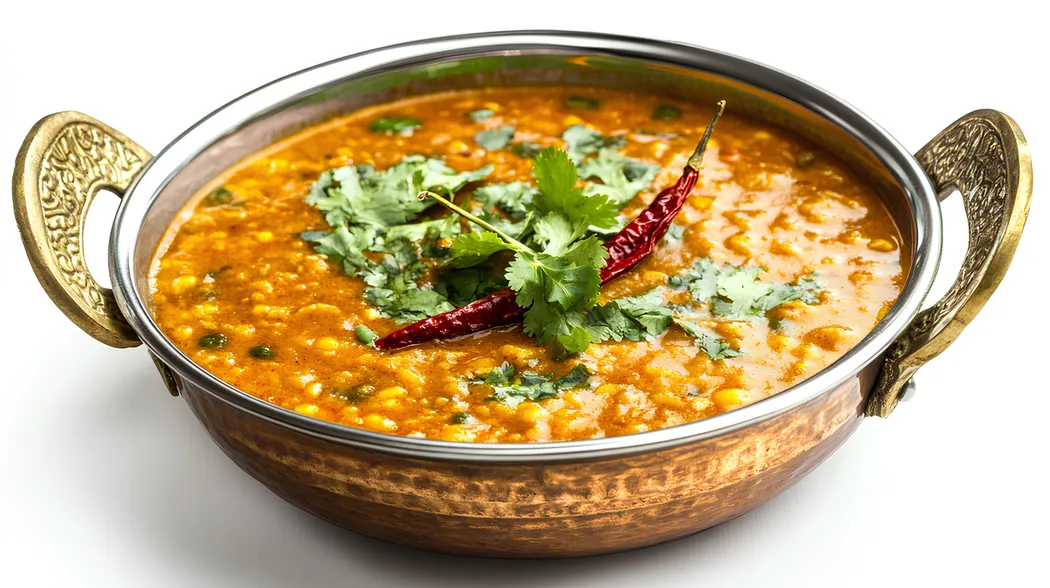
  • Blend: Let the mixture cool down. Transfer it to a sterilised blender and blend until it forms a silky-smooth lentil puree baby food.
  • Serve: Pour the puree into a clean bowl. Stir in a drop of ghee if desired, and serve it lukewarm to your baby.

Recipe 2: Gentle Yellow Moong or Toor Dal Puree (7+ Months)

A simple lentil puree baby dish is not only easy to prepare but also acts as an excellent base for vegetable additions. This baby lentil puree is perfect for introducing new textures.

Ingredients:

  • 2 tablespoons of yellow moong dal or toor dal
  • 1 small piece of carrot or pumpkin (peeled and chopped)
  • 1.5 cups of water
  • A tiny pinch of roasted cumin powder (helps with digestion)

Instructions:

  • Wash and Soak: Wash the dal and soak it in water for 30 minutes (especially if using toor dal).
  • Boil: In a saucepan or pressure cooker, combine the soaked dal, chopped carrot or pumpkin, and water. Cook until both the dal and vegetables are extremely soft.
  • Mash: For older babies (7–8 months), avoid the blender. Instead, use a potato masher to create mashed lentil baby food. This encourages your baby to practice chewing.
  • Season and Serve: Add a tiny pinch of roasted cumin powder, stir well, and feed your baby.

Important Tips for Safely Introducing Dal to Babies

To ensure your baby reaps all the nutritional benefits of lentils without any digestive distress, keep these essential safety and preparation tips in mind:

  • Always Soak Before Cooking: Soaking lentils for at least 20 to 30 minutes (and up to 2 hours for heavier lentils like toor and chana) helps break down complex starches and phytic acid. This significantly reduces gas and improves mineral absorption.
  • Skip the Salt: The Centers for Disease Control and Prevention (CDC) advises against adding salt to baby food for infants under one year of age, as their kidneys are too immature to handle added sodium.
  • Use Natural Carminative Spices: Adding a tiny pinch of turmeric, asafoetida (hing), or cumin powder to the dal helps prevent gas and introduces mild, healthy flavours to your baby's palate.
  • Follow the Three-Day Rule: When introducing any new dal, feed it to your baby for three consecutive days without introducing any other new food. This makes it easier to identify the source if an allergic reaction or digestive issue occurs.
  • Prioritise Thick Purees Over "Dal Ka Paani" (Dal Water): Historically, parents were advised to feed only the watery liquid floating on top of cooked dal. Modern pediatric guidelines recommend avoiding this practice because dal water lacks the protein and fibre concentrated in the actual lentils. Instead, serve a thick, blended, or mashed dal puree to ensure your baby gets actual nutrients.

Final Thoughts

Lentils are an exceptional, budget-friendly, and highly nutritious addition to your infant’s weaning diet. By understanding which dal is good for babies and taking the time to properly soak and cook them, you can easily provide your little one with a rich source of plant-based protein and iron. Start with simple, smooth purees, watch your baby’s reactions, and enjoy watching them explore these wholesome new flavours.

FAQS

Can dal cause gas in babies?

Yes, because of their high fibre and complex carbohydrate content, lentils can sometimes cause mild gas. You can minimise this by thoroughly soaking the dal before cooking, rinsing it well, cooking it until it is completely soft, and adding a tiny pinch of asafoetida (hing) or cumin powder.

Is it safe to add ghee to my baby's dal?

Yes, adding a few drops of homemade ghee to your baby’s dal is highly recommended once they start solids. Ghee provides healthy fats essential for brain development and helps in the absorption of fat-soluble vitamins.

Can I freeze leftover lentil puree baby food?

Yes, you can freeze fresh lentil puree. Pour the cooled puree into sterilised, BPA-free silicone freezer trays or airtight containers. It can be frozen for up to one month. Thaw it thoroughly in the refrigerator overnight and warm it gently before serving. Do not refreeze leftovers.

What should I do if my baby gets constipated after eating dal?

While the fibre in dal generally prevents constipation, a sudden increase in fibre without enough hydration can sometimes cause mild constipation. Ensure your baby is getting adequate breast milk or formula, or offer a few sips of water (for babies over 6 months) alongside the meal.

At what age can I introduce mixed dal khichdi?

Once your baby has successfully digested single lentil purees (like yellow moong and masoor) for a few weeks, you can safely introduce a soft, mashed khichdi (a mixture of dal, rice, and a little ghee) around 7 to 8 months of age.

Apollo 247 Floating Action Button