Age-Appropriate Use and Preparation
Dexolac 3 Age Range
The dexolac 3 age range is 1 to 2 years. It should not be given to infants below 12 months. Before age 1, breast milk or an age-appropriate stage 1 or 2 formula is needed because younger infants cannot safely process the higher mineral load and altered protein ratio present in toddler formulas.
After age 2, most children can transition to regular full-fat cow's milk or other family dairy, though your pediatrician is the right person to guide this change, especially if your child has specific health concerns.
How to Prepare Dexolac 3
Correct preparation is essential for both safety and nutrition. An incorrectly diluted formula can under-nourish or overfeed a toddler.
- Wash hands thoroughly before handling the formula or feeding equipment.
- Boil fresh drinking water and allow it to cool to approximately 40 to 50 degrees
- Celsius. Cold water may not dissolve the powder evenly.
- Pour the required volume of cooled boiled water into a sterilised feeding cup or bottle first.
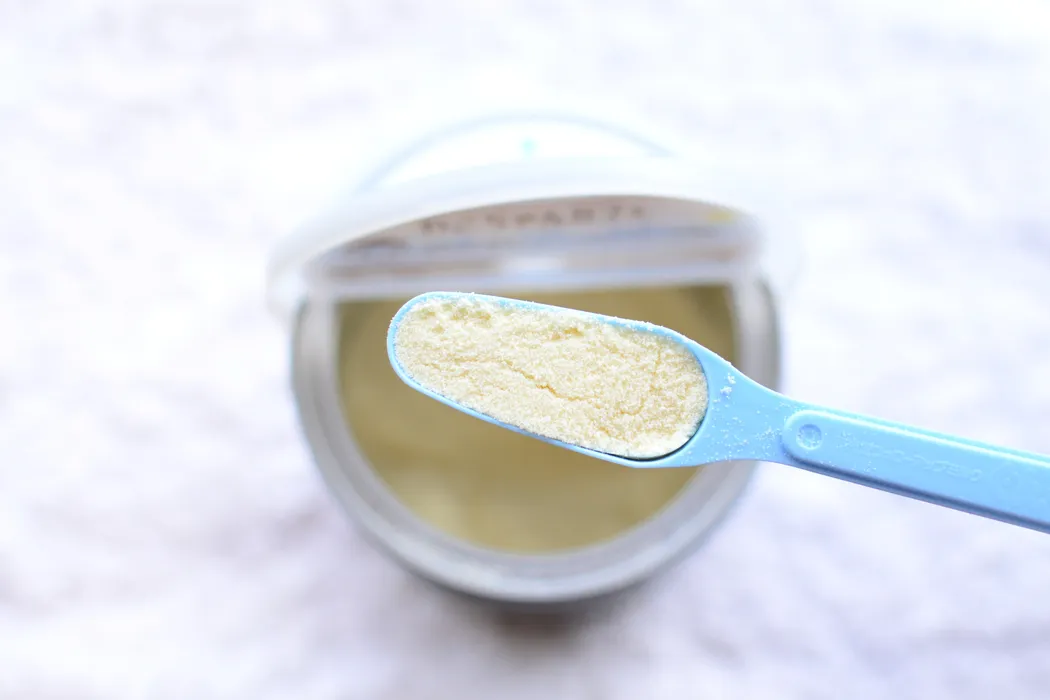
- Use only the scoop provided in the tin. Level each scoop with the built-in leveller or a clean, dry knife. Do not pack or heap the powder.
- Add the number of scoops specified on the pack for your child's age and feeding frequency.
- Stir or shake until fully dissolved, then check the temperature on your wrist before feeding.
- Discard any prepared formula not consumed within one hour of preparation.
Always follow the instructions printed on the pack you have in hand, as preparation ratios can differ between product versions.
Feeding Frequency
For most toddlers aged 1 to 2 years, formula feeds complement three to four small family meals per day. Dexolac 3 is a complement to food, not a replacement for it. If you are unsure how many feeds are appropriate for your child's weight and appetite, speak to your pediatrician or a registered dietitian before making changes.