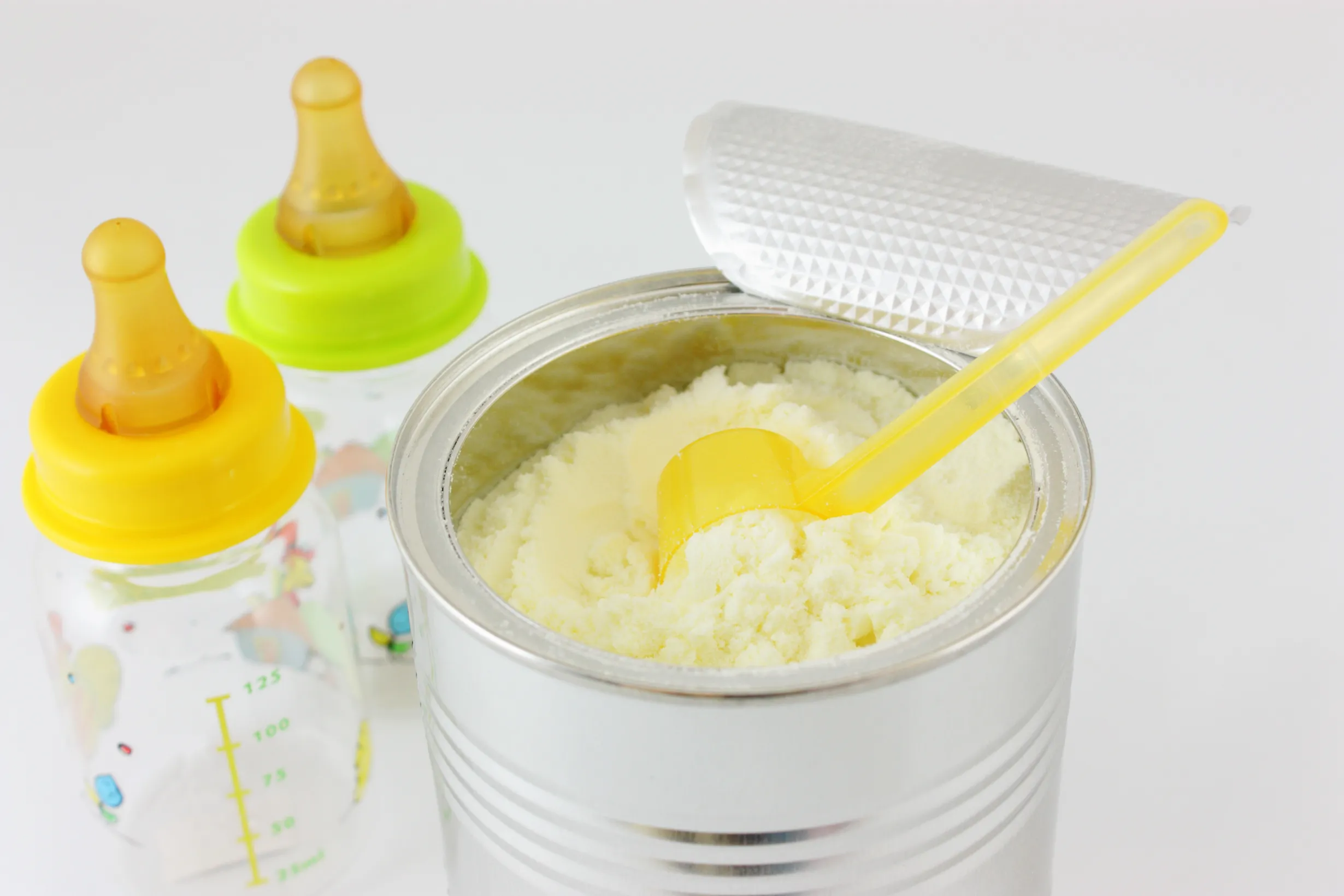
Dexolac vs Lactogen: Formula Stages & Nutrition Guide
Compare Dexolac and Lactogen infant formulas, including stages, nutritional features, Dexolac Nusobee, availability in India, and safe formula preparation.
Dr.Kamran
Choosing an infant formula can feel overwhelming, especially when several brands, stages and specialised formulations are available. Dexolac and Lactogen are well-known infant formula brands in India, but their products are not identical, and some products within the Dexolac range are designed for specific nutritional needs.
This guide explains the stages available across the two brands, compares their general nutritional features, clarifies where Dexolac Nusobee fits into the range, and explains what parents should consider when choosing or changing an infant formula.
What Are Dexolac and Lactogen Infant Formulas?
Infant formula is a manufactured food designed to provide nutrients to babies when breastfeeding is not possible or when formula is being used alongside breastfeeding. Standard infant formulas provide nutrients such as protein, fat, carbohydrates, vitamins and minerals to support infant growth and development.
Dexolac is a Danone India brand with several products, including standard stage-based infant formulas and specialised products such as Dexolac Nusobee and Dexolac Special Care.
Lactogen is a Nestlé India infant formula brand with stage-based products for different age groups.
Standard infant formulas are not medical treatments. The appropriate product depends on the baby's age, nutritional needs and health rather than on brand recognition alone.
Both brands use age-based stages, but the exact formulation and intended use can differ between products. It is also important to distinguish the standard Dexolac stages from specialised products such as Dexolac Nusobee.
Dexolac Stage Breakdown
The standard Dexolac range includes four stages.
The table below summarises the general age range and role of each stage.
Dexolac stage
General age range
General use
Stage 1
0 to 6 months
Infant formula for young infants
Stage 2
6 to 12 months
Follow-up formula alongside complementary foods
Stage 3
12 to 18 months
Follow-up formula for older infants and young toddlers
Stage 4
18 to 24 months
Follow-up formula for older toddlers
Dexolac Stage 1 is an infant formula for babies from birth to 6 months. The current formulation includes iron, DHA, ARA, a prebiotic fibre blend and other nutrients.
The stage number should not be treated as a measure of quality. Use the product intended for your baby's age and follow the current instructions on the pack.
What Is Dexolac Nusobee?
Dexolac Nusobee is a separate lactose-free infant milk substitute. It is intended for infants and young children who require lactose-free feeding, including in certain situations involving lactose intolerance and diarrhoea.
This distinction is important because lactose-free formula is not the same as a formula designed to treat cow's milk protein allergy.
Lactose intolerance and cow's milk protein allergy are different conditions. Lactose intolerance involves difficulty digesting lactose, whereas cow's milk protein allergy is an immune reaction to proteins in cow's milk.
A lactose-free formula may be appropriate when lactose intolerance has been assessed. Babies with confirmed cow's milk protein allergy generally require an extensively hydrolysed or amino acid-based formula under medical guidance. A lactose-free formula that still contains cow's milk proteins is not a treatment for cow's milk protein allergy.
Dexolac Nusobee should therefore be used for an appropriate indication rather than simply because a baby appears gassy, unsettled or has occasional digestive symptoms.
Lactogen Stage Breakdown
Current Lactogen Pro products follow a four-stage structure.
The table below gives the general age range for each stage.
The exact product name, formulation and availability can change, so check the current pack before purchasing.
Nutritional Content Comparison
Formula composition varies by brand, stage and individual product. Rather than relying on older nutrition tables, it is more useful to compare the general nutritional features of the current products.
The table below highlights commonly considered nutritional features without implying that one brand is universally superior to the other.
Nutritional feature
Dexolac Stage 1
Lactogen Pro 1
Protein
Provides protein for infant growth; contains whey proteins
Contains whey protein
Fatty acids
Contains DHA and ARA
Contains essential fatty acids; exact composition varies by product
Iron
Fortified with iron
Fortified with iron
Prebiotics
Contains a prebiotic fibre blend
Contains GOS and FOS prebiotic fibres
Probiotic
Depends on the specific formulation
Contains L. reuteri in the current Pro formulation
Other nutrients
Provides nutrients including calcium, phosphorus, vitamin D, taurine, choline and iodine
Provides a range of vitamins and minerals appropriate to the product stage
Exact energy, protein, fat, carbohydrate, vitamin and mineral values should be taken from the current product label. Formulations can change, and figures from an older pack may no longer reflect the product currently sold.
Does One Formula Have Better Nutrition?
There is no basis for describing Dexolac or Lactogen as universally better for every healthy infant.
Both brands offer regulated infant formulas, but their ingredients and formulations differ. A baby may tolerate one product better than another, but this does not by itself mean that one brand is nutritionally superior.
The more important considerations are whether the formula is appropriate for the baby's age and health, whether it meets the baby's nutritional needs, and whether it is prepared and stored correctly.
Dexolac and Lactogen Availability in India
Dexolac and Lactogen products are available through pharmacies and other retail channels in India, although individual products, pack sizes, prices and stock can vary by location.
Current retail availability includes standard Dexolac stage products, Dexolac Nusobee and specialised Dexolac products, as well as Lactogen Pro products across different stages.
When buying infant formula:
Check that the container is sealed and the packaging is undamaged.
Check the use-by date before purchasing.
Make sure the stage matches your baby's age.
Check the product name carefully, particularly when buying Dexolac, because standard Dexolac products and Dexolac Nusobee have different uses.
Buy from a reputable pharmacy or retailer.
Follow the storage instructions printed on the current pack.
Prices and pack sizes can change with retailer, location and promotions, so current retail listings should be checked when making a purchase.
Who May Need a Specialised Formula?
Not every baby should receive a standard infant formula. Some babies require a specialised feeding plan based on a diagnosed medical condition.
Cow's Milk Protein Allergy
Cow's milk protein allergy is an immune reaction to proteins in cow's milk. A baby with confirmed cow's milk protein allergy generally needs an appropriately hypoallergenic formula rather than a standard cow's milk-based formula.
Extensively hydrolysed formulas are commonly used in many cases, while amino acid-based formulas may be considered for severe allergy or when an extensively hydrolysed formula is not suitable or effective.
Partially hydrolysed formulas are not considered appropriate treatment for confirmed cow's milk protein allergy.
Lactose Intolerance
True lactose intolerance is uncommon in young infants. Temporary lactose intolerance can occur after some gastrointestinal infections, but symptoms such as diarrhoea, abdominal discomfort or excessive gas should be assessed before changing formula.
A lactose-free formula such as Dexolac Nusobee may be appropriate in selected circumstances, but it should not be used simply because a baby has ordinary feeding-related fussiness.
Premature or Medically Vulnerable Babies
Premature babies and some medically vulnerable infants have nutritional requirements that differ from those of healthy full-term infants. Standard term formula may not provide the nutritional profile needed in these circumstances.
Dexolac Special Care is specifically formulated for preterm babies born before 37 weeks. A neonatologist or paediatrician should determine whether a specialised preterm or post-discharge feeding plan is appropriate.
Metabolic Conditions
Babies with metabolic conditions such as galactosaemia or phenylketonuria may need specially formulated feeds. Standard infant formula should not be used without specialist advice in these situations.
When Should You Speak to a Paediatrician?
Talk to your paediatrician if your baby has persistent feeding difficulties, poor weight gain, repeated vomiting, ongoing diarrhoea or symptoms that could indicate an allergy.
Particular signs that warrant medical assessment include:
Repeated vomiting
Persistent diarrhoea
Blood in the stool
Hives or a widespread rash
Swelling of the face, lips or tongue
Wheezing or breathing difficulty
Persistent refusal of feeds
Poor weight gain
Significant or ongoing feeding-related distress
If a baby develops severe breathing difficulty or swelling of the face, lips, tongue or throat after feeding, seek emergency medical care.
A baby's symptoms should not automatically be labelled as "formula intolerance". Reflux, constipation, infection, feeding technique, allergy and other conditions can produce overlapping symptoms.
Can You Switch Between Dexolac and Lactogen?
A formula change may sometimes be appropriate, but the reason for changing matters.
For a healthy full-term baby, a paediatrician can advise whether switching between standard formulas is reasonable. Babies may experience temporary changes in stool pattern or feeding behaviour after a change, but persistent or significant symptoms should be assessed rather than repeatedly changing formulas.
If the baby has suspected cow's milk protein allergy, lactose intolerance, poor growth, prematurity or another medical condition, the underlying problem should be assessed before choosing a replacement formula.
A specialised formula should also not be replaced with a standard formula simply because the specialised product is less readily available.
How to Prepare Dexolac or Lactogen Formula Safely?
Safe preparation is essential because powdered infant formula is not sterile. Clean preparation equipment, safe water and accurate measurement help reduce the risk of contamination and incorrect nutrient concentration.
Preparing a Feed
Always follow the preparation instructions on the specific product pack because instructions can differ between formulations.
General principles include:
Wash your hands thoroughly before preparing the feed.
Clean and sterilise feeding equipment according to the manufacturer's instructions and local guidance.
Use safe drinking water.
Measure the required amount of water first.
Add exactly the amount of powder specified on the label.
Use only the scoop supplied with that product.
Do not add extra powder to make the feed stronger or extra water to dilute it.
Mix according to the product instructions.
Check that the feed is at a safe temperature before giving it to the baby.
Discard leftover formula after feeding.
Preparation temperatures can vary according to the product and the circumstances of the infant. Current Dexolac instructions advise boiling drinking water and allowing it to cool to lukewarm before preparation. For babies younger than 2 months, babies born prematurely, or babies with weakened immune systems, additional precautions against contamination from organisms such as Cronobacter may be appropriate. Follow the current product instructions and your paediatrician's advice rather than applying one preparation method to every baby.
Storing Prepared Formula
Prepared formula should be used promptly and stored carefully.
Prepare a feed as close to feeding time as practical.
Follow the specific product's storage instructions.
Prepared formula that is not used within 2 hours should generally be refrigerated promptly and used within 24 hours.
Once feeding has started, use the prepared formula within 1 hour and discard any remaining formula.
Do not refrigerate leftover formula from a feed that has already started.
Keep opened formula powder tightly closed and store it in a cool, dry place.
Follow the manufacturer's instructions for how long the powder can be used after opening.
Never use formula after its use-by date.
Specialised products may have stricter storage instructions. For example, the current Dexolac Nusobee instructions advise preparing one feed at a time and using it immediately, within half an hour. When the product label provides more specific instructions, follow those instructions.
Conclusion
Dexolac and Lactogen offer several stage-based infant and follow-up formulas in India, but the products within each brand are not interchangeable. Standard Dexolac has four age-based stages, while Dexolac Nusobee is a separate specialised lactose-free product. Lactogen Pro also has four stages extending from birth through 24 months.
The right formula depends on the baby's age, nutritional requirements and health rather than the brand name alone. Check the current product label for ingredients, preparation instructions and storage guidance, and consult a paediatrician when your baby has allergy symptoms, persistent digestive problems, poor growth, prematurity or another medical condition.
FAQS
What is the difference between Dexolac and Lactogen?
Both brands offer stage-based infant and follow-up formulas, but their formulations differ. Dexolac also has specialised products such as Dexolac Nusobee, while current Lactogen Pro products contain ingredients such as whey protein, L. reuteri and prebiotic fibres. The appropriate choice depends on the baby's age and individual nutritional needs.
Which stage of Dexolac or Lactogen is suitable for a newborn?
Stage 1 products are generally intended for babies from birth to around 6 months. Always check the exact product label because specialised products such as Dexolac Nusobee have different indications and should not be treated as routine Stage 1 formula.
Can I switch my baby from Dexolac to Lactogen?
A switch may be appropriate for some healthy babies, but it is better to discuss the reason for changing with a paediatrician. If your baby has persistent vomiting, diarrhoea, blood in the stool, suspected allergy, poor weight gain or another medical condition, the underlying problem should be assessed before choosing another formula.
Is Dexolac Nusobee suitable for cow's milk protein allergy?
Dexolac Nusobee is a lactose-free specialised formula and should not be assumed to treat cow's milk protein allergy. Lactose intolerance and cow's milk protein allergy are different conditions. Babies with confirmed cow's milk protein allergy generally need an appropriately hydrolysed or amino acid-based formula under medical guidance.
How should Dexolac or Lactogen formula be prepared safely?
Follow the instructions on the specific product pack, use safe water and measure the water and powder accurately. Do not add extra powder or water. Prepare feeds hygienically, use them promptly and discard leftovers after feeding. Specialised products may have different preparation or storage instructions, so the current product label should always be followed.