logo
0

Diaper Bag Guide: Choosing and Organising the Right Bag

Learn how to choose and organise a diaper bag, including essential supplies, changing pads, cleaning tips and packing advice for babies.

article image

Dr.Mayank

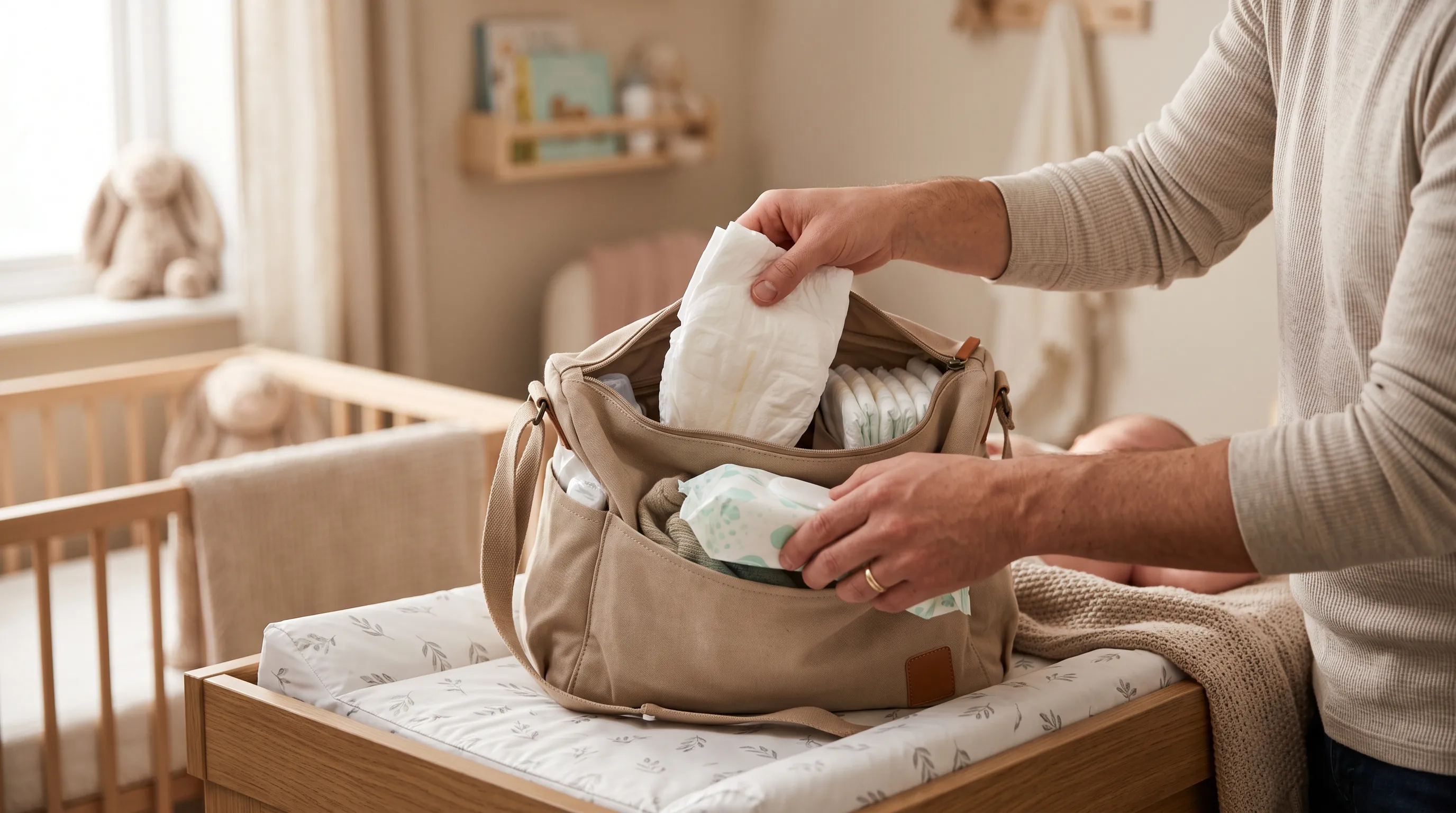
Picking the right diaper bag is one of those early parenting decisions that quietly shapes every outing for the next two to three years. A well-chosen, well-packed diaper bag means fewer panicked searches at the bottom of a tote and more calm, confident trips with your baby. This guide covers everything from selecting the bag itself to keeping it stocked, clean, and ready to go.

How to Choose the Right Diaper Bag?

The best diaper bag fits your lifestyle, not the one with the most features on the label.

  • Size matters more in the newborn phase than you might expect. Newborns need more diapers, more clothing changes, and feeding supplies on top of everything else. A medium-to-large backpack works well in the early months. You can downsize around six months as the amount of equipment you carry changes.
  • Compartments make or break usability. Look for multiple pockets, at least one exterior pocket for quick wipe access, and a dedicated insulated pocket if you are formula-feeding or expressing milk. Mesh side pockets for water bottles are a bonus.
  • Material should be wipeable. Nylon, polyester, and coated canvas hold up well in India's climate and resist stain absorption. The interior lining matters too since it should wipe clean easily.
  • Strap style is a real consideration when you are also carrying a baby. Backpack diaper bags spread weight across both shoulders. Tote bags are easier to open quickly but dig into one shoulder over a long outing. Some bags offer detachable straps for both options, which gives you flexibility.
  • Insulated pockets can be useful if you are carrying expressed breast milk or prepared formula. Insulation alone does not provide the same temperature control as a properly packed cooler with ice packs, so follow safe storage guidance for the specific feed.

Must-Have Diaper Bag Essentials

A solid diaper bag checklist keeps you from overpacking or arriving somewhere underprepared. Here are the core items to carry:

  • Diapers sized for your baby's current weight, with enough for the expected changes during the outing plus extras
  • Unscented baby wipes
  • A portable diaper changing pad
  • Zinc oxide or calendula-based diaper rash cream, if appropriate for your baby's skin
  • Two full spare outfits
  • A muslin cloth or small towel for spills and burps
  • Hand sanitiser for caregivers
  • Feeding supplies suited to your method: formula and a sterilised bottle, or supplies needed for breastfeeding
  • A small sealed bag for soiled clothes or used diapers
  • Any prescribed medications in their original packaging and labelling

These diaper bag essentials will shift as your baby grows. Around six months, some families may carry snacks or age-appropriate feeding supplies and teething toys, while muslin cloths may still remain useful.

Report adverse events related to any baby product, cream, or medication to your healthcare provider or the relevant regulatory authority.

Choosing a Changing Pad for On-the-Go Use

Public changing stations in India are unreliable, so a personal diaper changing pad is one of the most practical items you can carry.

Foldable portable pads are the most common choice. They fold flat into a side pocket, open quickly on a park bench or café table, and most have a waterproof surface that wipes clean with a baby wipe. Padded versions offer a bit of cushioning on hard surfaces, which babies generally tolerate better.

Some premium bags include a built-in pad pocket, usually in the back panel, so the pad is always in the right place without taking up main compartment space. This is worth looking for in the best diaper bag for newborn use, when you are carrying the most gear.

For hygiene, clean the pad after every change according to the manufacturer's instructions. Do a proper clean with mild soap and water when needed. Never place your baby directly on a public changing surface without your own pad underneath.

Using a Diaper Caddy to Organise the Bag

A diaper caddy organiser is an open-top bin or basket that keeps all your changing supplies in one place. Inside a diaper bag, a smaller caddy insert works the same way: diapers, wipes, rash cream, and the folded changing pad all sit together in one removable unit, so you are not rummaging when your baby is already fussing.

The practical advantage is speed. One pull and everything you need is in hand. It also helps separate clean supplies from used ones. Keep a small sealable pouch for soiled clothes in a separate section of the bag, and reserve the caddy purely for clean diapering items.

At home, a larger diaper caddy on a shelf or dresser serves the same purpose: no bag needed, just a quick grab during home changes. Many parents keep one caddy stocked for home use and a compact insert version inside their bag for outings.

Packing and Maintaining Your Diaper Bag

A quick evening check is the most useful habit you can build. Restock diapers and wipes right after returning home so the bag is ready the next morning. Running out mid-outing is almost always avoidable with this one routine.

Seasonal swaps for Indian conditions:

  • Summer: Add an extra water bottle for the caregiver and baby, as appropriate for the baby's age and feeding method
  • Monsoon: Pack a lightweight spare top for yourself since you will likely get wet too
  • Cooler months: A light muslin swaddle fits easily in the main compartment without adding much weight

Cleaning schedule to keep in mind:

  • Wipe or clean the changing pad after every use, according to the manufacturer's instructions
  • Wipe the bag's interior lining once a week
  • Wash fabric inserts or pouches every two weeks or according to the manufacturer's instructions
  • Check expiry dates on creams and medications once a month

A printed diaper bag checklist tucked inside the front pocket lets you scan what needs topping up without unpacking everything.

When to Consult a Doctor for Baby Skin or Hygiene Issues?

Diaper rash is common, but it is not always minor. See a doctor if the rash is blistered, spreading, associated with open sores or fever, or not improving after two to three days of appropriate home care and frequent changes.

Candida diaper dermatitis can have features such as involvement of the skin folds and small spots around the main area of redness. Because treatment differs from that of simple irritant dermatitis, persistent or suspected fungal rashes should be assessed by a healthcare professional rather than treated based on appearance alone.

During changes, you may also notice issues around the umbilical stump in a newborn. Read Apollo's guide on how to care for a newborn's belly button during diaper changes for step-by-step guidance on cord hygiene.

Any cut, skin break, or unusual discharge noticed during a diaper change should be assessed by a paediatrician promptly.

Who should seek medical advice before using diaper creams or products: Parents of premature babies, babies with known skin conditions such as eczema, or babies with a history of allergic reactions should consult a doctor before applying any new rash cream or powder. Not all products suit all skin types, and some ingredients may cause sensitivity reactions in vulnerable infants.

Conclusion

A well-organised diaper bag can make outings with a baby considerably easier, but it does not need to be filled with every possible baby product. Focus on the essentials your baby actually uses, carry enough diapers and feeding supplies for the outing with a few extras, and adjust the contents as your baby grows. Keeping the bag clean and restocking it regularly can also make everyday trips more predictable and stress-free.
FAQS

What size diaper bag do I need?

For a newborn, a medium-to-large bag is generally practical because you need to carry more diapers, clothing changes and feeding supplies. The ideal size depends on your feeding method, outing length and how much equipment you normally carry. You can move to a smaller bag as the volume of supplies decreases.

Can I use a normal bag as a diaper bag?

Yes, but a bag without wipeable lining, compartments, or insulated pockets will be less practical. If you use a regular bag, pair it with a diaper caddy organiser insert to stay organised.

How many diapers should I carry in a diaper bag?

Pack enough for the expected changes during the outing plus several extra diapers as a backup. Newborns generally need more frequent changes than older babies, so it is sensible to carry extra diapers during the early months rather than relying on a fixed one-per-hour rule.

Is a diaper caddy necessary?

It is not strictly necessary, but it can make it easier to organise supplies and manage a change on the go. Even a small zippered pouch used as an inner organiser has the same effect.

How do I clean a diaper changing pad?

Clean the pad according to the manufacturer's instructions after use, particularly if it has come into contact with stool or other bodily fluids. Many waterproof pads can be wiped clean with soap and water and should be allowed to dry completely before being packed away.

Apollo 247 Floating Action Button