logo
0

Diaper Bag Guide: Choosing, Packing & Organizing Tips

A practical diaper bag guide: what to buy, how to organize compartments, and a complete packing checklist for new parents.

article image

Dr.Rohini priyanaka

Every new parent quickly learns that leaving the house with a baby requires planning. A well-stocked diaper bag is the difference between a smooth outing and a frantic scramble at a café with no spare clothes and an unhappy infant. Whether you are preparing for a first trip to the clinic or a weekend visit to family, getting your diaper bag right from the start saves time, stress, and money.

How to Choose the Right Diaper Bag?

The market is full of options, from structured totes to sleek backpacks, and the right choice depends on how you carry it and your baby's age.

  • Size: A newborn needs more supplies than a toddler, so go larger early on. A bag with 15 to 20 litres of capacity works well for the first six months. As your baby grows and feedings become less frequent, a smaller, lighter bag is easier to manage.
  • Material: Look for water-resistant or wipe-clean fabric. Spills are a given, and a bag that can be wiped down in seconds is far more practical than one that needs a full wash every week.
  • Compartments: Multiple pockets matter. You want dedicated spots for bottles, wipes, a changing pad, and your own keys or phone. Avoid bags with only one large cavity because everything ends up in a heap at the bottom.
  • Stroller compatibility: Many bags come with clips or loops that attach to pram handles. This is genuinely useful when you are pushing with both hands. Check that the weight does not tip the stroller if you hang it off the back.
  • Adjustable straps: A bag worn across one shoulder for short errands is fine, but a backpack-style diaper bag distributes weight evenly, which matters on longer outings.

The best diaper bag for a newborn is usually a roomy backpack or a convertible tote with stroller straps, sturdy zips, and an insulated pocket for bottles.

Diaper Bag Essentials Checklist

Packing a diaper bag well comes down to anticipating what your baby will need in a two-to-four hour window, then scaling up for longer trips.

Core items every bag should have:

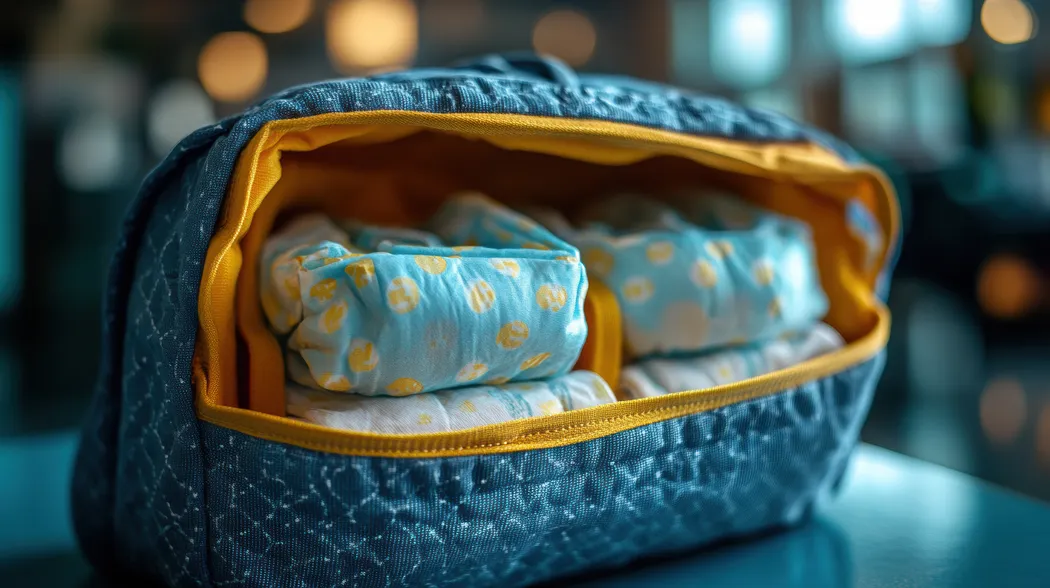
  • Diapers: pack one per hour of the outing, plus one or two extras
  • Fragrance-free baby wipes, sealed in a travel pack
  • A portable changing pad (disposable or foldable)
  • At least one full change of clothes for the baby, including socks
  • A small resealable bag for soiled clothes
  • Hand sanitiser for caregivers
  • A muslin cloth or burp cloth

Feeding supplies (adjust to your method):

  • Pre-measured formula in a dispenser, or a clean nursing cover
  • Two bottles if bottle-feeding, kept in an insulated pocket
  • Pacifier in a closed case

First-aid basics:

  • Adhesive bandages in newborn and small sizes for treating minor cuts and wounds
  • Digital thermometer
  • Saline nasal drops (if your paediatrician has advised them)

See the section on paediatrician guidance before adding any medicated items to this list.

Organising Your Diaper Bag Efficiently

A diaper bag organiser, whether a built-in system or a set of pouches you add yourself, saves you from digging at the worst possible moment.

  • Zone by frequency of use: Wipes, a diaper, and sanitiser are reached most often. Keep them in an outer or top pocket. Spare clothes, a changing pad, and feeding supplies go in the main compartment. Documents and your own items go in a back zip pocket so they stay separate from baby items.
  • Use small pouches or zip bags: Group related items together: one pouch for feeding, one for first aid, one for spare clothes. Colour coding helps when you are tired and only have one free hand.
  • Label or mark pouches: A simple sticker or fabric tag means your partner or a grandparent can find things quickly without asking.
  • Quick-access rule: if you will need it in a hurry, it should never be at the bottom of the bag. Wipes and a diaper should be reachable in under ten seconds.

Repack the bag every evening after an outing. Restocking at night takes five minutes; realising mid-outing that you are out of diapers takes much longer to fix.

Packing Tips for Different Outings

Scaling your pack to the trip length prevents an overstuffed bag on a quick errand and an under-packed one on a travel day.

  • Short errand (under 2 hours): Three to four diapers, one set of spare clothes, wipes, a bottle or nursing supplies, and your changing pad. Keep it light.
  • Full day out: Double the diapers, two sets of clothes, extra formula servings, a snack if the baby has started solids, and a small first-aid pouch. If the weather changes, a light layer is worth the extra weight.
  • Diaper bag for travel or flights: Pack diapers in your carry-on at roughly one per hour of travel time plus a buffer for delays. Sealed wipes, changing supplies, and one to two spare outfits are non-negotiable. Carry any medicines in original packaging. Check airline rules on liquid formula quantities before you fly. Keep newborn belly button care tips in mind if your baby is very young and the cord stump has not yet healed.

A diaper bag checklist printed and stuck inside the bag flap is a simple way to confirm nothing is missing before you leave home.

Hygiene and Safety Precautions While Using a Diaper Bag

A practical routine makes it easier to keep the diaper bag clean, organised, and safe for everyday use. The following precautions can help reduce contamination, prevent expired products from being used, and ensure potentially unsafe items are stored securely.

  • Clean the bag regularly: Wipe the interior and exterior with a damp cloth weekly. For fabric bags, follow the manufacturer's care label. Remove all items before washing so small objects are not damaged or lost.
  • Avoid cross-contamination: Never place soiled items loose inside the main compartment. Use sealed bags for used diapers or dirty clothes before placing them in the bag.
  • Check expiry dates: Wipes, saline drops, and any creams or medicines have shelf lives. A quick monthly check prevents you from using an expired product on your baby's skin.
  • Store items safely: Medicines, thermometers, and anything sharp should be in a zipped inner pocket, out of reach if an older sibling is near the bag. Report adverse events to your healthcare provider or the relevant regulatory authority if a product causes an unexpected reaction.

When to Consult a Paediatrician?

Before placing any over-the-counter item in your diaper bag for regular use, a quick conversation with your baby's doctor is worth it.

  • Rash creams and barrier ointments: Some formulations contain ingredients that are unsuitable for very young or premature babies. Your paediatrician can recommend what is safe for your baby's skin type.
  • Fever or pain medicine: Never pack oral medicines for infants without a specific recommendation, correct dose, and dosing schedule from your doctor. Age limits and weight-based dosing make self-selecting dangerous.
  • Antihistamines or cough preparations: Most of these carry specific age and weight restrictions. A pharmacist at Apollo Pharmacy can also guide you on which products are appropriate to carry.
  • Medicated eye or ear drops: These require a prescription and should only be used as directed.
  • Any product that touches your baby's skin or enters their body warrants professional advice first.
  • Who should not self-manage: Parents of premature infants, babies with known allergies, or babies on prescribed medication should be especially cautious about adding any product to the bag without checking first.
  • Medical disclaimer: The information in this article is for general guidance only and does not substitute professional medical advice, diagnosis, or treatment. Always consult a qualified pediatrician or healthcare provider for decisions specific to your baby's health and development. Prescribing information for any medicine mentioned should be read in full before use. If your baby experiences an adverse event, report it to your healthcare provider or the relevant regulatory authority immediately.

Conclusion

A well-packed diaper bag can make everyday outings with a baby more comfortable, organised, and less stressful. The essentials will vary with your baby’s age, feeding method, the length of the outing, and your destination, so focus on practical items you are likely to use rather than carrying everything you own. Keeping diapers, wipes, changing supplies, spare clothes, feeding essentials, and basic safety items organised in easy-to-reach compartments can also make quick changes and unexpected situations easier to manage.

Regularly clean and restock the bag, check the condition and expiry dates of stored products, and keep medicines and other potentially unsafe items secured. For babies who are premature, have allergies, take prescribed medicines, or develop symptoms requiring treatment, seek paediatric advice before adding or using medicated products. A simple, well-organised diaper bag should support your routine without becoming unnecessarily heavy or complicated.

FAQS

What is the ideal diaper bag size for newborns?

A bag with 15 to 20 litres of capacity works well for the first six months because newborns need more supplies per outing. As the baby grows, you can switch to something smaller.
How many diapers should I pack per outing?

Pack roughly one diaper per hour of the outing, plus two extras as a buffer. For a four-hour trip, six diapers is a safe starting number.

Can I use a regular backpack as a diaper bag?

Yes, as long as it has enough compartments to keep items organised and is easy to wipe clean. Adding a diaper bag organizer insert converts most backpacks effectively.

What items are unnecessary in a diaper bag?

Full-size toiletries, multiple toy sets, and a week's worth of supplies weigh the bag down without adding value. Stick to what you will realistically use in the time you are out.

How do I disinfect a diaper bag?

Wipe inner surfaces with a baby-safe antibacterial wipe or a cloth dampened with diluted baby-safe cleaner. For machine-washable bags, remove all items, wash on a gentle cycle, and air dry completely before repacking.

Apollo 247 Floating Action Button