logo
0

Diaper Caddy Guide: Set Up Your Changing Station Right

How to pick a diaper caddy, changing pad and furniture for a safe, organized nursery changing station. Practical tips for new parents.

article image

Dr.Nallapu Siri

Setting up a diaper changing station feels overwhelming when you're surrounded by product options and unsure what your baby actually needs. A well-chosen diaper caddy sits at the center of a functional station, keeping every essential within arm's reach so you never have to leave your baby unattended on the changing surface. Getting this right from the start makes every change faster, safer, and less stressful.

What Is a Diaper Caddy and Why You Need One?

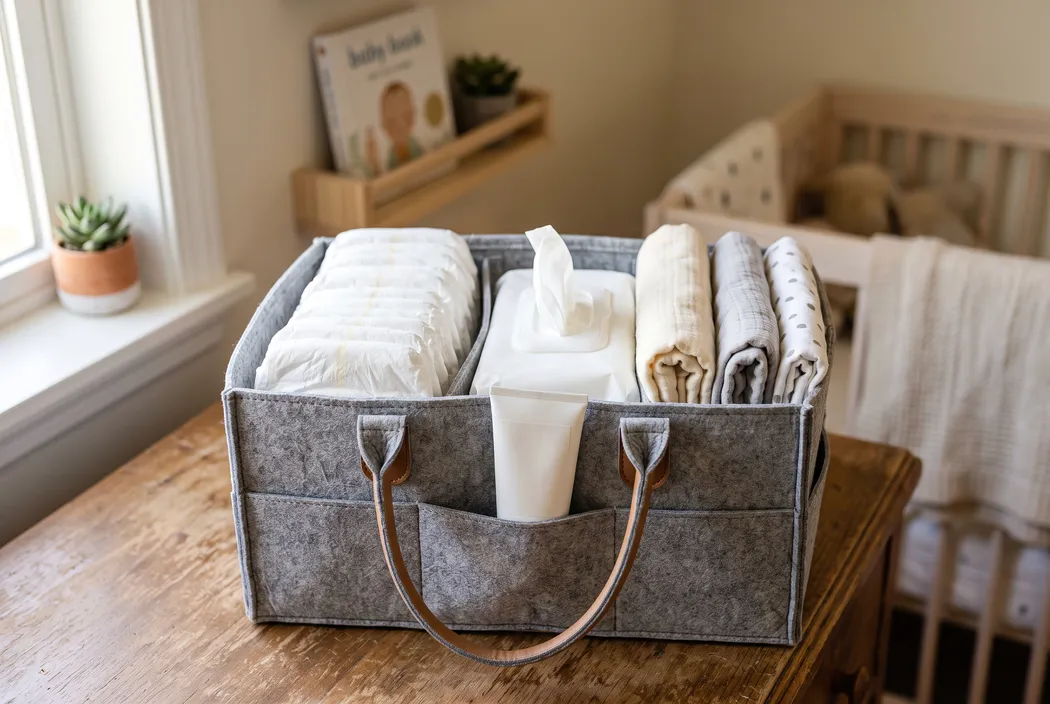
A diaper caddy is a portable, compartmentalised organiser designed to hold everything you need for a diaper change. Unlike a fixed changing table organiser, a caddy can move with you, from the nursery to the living room to the bedroom, without you having to restock supplies in multiple spots.

Most caddies are made from fabric, felt, or woven material and feature multiple pockets or dividers. The core benefit is simple: when your baby is on the changing pad, both hands need to be on the baby. Reaching across a cluttered surface is when accidents happen. A caddy puts diapers, wipes, and cream within a quick one-handed grab.

Essential Changing Station Furniture

Your changing station furniture needs to be stable, the right height for you, and easy to clean. Three common setups work well for most families:

  • A dedicated changing table with built-in rails and an attached changing table organizer shelf underneath
  • A dresser with a changing topper secured on top, which saves space and doubles as long-term storage furniture
  • A standalone portable station, useful in smaller homes or for families who want flexibility between rooms

Whatever you choose, check the manufacturer's weight limit. Most standard changing tables accommodate babies up to around 13 to 15 kg, but always verify the specific product rating. Ensure the furniture sits on a flat, non-slip surface, and if it comes with wall-anchor hardware, use it. Tip-overs are a genuine safety risk, especially once your baby can pull to stand.

Avoid placing the station near windows with blind cords, heaters, or any surface your baby could reach and grab.

Choosing a Changing Pad: Materials and Safety

The diaper changing pad is the surface your baby will spend the most time on, so material and safety features matter more than appearance.

What to look for:

  • A contoured pad with raised sides helps contain an active baby, though it never replaces your hand staying on them
  • A safety strap is standard on most pads; use it, and still keep one hand on your baby at all times
  • Waterproof vinyl or foam pads with a non-porous surface wipe down easily after leaks
  • Avoid pads with thick fabric covers that cannot be fully cleaned; bacteria and mold can accumulate in seams

Covers and hygiene: Washable cotton covers add comfort and can be swapped out between changes. Keep two or three so one is always clean while another is in the wash. Wipe the pad itself with a baby-safe disinfectant after any mess reaches the foam.

Connecting good hygiene at the changing pad to overall newborn skin care matters, particularly in the early weeks. Cord care is part of this routine for newborns; see how to care for your newborn's belly button for guidance on keeping that area clean during diaper changes.

Organising Your Caddy: Must-Have Accessories

A good diaper caddy has enough compartments to separate items by use. Here is what belongs inside:

  • Diapers, 4 to 6 at a time so the caddy stays light and you rotate through fresh stock regularly
  • A sealed wipes packet or a refillable wipes case
  • Barrier cream or nappy rash cream in a small tube
  • A small bottle of alcohol-free hand sanitiser for quick hand hygiene when a sink is not nearby
  • A spare change of baby clothing, folded flat
  • Diaper disposal bags for when a bin is not close

A diaper stacker, a hanging fabric organiser that attaches to the side of a changing table or crib rail, is a useful companion to the caddy. It holds a larger stock of diapers without cluttering the changing surface, so you refill the caddy from the stacker rather than running to a storage cupboard.

Keep the caddy tidy. Remove empty packets and replace supplies at the end of each day so you are never caught short at 3 a.m.

Newborn Hygiene Basics During Diaper Changes

Keeping a newborn clean during every change requires a simple, consistent routine:

  • Wipe from front to back every time, especially for girls, to avoid transferring bacteria toward the urethra
  • Pat the skin dry before applying any barrier cream; moisture trapped under cream can worsen irritation
  • Allow a minute of air-dry time when possible, particularly if mild redness is present
  • Check the umbilical cord stump during every change in the first weeks; keep it dry and avoid covering it tightly with the diaper waistband

Newborn skin is thin and absorbs products easily. Use fragrance-free wipes and barrier creams. Avoid powders near the nappy area; fine particles can be inhaled and cause respiratory irritation in infants.

For detailed cord stump care, the guidance on how to care for your newborn's belly button covers what is normal and what needs a doctor's attention.

When to Consult a Doctor for Diaper Rash or Skin Issues?

Most diaper rash clears within two to three days with barrier cream and frequent changes. See a doctor if:

  • The rash spreads beyond the nappy area, blisters, or bleeds
  • There are bright red patches with satellite spots, which may indicate a fungal infection needing antifungal treatment
  • The rash has not improved after three days of home care
  • Your baby develops a fever alongside skin changes
  • The skin breaks open or shows signs of infection such as crusting, oozing, or increased warmth

Contraindications and caution with over-the-counter rash creams: Zinc oxide-based barrier creams are generally safe for routine use, but should not be applied to broken or infected skin without medical advice. Steroid-containing creams should only be used under a doctor's prescription; do not apply adult formulations to infant skin. If your baby has a known allergy to any cream ingredient, stop use immediately and consult your doctor.

Report adverse events to your healthcare provider or the relevant regulatory authority.

All information in this article is for general guidance only and does not replace advice from a qualified healthcare professional. Consult your paediatrician before starting any new treatment for skin conditions in infants.

Conclusion

A well-organised diaper caddy can make daily diaper changes more convenient while helping parents keep essential supplies within reach. The most important part of a changing station is not the furniture or number of accessories, but a stable changing surface, clean supplies, and safe organisation that allows you to keep one hand on your baby at all times. Keeping diapers, wipes, barrier cream, spare clothing, and disposal bags together can also make changes easier, particularly during the newborn period.

Safety should remain the priority whenever your baby is on a changing surface. Never leave a baby unattended, even on a pad with raised sides or a safety strap, and keep changing furniture secure and away from potential hazards. Clean the changing surface regularly, keep the nappy area dry, and seek paediatric advice if your baby develops a persistent, spreading, blistered, or infected-looking rash. A simple, well-maintained changing station can provide practical support without requiring unnecessary products or complicated routines.

FAQS

What is a diaper caddy used for?

A diaper caddy is a portable organizer that holds diapers, wipes, rash cream, and other changing essentials. It keeps supplies within reach during a change so you can keep one hand on your baby at all times, reducing the risk of falls from the changing surface.
How many diaper changing pads do I need?

One pad on your main changing station is enough, but having two to three washable covers means you always have a clean one ready. Some parents keep a second thin travel pad for use in other rooms or when visiting family.

Is a changing table necessary?

No, a changing table is not strictly necessary. A firm, flat surface at a safe height, such as a dresser topper or a floor mat, works just as well provided you never leave your baby unattended. The key priority is a waterproof surface you can clean and a safe height for your back.

What accessories go in a diaper caddy?

Stock your caddy with diapers, wipes, a barrier cream, hand sanitizer, disposal bags, and a spare outfit. A small diaper stacker nearby can hold extra diapers so the caddy itself stays manageable and light.

How do I clean a changing pad?

Wipe the vinyl surface with a baby-safe disinfectant wipe or a cloth dampened with mild soap and water after each change. Wash any fabric cover in the washing machine according to the label. Allow the pad to dry fully before using it again to prevent mold in the foam.

Apollo 247 Floating Action Button