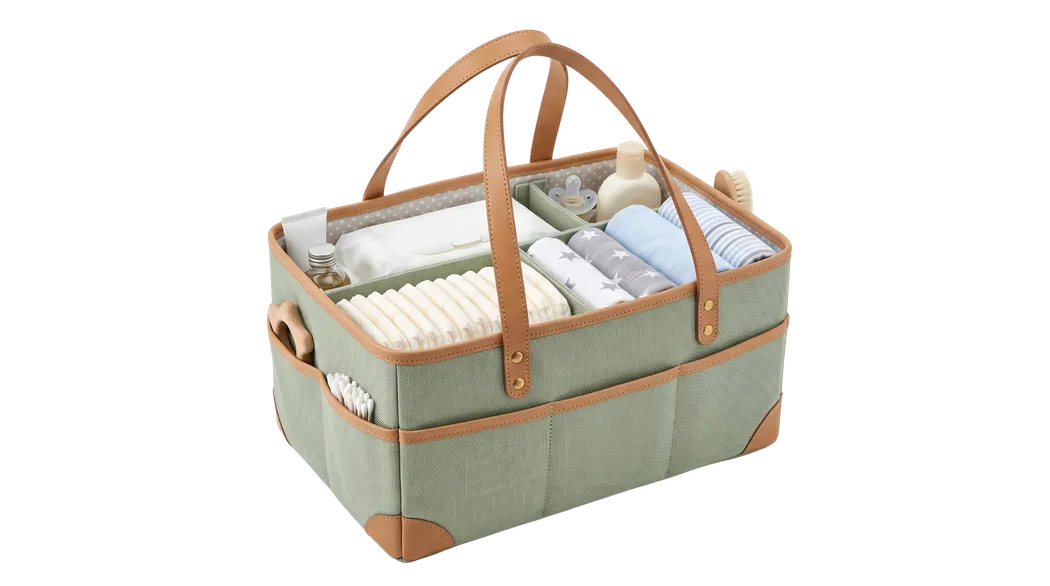
Learn how to choose and organise a diaper caddy, including essential changing supplies, useful features, storage tips and safe baby care practices.
Dr.Ezhilrasan
Keeping diaper-changing supplies within arm's reach is one of those small wins that makes early parenthood much less stressful. A diaper caddy solves a very specific problem: you need both hands on your baby at all times during a change, so everything else must be exactly where you left it. Whether it's 2 pm or 2 am, a well-stocked diaper caddy means fewer frantic searches and safer changes.
What Is a Diaper Caddy and Why You Need One?
A diaper caddy is a portable organiser designed to hold everything you need for a nappy change in one place. Think of it as a mobile station you can carry from the nursery to the living room to the bedroom without repacking anything.
Babies need changing 8 to 12 times a day in the newborn phase. Having a dedicated caddy means you are never running to another room while your baby lies unattended on the changing surface. It also helps caregivers and family members who step in, because they can find supplies without asking.
A baby diaper caddy is equally useful at night. Keeping one near your sleeping area cuts down the disruption of nighttime changes and helps your baby settle back to sleep faster.
Types of Diaper Caddies: Basket, Bag, and Portable Organisers
There is no single best design. The right type depends on how you live and where you spend most of your time with your baby.
Open baskets are the most popular choice for home use. They are easy to access with one hand, come in fabric or wicker, and sit neatly on a dresser or shelf. The downside is that items can shift around, and they offer no protection if tipped over.
Structured totes hold their shape, making them easier to carry from room to room. Some have lids that keep dust out. They work well as a nursery organiser for baby supplies when you want a tidier look on a shelf or countertop.
Compartmentalised organisers are the most practical for parents who move around a lot. A portable diaper caddy with divided sections keeps wipes separate from creams and diapers, so you spend less time digging. Many of these also double as a diaper bag organiser that slots inside a larger tote when you leave the house, which makes them genuinely versatile.
A quick comparison:
Type
Best for
Watch out for
Open basket
Home use, quick access
Items can slide around
Structured tote
Room-to-room portability
Bulkier to store
Compartmentalised organiser
On-the-go and travel use
Smaller overall capacity
What to Stock in Your Diaper Caddy?
A well-packed diaper caddy organiser holds only what you actually use. Overfilling makes items harder to find and the caddy too heavy to carry.
Core items to include:
4 to 6 diapers in the current size, replenished daily
A travel pack of unscented, alcohol-free wet wipes
A fragrance-free diaper rash barrier cream or ointment
A foldable, waterproof changing pad
Hand sanitiser or clean tissues for quick hand hygiene between changes
A spare onesie for blowouts
Optional but useful additions:
A small zip pouch for soiled clothes
Nappy disposal bags
A gentle moisturiser if your baby has dry or sensitive skin
If your baby is a newborn, keep supplies for newborn belly button care during diaper changes nearby until the umbilical stump falls off. The cord area needs to stay dry and clean at every change.
Restock the caddy at the same time each day, ideally after the last nighttime change, so you always start the morning fully prepared.
How to Choose the Right Diaper Caddy?
Focusing on a few practical criteria makes the choice much simpler.
Size and capacity. The caddy should hold at least 6 diapers plus your core essentials without becoming so bulky it is hard to move. Measure the surface where you plan to keep it before buying.
Material and washability. Babies make messes. Choose canvas, wipeable fabric, or a lined material that can be spot-cleaned or machine-washed. Avoid rough inner seams that could scratch product packaging or let liquids soak through.
Portability. A sturdy handle or carry strap matters more than it sounds. If you move between floors during the day, a comfortable handle makes a real difference. This is one area where a portable diaper caddy outperforms a plain open basket.
Compartments. A diaper caddy organizer with at least two to three sections keeps hygiene products away from diapers and reduces the chance of a cream lid popping open onto your wipes.
Stability. A flat, weighted base prevents tipping. This is especially important if you keep the caddy on an elevated surface like a changing table or dresser.
Ease of cleaning. Look for smooth interior lining rather than fabric pockets that trap moisture. If you can wipe the inside clean in under a minute, you will actually do it.
Diaper Rash and Skin Care: When to Consult a Doctor
Diaper rash is extremely common and usually clears within a few days with consistent hygiene and a barrier cream. The most frequent causes are prolonged moisture, friction from the diaper, and infrequent changes.
Who should not use over-the-counter rash creams without medical advice:
Babies under 4 weeks old, unless a doctor has recommended a specific product
Babies with broken or bleeding skin in the nappy area
Babies with a suspected fungal rash, which looks bright red with defined edges and small satellite spots. Standard barrier creams will not treat this and may make it worse
Babies with a known allergy to any ingredient in a cream
Report adverse events to your healthcare provider or the relevant regulatory authority.
See a doctor if:
The rash does not improve after 2 to 3 days of home care
The skin is blistering, weeping, or bleeding
Your baby develops a fever alongside the rash
The rash spreads beyond the nappy area
Do not apply talcum powder to the rash or anywhere in the nappy area. Powder inhalation is a respiratory risk for infants.
Safety and Hygiene Tips for Diaper Changing Stations
A clean changing station protects your baby from infection and keeps your home organised.
Wash hands with soap and water for at least 20 seconds before and after every change. Hand sanitiser is a backup, not a replacement.
Wipe the changing pad surface with a baby-safe disinfectant after every soiled change. Let it dry completely before the next use.
Store the diaper caddy out of your baby's reach once they start rolling or grabbing. Creams, sanitiser, and disposal bags are all choking or ingestion hazards.
Replace wipes if the pack has been open for more than a few days, as they can dry out or grow bacteria.
Wash fabric caddies at least once a week, or immediately after a significant leak. A nursery organiser for baby use that cannot be cleaned easily is more of a liability than a convenience.
Never leave your baby unattended on a raised changing surface, even for a second.
Conclusion
A well-organised diaper caddy can make diaper changes more convenient by keeping essential supplies within easy reach. Choose a caddy that is sturdy, easy to clean and spacious enough for your baby’s changing needs. Organise diapers, wipes, creams and spare clothes in separate sections for quick access, and restock regularly. Always keep one hand on your baby during changes, and never leave them unattended on an elevated surface.
FAQS
What is a diaper caddy used for?
A diaper caddy is a portable organiser that keeps all your diaper-changing essentials, such as diapers, wipes, and rash cream, in one accessible place. It saves time during changes by putting everything within arm's reach so you never have to leave your baby unattended.
How many diapers should I keep in a diaper caddy?
4 to 6 diapers is a practical amount for most caddies. Restock daily so you are never caught short, especially overnight.
Can I make a DIY diaper caddy at home?
Yes. A clean fabric basket, a repurposed magazine holder, or even a small storage bin with dividers can work well. The key is that it must be easy to wipe clean, stable enough not to tip, and within your reach but out of your baby's reach.
What is the difference between a diaper caddy and a diaper bag?
A diaper caddy is designed for home use and stays in a fixed area or moves between rooms. A diaper bag organiser is built for outings, with compartments sized for travel and features like insulated pockets. Some portable organisers can serve both purposes, but they are not identical products.
When should I consult a doctor about diaper rash?
See a doctor if the rash does not improve within 2 to 3 days of home care, if the skin is broken or bleeding, if your baby has a fever, or if the rash looks bright red with defined edges suggesting a fungal cause. Never attempt to treat a worsening rash without professional guidance.