logo
0

Diaper Caddy Guide: Nursery Organisation for New Parents

Learn how to organise a diaper caddy, set up a changing table, store baby essentials, manage diaper supplies, and maintain newborn skin hygiene.

article image

Dr.Rohini priyanaka

Bringing a newborn home means frequent diaper changes, day and night. A well-chosen diaper caddy keeps everything within arm's reach, so you spend less time hunting for wipes and more time caring for your baby. For new and expecting parents working through nursery organisation ideas, the right caddy setup can genuinely simplify those early, exhausting weeks.

What Is a Diaper Caddy and Why You Need One

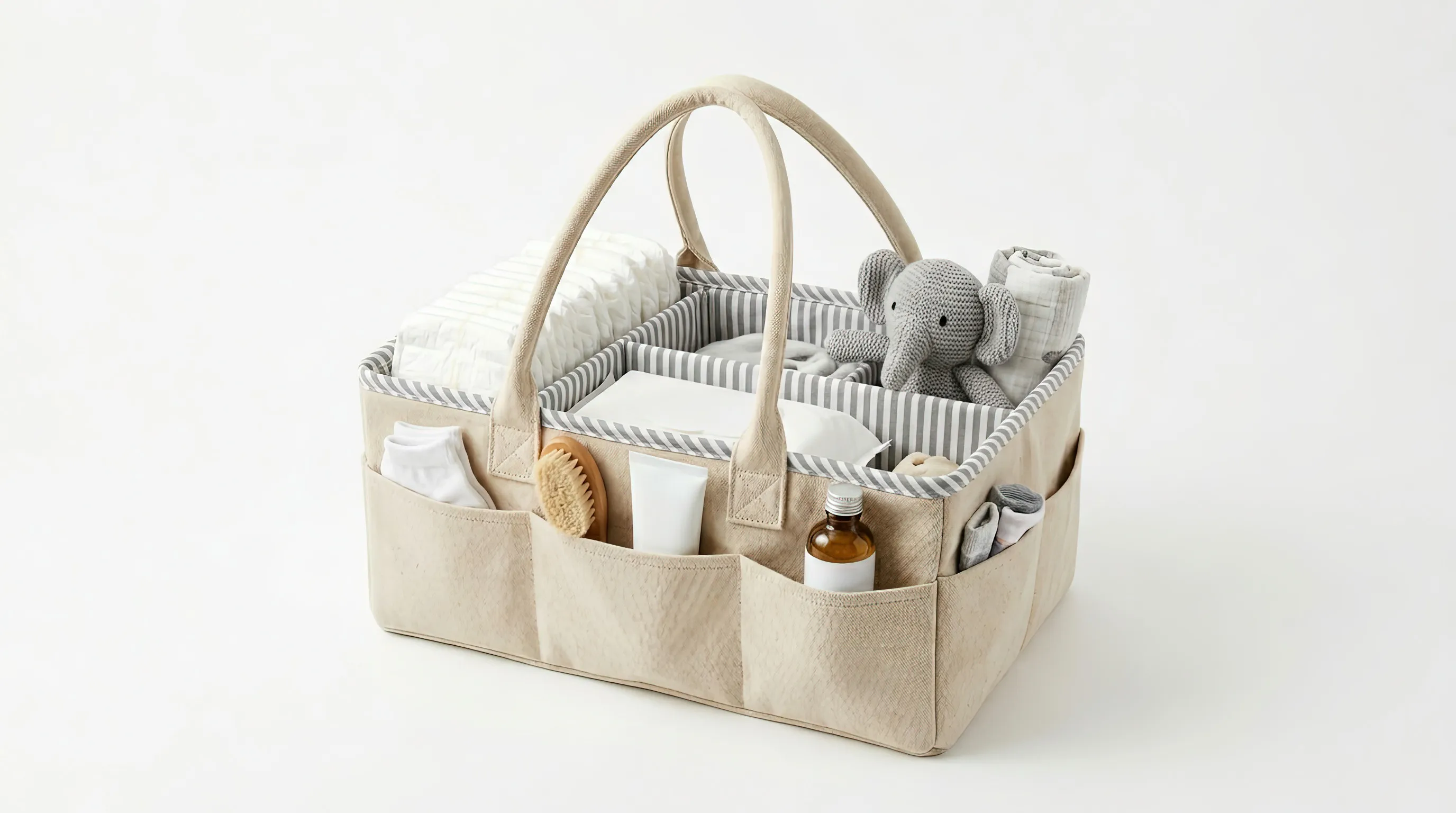
A diaper caddy is a portable storage bin or basket designed to hold diapers, wipes, creams, and other essentials in one compact unit. Unlike a fixed drawer system, it moves with you. Carry it from the nursery to the bedroom at night or keep it near the sofa for daytime changes without trekking across the house.

For new parents, that portability matters more than it sounds. Newborns need frequent changes, and the seconds saved not searching for a fresh diaper add up quickly, especially during a 3 a.m. change.

A diaper caddy organiser also reduces clutter. Supplies stay grouped, creams do not roll behind the changing pad, and you always know when stock is running low.

Setting Up a Diaper Changing Table for Easy Access

A thoughtful diaper changing table setup makes every change faster and calmer. Start with placement: position the table against a wall, away from windows, heaters, and ceiling fans. Natural light helps, but avoid direct sunlight.

Safety basics to follow every time:

  • Use the safety strap across your baby's waist, even if you are only reaching for something nearby.
  • Never leave your baby unattended on the table, even before rolling starts.
  • Place a non-slip mat under the changing pad if the table surface is smooth.

Keep supplies within one arm's reach. Diapers, wipes, barrier cream, and a spare outfit should all be accessible without stepping away. This is exactly where your diaper caddy organiser earns its place, sitting on or beside the table at counter height.

Use any shelves below the table for backup stock rather than everyday items. The top surface should stay clear except for the pad and the caddy. In the early weeks, pay attention to newborn belly button care during diaper changes until the umbilical cord stump falls off naturally.

Choosing the Right Caddy Storage System

Among the many nursery organisation ideas parents explore, the caddy storage system is one of the most practical decisions. There are three main types.

TypeBest ForKey Features
Basket caddyChanging tables, open shelvesLightweight, portable, easy to restock
Cart with wheelsLarger nurseriesMultiple tiers, higher capacity
Hanging organiserCrib rails or door hooksSpace-saving, suits smaller rooms

When evaluating a diaper caddy organiser, look for:

  • Enough compartments to separate diapers from creams and wipes so they stay uncontaminated.
  • A sturdy base that does not tip when you reach in one-handed.
  • Washable material, because leaks are inevitable.
  • Comfortable handles for carrying with one arm while the other holds the baby.

A portable diaper caddy with a central open section for diapers and smaller side pockets for wipes and ointments suits most families well. If your home has more than one floor, two smaller caddies, one per level, is often more practical than a single large one.

Efficient Diaper Management: Stock, Rotation, Disposal

Good baby diaper storage is less about quantity and more about organisation.

  • Stock rotation by size: Babies may move to the next diaper size quickly as their weight and fit change. Keep the current size at the front of the caddy and the next size behind or below. Check the fit weekly. Red marks on the thighs or waistband signal it is time to size up.
  • Stock quantity: Newborns may use around 8 to 12 diapers per day. A two-week supply at home gives a comfortable buffer. Avoid overstocking a single size since babies grow faster than the supply runs out.
  • Disposal hygiene: A dedicated nappy disposal bin with a sealed lid keeps odours contained and limits bacterial spread. Empty it daily. If the bin uses scented bags, choose a mild fragrance as strong scents can irritate a newborn's airways.

Diaper management tips for preventing rash:

  • Change diapers promptly: Change diapers promptly after soiling. Prolonged moisture contact can contribute to diaper rash.
  • Air-dry the skin: Allow a brief air-dry period before fastening a fresh diaper.
  • Wipe front to back: Always wipe front to back, particularly for girls, to reduce infection risk.

These diaper management tips are simple but consistently effective.

Hygiene and Skin Care Essentials to Keep in Your Caddy

Your caddy should hold more than just diapers. As part of any practical diaper changing table setup, these skin-care essentials belong within easy reach.

  • Baby wipes: Unscented, alcohol-free baby wipes for cleaning the nappy area without irritating sensitive skin.
  • Barrier cream: A zinc oxide or petroleum-based barrier cream to help protect the skin from moisture and irritation.
  • Hand hygiene: Hand sanitiser or close access to a sink; wash hands before and after every change.
  • Spare clothing: A spare vest or sleepsuit for blowouts.
  • Waterproof change mat: A waterproof change mat if changes happen away from the padded table.
     

When to consult a paediatrician:

Mild redness may improve with basic diaper care. Seek medical advice if you notice:

  • Spreading or persistent rash: Rash spreading beyond the nappy area or lasting more than three days despite basic care.
  • Blistering or broken skin: Blistering, weeping, or broken skin.
  • Possible fungal infection: Bright red patches with a sharply defined border and small satellite spots, which may suggest a fungal infection.
  • Fever: Fever alongside a rash.

Do not apply steroid creams, antifungal preparations, or any prescription product without medical guidance.

Contraindications and caution: Avoid products containing boric acid on newborn skin unless specifically recommended by a healthcare professional. Avoid talcum powder near infants because inhaled talc can cause serious lung problems. If your baby has known skin conditions such as eczema, ask a paediatrician before introducing any new topical product.

Report adverse events related to any skincare product or medical device to your healthcare provider or the relevant regulatory authority.

Conclusion

A well-organised diaper caddy keeps diapers, wipes, creams, and other changing essentials within easy reach, making daily diaper changes more convenient for new parents. Choose a caddy that fits your space and needs, keep supplies organised and restocked, and rotate diaper sizes as your baby grows. With a practical changing station and good hygiene habits, you can make diaper care simpler while keeping your baby comfortable and safe.

FAQs

What is a diaper caddy used for?

A diaper caddy is a portable organiser that keeps diapers, wipes, creams, and other essentials grouped together in one easy-to-carry unit. It lets you set up a complete changing station anywhere in the home without running back to the nursery.

How do I organise a diaper caddy?

Place diapers flat in the central section and put wipes, barrier cream, hand sanitiser, and a spare outfit in the smaller side compartments. Restock it every evening so it is always ready for overnight changes.

How often should I change a newborn's diaper?

Newborns may need around 8 to 12 changes per day. Change the diaper promptly after each soiling to protect the skin and reduce the risk of rash.

What are signs of diaper rash that need medical attention?

See a paediatrician if the rash lasts more than three days, spreads beyond the nappy area, blisters, or is accompanied by fever. A bright red rash with a defined border and satellite spots may indicate a fungal infection requiring treatment.

Can a diaper caddy be used for older babies too?

Yes. As babies grow, simply swap out the smaller newborn diapers for the correct size and replace newborn-specific creams with products suited to older skin. The caddy remains useful through toddlerhood for anyone working on potty training too.

Apollo 247 Floating Action Button