logo
0

Diaper Changing Pad Guide: Must-Have Baby Care Essentials

Learn about diaper changing pads and essential baby-care accessories, including changing supplies, hygiene products, storage, portability, cleaning, and safety tips.

article image

Dr.J.T.Hema Prathima

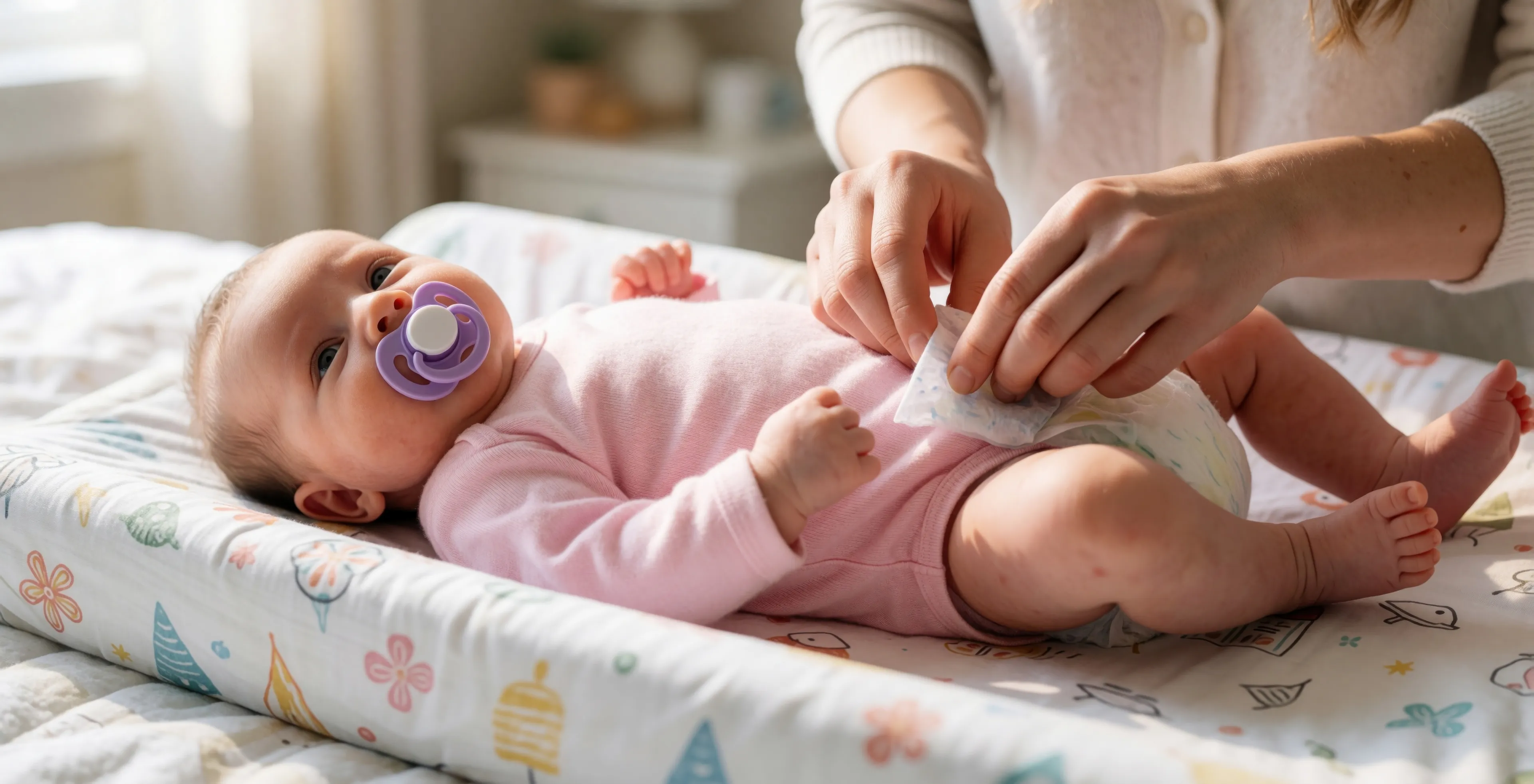
Caring for a newborn involves dozens of small decisions, and choosing a diaper changing pad is one that directly affects your baby's comfort and your daily routine. A good pad gives your baby a clean, cushioned surface for every change while protecting your furniture and making mess easier to manage. For new parents especially, the right setup can turn one of the most frequent tasks of the day into something calm and manageable.

What Is a Diaper Changing Pad and Why It Matters?

A diaper changing pad is a padded, wipe-clean surface designed specifically for diaper changes. Most are made with foam or inflatable chambers covered by a waterproof material that can be wiped down quickly or removed for washing.

Changing a baby on a bare floor, bed, or countertop creates real problems: surfaces are hard, cold, and difficult to sanitise after a leak. A dedicated pad keeps your baby warm and comfortable, reduces the risk of rolling off an uneven surface, and concentrates any mess in one easy-to-clean spot. Over dozens of daily changes in the newborn stage, that convenience adds up fast.

Types of Diaper Changing Pads

Picking the right type starts with understanding what each style is built for.

  • Foam contoured pads are the most common home option. Raised edges on both sides gently cradle your baby, making accidental rolls less likely. These sit well on a changing table or dresser top.
  • Flat foam pads are thinner and lighter. They work on any flat surface and are easy to store when not in use.
  • Portable changing pads fold or roll into a compact size that slips into a diaper bag. Many include a built-in pocket for wipes and a spare diaper, making them a neat travel solution.
  • Inflatable pads pack down to almost nothing but need a pump or breath to inflate before use. Good for occasional travel, less practical at home.

Cover type matters too. Some pads come with a removable, machine-washable fabric cover, which is worth having for comfort and easier laundry. Others have a wipeable vinyl surface that cleans quickly but can feel cold against bare skin. Many parents keep one washable cover in use and a spare in the wash.

How to Choose the Right Changing Pad?

These are the practical criteria that make the biggest difference:

  • Size: the pad should be long enough for your baby through the first year or so. Most standard home pads measure roughly 76 to 84 cm in length.
  • Safety straps: a built-in strap across the middle is a useful backup, though it should never replace keeping one hand on your baby at all times.
  • Waterproof surface: a fully waterproof or wipeable cover is non-negotiable. Fabric-only covers absorb mess and take far longer to dry.
  • Ease of cleaning: removable, machine-washable covers save time. If the cover is sewn on, check that the material dries quickly.
  • Portability: if you travel often or want a pad in more than one room, a lightweight foldable baby changing mat makes more sense than a heavy contoured model.
  • Non-slip base: the bottom of the pad should grip the surface it sits on. A pad that slides when your baby squirms is a safety risk.

Essential Diaper Changing Accessories

A diaper changing pad works best as part of a broader setup. These are the items worth keeping within arm's reach at all times.
 

Accessory    Why it helps
Baby wipes (fragrance-free)Gentler on newborn skin; hypoallergenic formulas reduce irritation
Diaper rash creamBarrier cream protects skin from moisture at each change
Diaper caddy or organiserKeeps all supplies together so you never leave baby unattended
Scented disposal bagsSeal soiled diapers quickly and reduce odour
Spare pad covers    One in use, one in the wash keeps the station always ready
Changing table or dresserRaised edges and under-shelf storage keep diaper changing accessories organised

Applying a thin layer of diaper rash cream at each change is a simple habit that makes a real difference for babies prone to redness. If you are learning how to change a diaper for the first time, having every item lined up before you lift your baby onto the pad is the single most useful habit to build.

Safety and Hygiene Tips During Diaper Changes

Safe, hygienic changes come down to a few consistent habits:

  • Never leave your baby unattended on the pad, even for a moment. Falls from changing height can cause serious injury.
  • Wash your hands before and after every change with soap and water for at least 20 seconds.
  • Wipe the pad surface with a baby-safe disinfectant spray after any leaks. Launder washable covers at least once a week under normal use, and more often after blowouts.
  • Wipe front to back for girls to reduce the risk of bacterial transfer.
  • Let your baby's skin air-dry briefly before applying diaper rash cream and fastening a clean diaper. Moisture trapped against the skin is a common rash trigger.
  • Check the skin at every change. Mild redness that clears within a day or two is common; persistent or worsening redness needs attention.

When to Consult a Doctor: Skin and Health Concerns

Most diaper rashes are mild and clear within two to three days with good hygiene and a barrier cream. See your doctor if the rash is spreading, blistering, weeping, or has not improved after a few days. Bright red skin, pimples, or a rash around the skin folds can sometimes indicate a fungal or bacterial infection that needs treatment beyond a standard barrier cream.

For newborns, the area around the umbilical stump needs extra care during changes. Learn more about how to care for your newborn's belly button to avoid irritation or infection in those early weeks.

If your baby develops a fever alongside a rash, or if the skin looks raw and broken, seek medical advice promptly rather than waiting.

Contraindications and Precautions for Baby Skin Products

Diaper rash creams and barrier products are generally safe for most infants, but there are important precautions to keep in mind.

  • Do not apply any cream or ointment to broken, infected, or blistering skin without medical advice. Applying a product to compromised skin can worsen irritation or trap an infection.
  • Some babies have sensitivities to fragrances, preservatives, or lanolin. If you notice increased redness or swelling after introducing a new product, stop using it and consult your paediatrician.
  • Avoid products containing boric acid, camphor, or phenol on infant skin. Check ingredient lists carefully, particularly with products not specifically labelled for babies.
  • Baby wipes marketed as "gentle" may still contain alcohol or fragrance. Patch-test a new brand on a small area of skin before switching fully.
  • Report adverse events to your healthcare provider or the relevant regulatory authority.

Conclusion

A diaper changing pad and essential accessories can make diaper changes more organised, comfortable, and hygienic at home or while travelling. Parents can consider factors such as the pad's size, firmness, surface material, portability, ease of cleaning, and compatibility with the changing area. Useful accessories may include diapers, wipes or a soft cloth, barrier cream, spare clothes, waste bags, and hand-cleaning supplies, depending on the baby's needs and the setting. Safety remains important, and babies should never be left unattended on a changing pad, even for a moment. The changing surface should be stable and secure, and all supplies should be kept within reach before starting the diaper change. Regular cleaning and appropriate storage of accessories can also support good hygiene and everyday convenience.

FAQS

How often should a diaper changing pad be cleaned?

Wipe the pad surface with a baby-safe disinfectant spray after every change involving a leak or blowout. Launder removable fabric covers at least once a week under normal use. A quick wipe-down after every change is good practice even when there is no visible soiling.

Can I use a regular towel instead of a changing pad?

A towel can work in a pinch but lacks the waterproof surface and raised edges that make a baby changing mat safer and more hygienic. Towels absorb moisture rather than containing it, and they offer no grip or cushioning comparable to a proper foam pad.

Is a portable changing pad necessary for travel?

Not strictly necessary, but very practical. A portable changing pad gives you a clean, familiar surface in public restrooms or at relatives' homes, and it folds small enough to fit in most diaper bags. Many parents find it reduces stress considerably when travelling with a young baby.

What age can babies use a changing pad?

A changing pad can be used from birth. Most standard pads accommodate babies comfortably up to around 18 to 24 months, or until your child is reliably standing and mobile enough that lying still for a change becomes difficult.

How do I treat diaper rash at home?

Keep the area clean and dry, allow brief nappy-free time to let skin breathe, and apply a zinc oxide or petroleum-based barrier cream at each change. If the rash does not improve within two to three days or looks infected, see your doctor.

Apollo 247 Floating Action Button