logo
0

Diaper Changing Pad: How to Choose & Set Up Safely

Learn how to choose and position a diaper changing pad safely, organise changing supplies and create a practical, ergonomic changing station for your baby.

article image

Dr. Ezhilrasan

A diaper changing pad provides a dedicated surface for changing your baby's diaper and organising essential supplies. Choosing an appropriate pad and setting it up safely can make frequent diaper changes more comfortable and convenient for both you and your baby.

Safety is the most important consideration when setting up a changing area. Babies can move or roll unexpectedly, even when they are very young, so a changing pad should always be used with close supervision. This guide explains what to look for when choosing a diaper changing pad, how to position it safely and how to organise a practical changing station.

What Is a Diaper Changing Pad and Why Does It Matter?

A diaper changing pad is a cushioned or padded surface designed for changing a baby's diaper. Many have a waterproof or wipe-clean surface that makes cleaning easier after urine, stool or skincare products come into contact with the pad.

A dedicated changing surface can also help you keep diapers, wipes and other supplies organised. However, the pad itself does not prevent falls. Safe positioning and continuous supervision are essential, particularly when the pad is placed above floor level.

How to Choose the Right Diaper Changing Pad?

When choosing a changing pad, consider the available space, the surface where you plan to use it and the manufacturer's safety instructions.

Size and Diaper Changing Pad Dimensions

Changing pads are available in different sizes and shapes. There is no single standard dimension that will suit every changing table or home.

Before buying, measure the surface where you intend to use the pad. The pad should fit securely without extending beyond the edges of the furniture.

If the manufacturer specifies particular dimensions or a compatible changing table, follow those instructions. Do not use a pad that is too large, too small or unstable on the intended surface.

Material and Cover

Look for a pad made from durable materials that can be cleaned according to the manufacturer's instructions.

Useful features may include:

  • Water-resistant or waterproof surface: This makes cleaning easier after spills and diaper changes.
  • Wipe-clean material: A smooth surface can be easier to clean than absorbent fabric.
  • Removable washable cover: If you prefer a fabric cover, choose one that fits securely and can be washed according to the manufacturer's instructions.
  • Firm construction: The pad should retain its shape and not become unstable during use.
  • Secure fit: The pad should remain stable on its intended surface.

Avoid loose covers, damaged pads or products with exposed foam, torn seams or other defects.

Contoured vs Flat: Which Changing Pad Is Suitable for a Newborn?

Contoured and flat changing pads are both available. A contoured pad may have raised sides that help position your baby towards the centre of the pad, while a flat pad provides a simple surface that can be used on the floor or another suitable location.

Neither design should be considered a substitute for supervision. Raised sides do not prevent a baby from falling, and a safety strap should not be relied upon to restrain a moving baby.

When choosing a changing pad for a newborn, focus on a stable, appropriately sized product that is suitable for the intended surface and can be cleaned easily.

Safety Strap

Some changing pads designed for use on changing tables or other elevated surfaces include a safety strap. If your pad has one, use it according to the manufacturer's instructions.

A safety strap is an additional safety measure, not a replacement for active supervision. Keep one hand on your baby whenever they are on an elevated changing surface.

If you need to reach something that is outside your immediate reach, take your baby with you or ask another adult to assist.

How Should You Position a Diaper Changing Pad Safely?

Where and how you position the pad is an important part of changing-area safety.

  • Use a stable surface: Place the pad only on a firm, level surface that is suitable for the product.
  • Follow the manufacturer's instructions: Some pads are designed for specific furniture or require particular attachment methods.
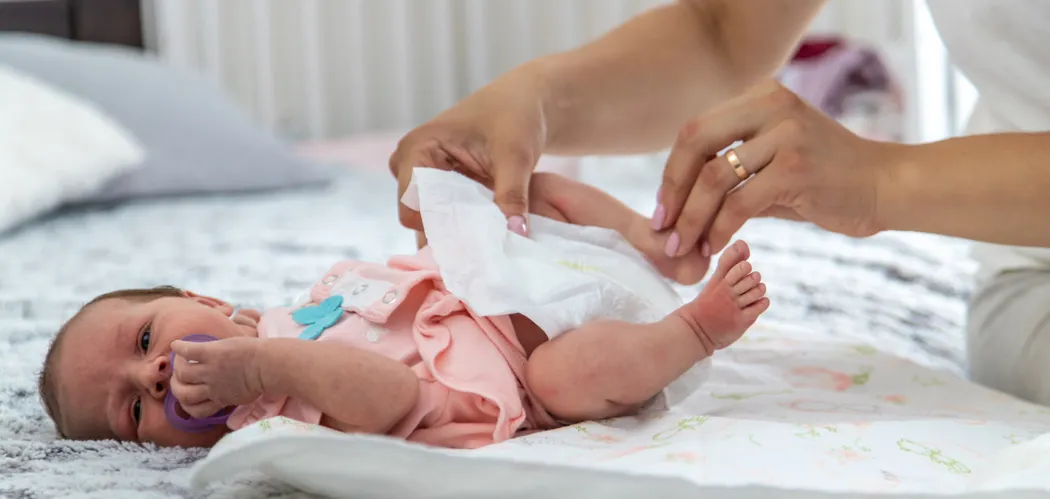
  • Avoid unstable furniture: Do not place a changing pad on a surface that rocks, shifts or has an uneven top.
  • Keep the pad away from edges: Make sure the pad is positioned securely on the intended surface without unsafe overhang.
  • Keep supplies within reach: Place diapers, wipes and other frequently used items where you can reach them without leaving your baby unattended.
  • Stay with your baby: Never leave your baby alone on a changing pad, even for a few seconds.

A floor-level changing pad can eliminate the risk of a fall from an elevated surface, although you should still supervise your baby and keep the surrounding area safe.

Is It Safe to Use a Changing Pad on a Table?

A changing pad can be used on a table or changing unit only when the product and furniture are designed for that purpose, and the setup is stable.

Follow the manufacturer's instructions for securing the pad and observe the stated weight and age limits. Never assume that a changing pad can safely be placed on any dresser, table or other elevated surface.

If you have any doubt about the stability of the setup, use a suitable floor-level changing surface instead.

How Should You Organise Supplies Around the Changing Station?

An organised changing station can make diaper changes easier while helping you keep one hand available to supervise your baby.

Consider keeping the following within easy reach:

  • Diapers: Store enough clean diapers for routine changes.
  • Wipes or cotton pads: Keep suitable cleaning supplies close to the changing surface.
  • Barrier cream: Keep any cream you regularly use where you can reach it easily.
  • Changing mat or liner: Keep a clean replacement available if the surface becomes soiled.
  • Spare clothes: Store at least one clean outfit nearby for unexpected spills or soiling.
  • Waste bags or bin: Keep an appropriate disposal system nearby, but out of your baby's reach.

Avoid placing unnecessary objects on the changing surface. Small items, medicines and other potentially harmful products should be stored safely away from your baby.

A changing station does not need to be elaborate. The aim is to keep essential supplies organised and accessible without requiring you to turn away from your baby.

How Can You Create an Ergonomic Baby Changing Station?

Frequent diaper changes can place strain on your back, neck and shoulders if you repeatedly bend or reach awkwardly. A comfortable setup can make these tasks easier.

What Height Should a Changing Table Be?

There is no single ideal height for every caregiver. Choose a changing surface that allows you to stand comfortably without repeatedly bending excessively.

If more than one caregiver uses the station, consider the different heights of the people who will use it regularly. An adjustable setup may be useful when available.

Your baby's safety should take priority over achieving a particular working height. If an elevated changing surface is uncomfortable or difficult to use safely, a suitable floor-level changing area may be a practical alternative.

Floor Mats and Posture Tips

A floor-level changing mat can be useful in homes with limited space and during travel. It also avoids the fall risk associated with an elevated changing surface.

For an elevated changing station:

  • Stand close to the changing surface: This reduces unnecessary reaching.
  • Keep frequently used supplies nearby: Arrange them so you do not need to stretch across the room.
  • Avoid prolonged bending: Adjust the setup if you repeatedly have to bend or hunch over.
  • Change position when needed: If you are experiencing discomfort, take short breaks and adjust your posture.

If you have an existing back or mobility problem that makes diaper changes difficult, ask a healthcare professional or physiotherapist about safe techniques suited to your circumstances.

How Should You Clean a Diaper Changing Pad?

Good cleaning practices help keep the changing area hygienic.

Clean the pad whenever it becomes visibly soiled and follow the manufacturer's instructions for routine cleaning. If stool or urine has contaminated the surface, remove the soiling first and clean the area thoroughly before the next use.

If the pad has a removable cover, wash it according to the manufacturer's instructions and replace it when it becomes heavily soiled or damaged.

Avoid mixing cleaning products or using harsh chemicals that could damage the pad or leave residues that may irritate your baby's skin.

During diaper changes, clean your baby's skin gently with suitable wipes or lukewarm water and a soft cloth or cotton pad. Pat the area dry rather than rubbing it.

If your newborn still has an umbilical cord stump, take care not to rub or unnecessarily wet the area during diaper changes. For more information, read how to care for a newborn's belly button during diaper changes.

How Can You Protect Your Baby's Skin During Diaper Changes?

Frequent diaper changes provide an opportunity to check your baby's skin for redness, irritation or broken areas.

  • Change diapers regularly: Change soiled diapers promptly and wet diapers regularly.
  • Clean gently: Avoid vigorous rubbing, particularly if the skin is already irritated.
  • Keep the skin dry: Gently pat the diaper area dry before putting on a fresh diaper.
  • Use a barrier cream when appropriate: A suitable barrier cream can help protect the skin from moisture and friction.
  • Avoid unnecessary products: Do not apply perfumed products, talcum powder or medicated creams unless recommended by a healthcare professional.
  • Watch for persistent irritation: If redness or a rash does not improve with appropriate skin care, seek medical advice.

Most mild diaper-area irritation can be managed with gentle skin care, but some rashes need assessment and specific treatment.

When Should You Consult a Doctor About a Diaper Rash or Wound?

Consult your doctor if your baby's diaper-area rash:

  • Does not improve: The irritation persists despite regular diaper changes and appropriate skin care.
  • Spreads: The rash extends beyond the area normally covered by the diaper.
  • Becomes severe: The skin is very inflamed, raw, cracked or bleeding.
  • Develops blisters: Blisters or unusual fluid-filled lesions appear.
  • Shows signs of infection: There is pus, discharge, marked swelling, yellow crusting or rapidly spreading redness.
  • Occurs with other symptoms: Your baby has a fever, feeds poorly or appears unusually sleepy or unwell.

A diaper-area rash can have several causes, including irritation, contact reactions and infections. A healthcare professional can assess the skin and recommend appropriate treatment.

For guidance on minor cuts and wounds, see our guide to treating minor cuts and wounds. A wound that is deep, continues bleeding, is significantly contaminated or shows signs of infection should be assessed by a healthcare professional.

Conclusion

A good diaper changing pad should provide a stable, easy-to-clean surface that suits your home and your baby's needs. Size, material, fit, cleaning requirements and compatibility with the intended changing surface are all useful factors to consider.

Most importantly, no changing pad, raised edge or safety strap can replace active supervision. Keep everything you need within reach, maintain a safe and hygienic changing area and take your baby with you if you need to step away.

FAQS

What is the safest type of diaper changing pad?

There is no single design that is safest for every situation. Choose a changing pad that is appropriately sized, stable, easy to clean and suitable for the surface where it will be used. If it has a safety strap, use it according to the manufacturer's instructions, but never rely on it instead of active supervision.

How long can a baby use a changing pad?

The usable age and weight range depends on the individual product. Check the manufacturer's instructions and stop using the pad when your baby exceeds its stated limits or when the product becomes damaged. Do not continue using a pad simply because it still appears comfortable if it is outside its recommended limits.

Can I use a changing pad on a bed or floor?

A suitable changing pad can be used on the floor when the product is intended for that purpose. A bed is a soft and potentially unstable surface and may not be suitable for every changing pad. Follow the manufacturer's instructions and never leave your baby unattended on a bed or changing surface.

How do I clean a diaper changing pad?

Clean the pad whenever it becomes soiled and follow the manufacturer's cleaning instructions. Remove visible urine or stool and clean the surface thoroughly before the next use. If there is a removable cover, wash it according to the care instructions and replace damaged or heavily soiled covers.

Do I need a changing pad cover?

A changing pad cover is optional. It may provide a softer surface and can be useful if it is securely fitted and washable. A waterproof or wipe-clean pad can also be used without a fabric cover. If you use a cover, make sure it fits properly and does not create loose folds or movement around your baby.

Apollo 247 Floating Action Button