logo
0

Diaper Rash: Causes, Symptoms, and Treatment Options

Learn about diaper rash causes, symptoms, treatment options and prevention tips, including when to consult a paediatrician.

article image

Dr.Bhanu Prakash

Few things worry a new parent more than spotting an angry red patch on their baby's bottom. Diaper rash is one of the most common skin problems in infants, affecting most babies at least once before they are toilet-trained. Understanding what triggers it, how to recognise the signs, and which treatments actually work can spare your baby real discomfort and you a great deal of anxiety.

What Is Diaper Rash?

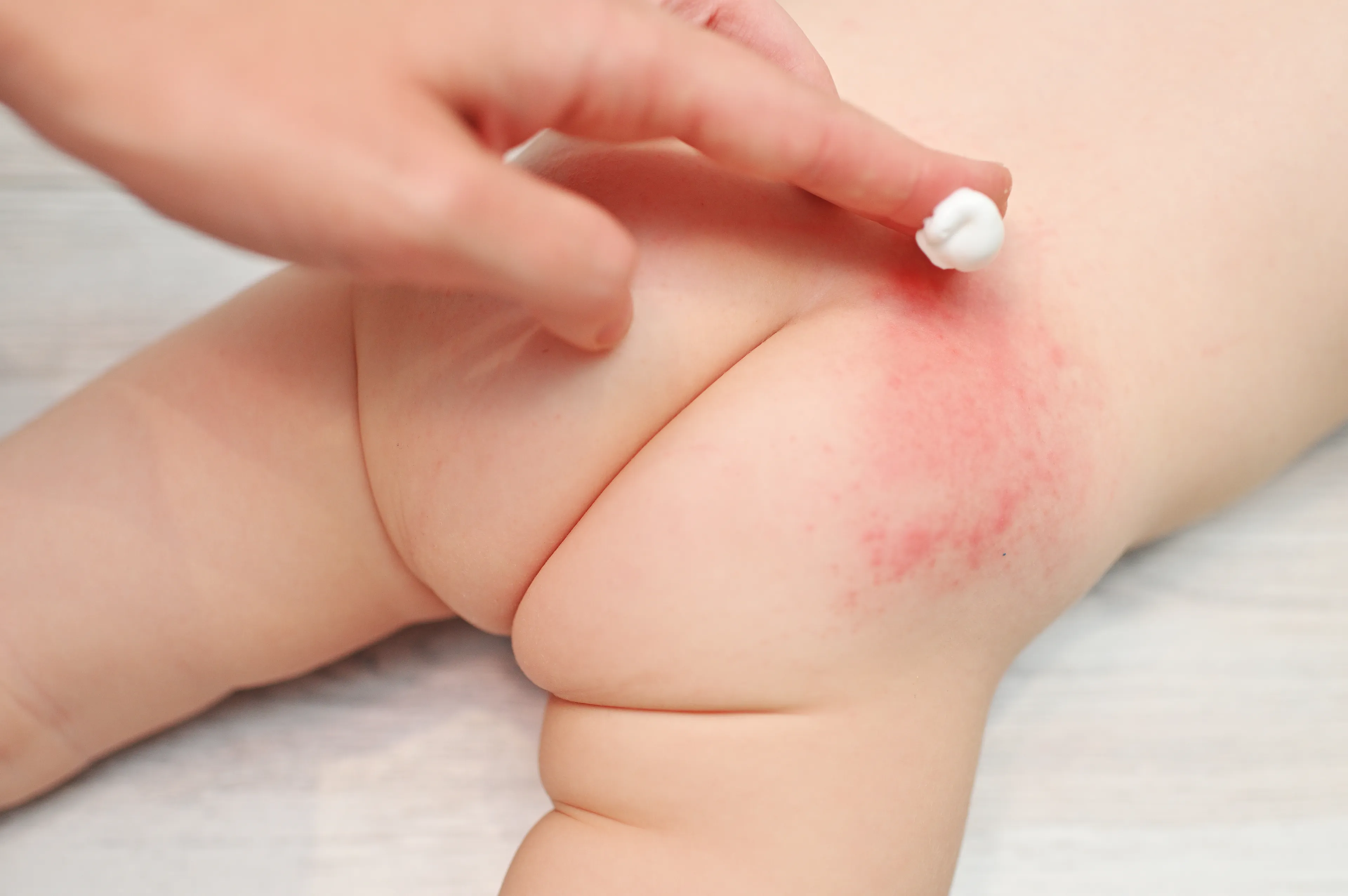
Diaper rash is a broad term for any skin irritation that develops in the area covered by a diaper. It typically appears as patches of red, inflamed skin on the buttocks, inner thighs, genitals, and the skin folds around the nappy line.

Mild cases look slightly pink and feel warm to the touch. More pronounced rashes can include small bumps, peeling skin, or areas that appear raw and tender. Babies usually fuss during diaper changes because the affected skin is sensitive.

Diaper rash is extremely common. It can occur throughout the diaper-wearing period, particularly when the skin is exposed to prolonged moisture, friction or irritants.

Diaper Rash Causes

Several things can trigger diaper rash, and more than one factor is often at play at the same time.

  • Prolonged moisture is the single biggest culprit. Urine and stool soften the skin and make it far more vulnerable to irritation and friction.
  • Friction from the diaper rubbing against delicate skin worsens irritation, especially around the thighs and waist.
  • Chemical irritants in disposable diapers, fragranced baby wipes, and some laundry detergents used on cloth diapers can all provoke a reaction.
  • A fungal infection, most commonly Candida albicans (thrush), can develop when a rash has persisted for more than two or three days. Candida rashes tend to be bright red with distinct edges and small satellite spots spreading outward.
  • Antibiotic use can disrupt the natural balance of microorganisms and may make fungal diaper rash more likely.

Introducing new solid foods also changes the composition and frequency of stools. Some foods may contribute to diaper rash in individual babies, but the effect varies, so a particular food should not automatically be assumed to be the cause of a rash.

Diaper Rash Symptoms: When to See a Doctor?

The classic diaper rash symptoms are redness, tenderness, and skin that looks irritated or raw in the diaper area. Your baby may cry during changes or when the area is touched.

Most mild rashes clear within a few days of home care. The following signs call for a prompt visit to your paediatrician:

  • The rash is worsening after two to three days of home treatment.
  • Blisters, open sores, or bleeding skin are present.
  • Yellow crusts or pustules have appeared, which may indicate a bacterial infection.
  • The rash has spread to the abdomen, back, or face.
  • Your baby develops a fever alongside the rash. Fever is not a typical feature of ordinary diaper rash; when it appears, it needs medical assessment.
  • Your baby seems unusually lethargic, is refusing feeds, or shows signs of significant distress. These are reasons to seek care promptly rather than waiting.

If the rash is bright red with satellite spots, your doctor may diagnose a Candida infection requiring antifungal treatment rather than a standard barrier cream alone.

Contraindications and Precautions

Not every cream or remedy is safe for every situation. Read this section carefully before reaching for a product.

  • Zinc oxide cream should not be applied to actively broken skin with open sores or bleeding without medical advice.
  • Do not use creams containing steroids on an infant's diaper area without specific medical advice. Prolonged or inappropriate use of topical steroids can thin delicate skin and cause other local side effects.
  • Avoid products containing camphor, boric acid, or phenol; these can be absorbed through infant skin and cause harm.
  • If your baby has previously reacted to a product with worsening redness, hives, or swelling, stop use immediately and consult a doctor.
  • A plain barrier cream alone is not sufficient for a suspected fungal infection. Your doctor may recommend an antifungal treatment if Candida is suspected.
  • Do not layer multiple topical treatments without guidance from your healthcare provider, particularly if a prescription cream is already in use.

For more on safe skin and wound care at home, see this guide on caring for minor skin wounds and irritation.

Report adverse events to your healthcare provider or the relevant regulatory authority.

Treatment Options: Zinc Oxide and Specialised Creams

Zinc oxide cream for diaper rash is a commonly recommended first-line option. It forms a physical barrier between the skin and moisture, allowing irritated skin to heal.

How to apply correctly:

  • Clean the diaper area gently with warm water and a soft cloth or an unscented wipe. Pat dry rather than rubbing.
  • Let the skin air-dry for one to two minutes before applying cream.
  • Apply a generous, thick layer, enough to visibly coat the skin.
  • At the next change, gently remove only the soiled outer layer. You do not need to scrub off all the zinc oxide before reapplying; aggressive cleaning can worsen irritation.

Zinc oxide concentrations vary between products, so check the product label rather than assuming that a higher concentration is always necessary.

For rashes that do not respond to a plain zinc oxide barrier cream within two to three days, a doctor may recommend:

  • An antifungal cream if Candida is suspected.
  • A mild prescription steroid combined with an antifungal for mixed inflammatory and fungal rashes, used only under medical supervision and for a limited time.

Petroleum jelly is another simple barrier option for very mild rashes, though it does not contain zinc oxide. Avoid talcum powder in the diaper area; inhaled particles pose a respiratory risk to infants.

How to Prevent Diaper Rash?

Good daily habits make a significant difference in how to prevent diaper rash from developing or returning.

  • Change diapers frequently, ideally as soon as they are wet or soiled. Do not leave a baby in a soiled diaper for extended periods.
  • Use warm water and a soft cloth to clean the diaper area at each change. If you use wipes, choose fragrance-free and alcohol-free options.
  • Allow the skin to air-dry briefly before fastening a fresh diaper.
  • Apply a thin layer of zinc oxide barrier cream at every change as a preventive measure if your baby is prone to rashes.
  • Choose diapers that fit well. One that is too tight traps moisture and increases friction.
  • If using cloth diapers, use a gentle, fragrance-free detergent and rinse thoroughly.

For broader guidance on keeping your newborn's skin healthy, the newborn skin and hygiene care guide covers several useful practices for new parents.

Conclusion

Diaper rash is common in babies and is often linked to moisture, friction and irritation in the diaper area. Regular diaper changes, gentle cleansing, thorough drying and appropriate barrier protection can help prevent and manage mild cases. If a rash does not improve, spreads, becomes painful or develops signs of infection, consult a paediatrician for appropriate treatment.

FAQS

How long does diaper rash take to heal?

A mild diaper rash may improve within a few days with consistent treatment and more frequent diaper changes. If the rash is not improving after a few days of home care, see your baby's doctor.

Is coconut oil good for diaper rash?

Coconut oil has mild moisturising properties and some parents find it helpful for very mild irritation, but it does not form the same physical barrier as a zinc oxide cream. It is not a substitute for a proper diaper rash cream when the skin is noticeably red or inflamed.

Can diaper rash spread to other body parts?

A standard irritant diaper rash usually stays confined to the diaper area. If you notice the rash spreading to the abdomen, thighs, or back, it could suggest a fungal or bacterial infection, or a separate skin condition, and warrants a paediatric assessment.

How often should I change a rash-prone baby's diaper?

For a baby with an active rash or one who gets rashes frequently, change the diaper promptly when it is wet or soiled, particularly after each bowel movement. Reducing time in contact with moisture is an important step in managing diaper rash.

Is diaper rash contagious?

Irritant diaper rash is not contagious. A Candida rash is caused by an overgrowth of yeast rather than ordinary person-to-person transmission, although good hand hygiene after diaper changes is still important.

Apollo 247 Floating Action Button