logo
0

Diaper Rash: Causes, Prevention & Treatment Guide for Babies

Learn about diaper rash causes, symptoms, prevention, treatment options, risk factors, and when your baby may need medical attention.

article image

Dr. Nallapu Siri

Diaper rash is one of the most common skin problems in the first two to three years of life, affecting a large proportion of infants at some point. For parents, a red and angry-looking bottom can feel alarming, but understanding what causes diaper rash, recognising diaper rash symptoms early, and knowing how to treat it safely can take much of the stress out of the situation. This guide covers mild redness through to signs of infection, along with practical steps you can start today.

What Is Diaper Rash?

Diaper rash (medically called diaper dermatitis) is inflammation of the skin in the nappy area, including the buttocks, genitals, and inner thighs. It typically appears as red, tender skin that may be slightly raised or have small spots, and feels warm to the touch. Babies often become fussy during nappy changes.

It is extremely common. Most babies will experience at least one episode, with frequency rising when solid foods are introduced and stool composition changes.

Not all rashes in the nappy area are the same:

  • Irritant diaper rash: This is the most common type and typically appears as flat pink-to-red patches on skin exposed to prolonged moisture or contact with urine and stool.
  • Fungal (Candida) rash: It often appears bright red with clearly defined edges and may have small satellite spots around the main rash. It can also involve the skin folds.
  • Allergic rash: This may develop after contact with a particular product, such as wipes, detergent, or a new cream, and can sometimes extend beyond the diaper area.

Causes and Risk Factors

Several factors can trigger or worsen diaper rash:

  • Prolonged moisture: Extended contact with urine or stool can weaken the skin barrier and make delicate skin more susceptible to irritation.
  • Friction: Rubbing between the diaper and sensitive skin can cause additional mechanical irritation.
  • Stool enzymes: Enzymes in stool can irritate the skin, particularly when stools are frequent or loose, such as during diarrhoea.
  • Urine and product irritants: Ammonia produced during urine breakdown, along with fragrances or other irritating ingredients in wipes and cloth-diaper detergents, may contribute to skin irritation.
  • Antibiotic use: Antibiotics may alter the normal microbial balance and can increase the risk of Candida overgrowth, while changes in bowel movements may also contribute to irritation.
  • Introduction of new foods: Starting complementary foods can change stool consistency and may increase the likelihood of diaper-area irritation in some babies.

Babies who are not changed frequently, who have sensitive skin, or who have a personal or family history of eczema tend to experience diaper rash more often.

Diaper Rash Symptoms: Mild vs. Needs a Doctor

Recognising diaper rash symptoms early helps you decide whether home care is enough or a doctor visit is needed.

Mild diaper rash typically looks like:

  • Pinkish-red skin confined to the nappy area
  • Slight puffiness or shininess of the skin surface
  • Fussiness only during changes, settling quickly otherwise

Most mild cases improve within a few days of consistent home care.

See a doctor if you notice:

  • Bright red, raw, or bleeding skin that is not improving
  • Pus, yellow crusting, or oozing, which suggests bacterial infection
  • Fever alongside the rash
  • The rash spreading beyond the nappy area or failing to respond after four to five days of home treatment
  • Satellite spots outside the main rash, a possible sign of fungal infection
  • A newborn under six weeks with any rash in this area

Blisters, open sores, or a baby who seems in pain even when not being changed all warrant a prompt call to your paediatrician.

Contraindications and Precautions

This section covers situations where certain products should not be used without medical guidance.

  • Topical steroid creams: Do not apply steroid creams to the nappy area without a doctor's advice. The skin in this area is delicate, and prolonged or inappropriate use can increase the risk of skin thinning and other side effects.
  • Known allergies: If your baby is allergic to ingredients such as lanolin, fragrances, or preservatives, check the product label carefully before use. A product labelled “baby-safe” may still contain an ingredient that triggers a reaction.
  • Broken or infected skin: Avoid applying creams to broken, oozing, or infected skin without medical advice. The appropriate treatment depends on the underlying cause of the rash.
  • Antifungal creams: Use antifungal creams or combination products containing an antifungal and steroid only when recommended by a healthcare professional after appropriate assessment.
  • Talcum powder: Avoid using talcum powder in the nappy area because loose powder can be inhaled by babies and does not provide the same protective barrier as an appropriate diaper rash cream.

Report adverse events to your healthcare provider or the relevant regulatory authority.

How to Prevent Diaper Rash

Consistent routine changes make the biggest difference in how to prevent diaper rash:

  • Change diapers frequently: Change your baby's diaper every two to three hours during the day and promptly after a bowel movement to minimise prolonged contact with moisture and stool.
  • Clean gently: Use plain warm water and a soft cloth or unscented, alcohol-free wipes. Always wipe from front to back, particularly for girls.
  • Dry the skin: Gently pat the area dry and allow it to air-dry for a minute or two before putting on a fresh diaper. Short periods of diaper-free time can also help keep the area dry.
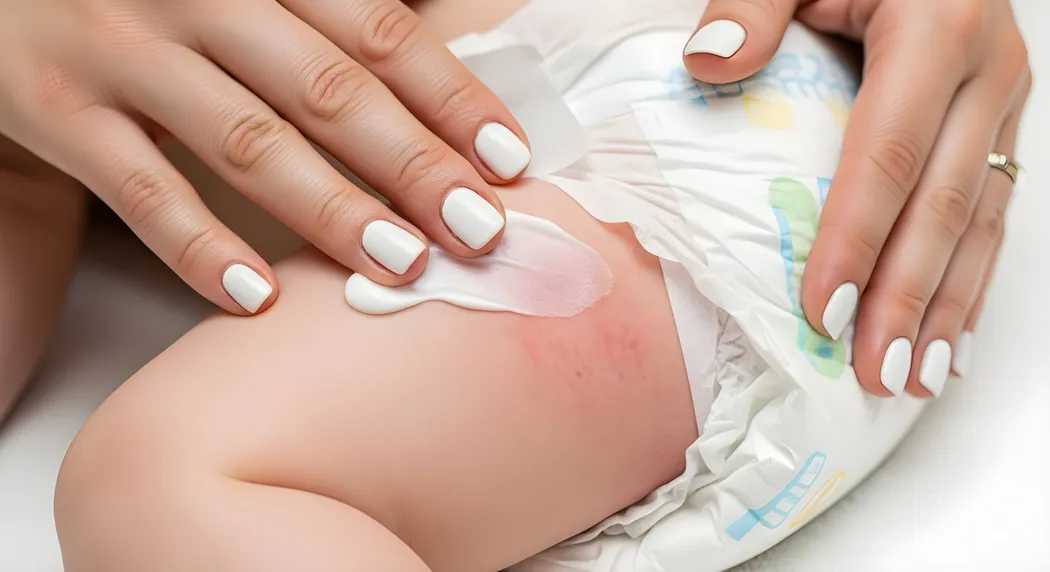
  • Use a barrier cream: Apply a thin layer of an appropriate barrier cream at each change to help protect the skin from moisture and irritants.
  • Choose the right fit: Avoid diapers that are too tight, as they can increase friction. Diapers that are too loose may allow urine or stool to come into greater contact with the skin.
  • Wash cloth nappies properly: If using cloth nappies, rinse them thoroughly to remove detergent residue and avoid fabric softeners, which can reduce absorbency and irritate sensitive skin.
  • During antibiotic treatment: Pay particular attention to frequent diaper changes and skin care during antibiotic treatment, as some babies may develop diarrhoea or Candida-associated diaper rash.

For broader guidance on protecting a newborn's delicate skin, see our article on newborn skin care basics.

Treatment Options

When treating diaper rash, simple barrier products can help protect irritated skin from further exposure to moisture and other irritants.

  • Zinc oxide barrier cream: Zinc oxide-based creams create a protective layer between the baby's skin and irritants such as urine and stool, helping protect the skin while the rash heals. Apply an appropriate layer at nappy changes as directed on the product label or by your healthcare professional.
  • Petrolatum: Plain white soft paraffin is another simple barrier option that helps protect the skin from moisture and irritants. It may be particularly suitable for young babies with sensitive skin when tolerated well.

These are the two ingredients to look for on any over-the-counter diaper rash cream label. Both are available from pharmacies without a prescription. When buying, choose fragrance-free, preservative-free formulations where possible.

Diaper Rash Home Remedies

A few diaper rash home remedies are reasonable to try alongside barrier creams:

  • Warm water rinses instead of wipes during a flare reduce additional irritation.
  • Brief exposure to air (nappy-free time) helps the skin dry naturally and recover faster.
  • Oatmeal baths can soothe inflamed skin, though evidence is mainly from broader dermatitis studies.

Avoid home remedies that involve strong oils, homemade pastes, or any ingredient you cannot verify is safe for infant skin.

When Home Treatment Is Not Enough

If the rash looks fungal (bright red with satellite spots, affecting skin folds), a doctor will typically prescribe an antifungal cream. Bacterial infections may need a topical or oral antibiotic. For minor skin wounds that develop from scratching or skin breakdown, treating minor skin wounds carefully before applying a barrier cream prevents secondary infection.

Do not combine treatment products without medical advice.

Prescribing Information and Safety

Over-the-counter zinc oxide and petrolatum creams can be used safely at home following the guidance above. Prescription products, including antifungal creams, topical steroids, and combination formulations, require a doctor's assessment before use.
Prescribing information for any medication should be read in full before use. If you notice any unexpected reaction after starting a new product, stop use and consult a healthcare professional promptly. Report adverse events to your healthcare provider or the relevant regulatory authority.

Conclusion

Diaper rash is common during infancy, but most mild cases can be managed with consistent nappy changes, gentle cleaning, thorough drying, and appropriate barrier protection. Zinc oxide and petrolatum can help shield irritated skin from moisture and other irritants while the skin heals. Avoid unnecessary or medicated products without professional advice, particularly steroid or antifungal preparations. If the rash is severe, spreading, blistered, oozing, associated with fever, or not improving with home care, consult your paediatrician for appropriate diagnosis and treatment.

FAQS

How long does diaper rash take to heal?

Mild diaper rash usually clears within two to three days of consistent barrier cream use and frequent nappy changes. More severe or infected rashes may take one to two weeks, particularly if antifungal or antibiotic treatment is needed. If the rash is not improving after five days, see a doctor.

Is coconut oil good for diaper rash?

Coconut oil has some mild moisturising and antimicrobial properties, and many parents use it safely as a light barrier. It is not as protective as zinc oxide cream for moderate rashes, so use it only for very mild redness and continue with a proper barrier cream if the rash persists.

Can diaper rash spread to other body parts?

Plain irritant diaper rash stays within the nappy area. A fungal (Candida) rash can spread to skin folds on the thighs and abdomen if not treated. Allergic reactions to wipes or creams may appear wherever the product was applied, sometimes beyond the nappy zone.

Does breastfeeding affect diaper rash risk?

Breastfed babies tend to have softer, less acidic stools, which may be slightly gentler on skin. However, diaper rash can occur regardless of feeding method. The strongest protective factor is frequent diaper changes and consistent barrier cream use, not feeding type.

What's the difference between diaper rash and a yeast infection?

Irritant diaper rash appears as flat pink or red patches mainly on the skin that touches the diaper, and usually spares the skin folds. A yeast (Candida) infection is brighter red, has well-defined raised edges, affects the skin folds, and has small red spots scattered around the main patch. Yeast infections need antifungal treatment; a barrier cream alone will not clear them.

Apollo 247 Floating Action Button