logo
0

Diaper Rash Cream: Causes, Prevention & Selection Guide

Learn about diaper rash creams, including causes, prevention, key ingredients, treatment options, safe use, application tips, and when to seek medical advice.

article image

Dr.Bhanu Prakash

Diaper rash is one of the most common concerns new parents face, and knowing when and how to use a diaper rash cream can make a real difference in how quickly a baby recovers. Most babies experience it at some point. While it looks alarming, it is usually manageable at home with the right products and habits. This guide covers why diaper rash happens, how to prevent it, and how to find the best cream for diaper rash based on what your baby actually needs.

What Is Diaper Rash?

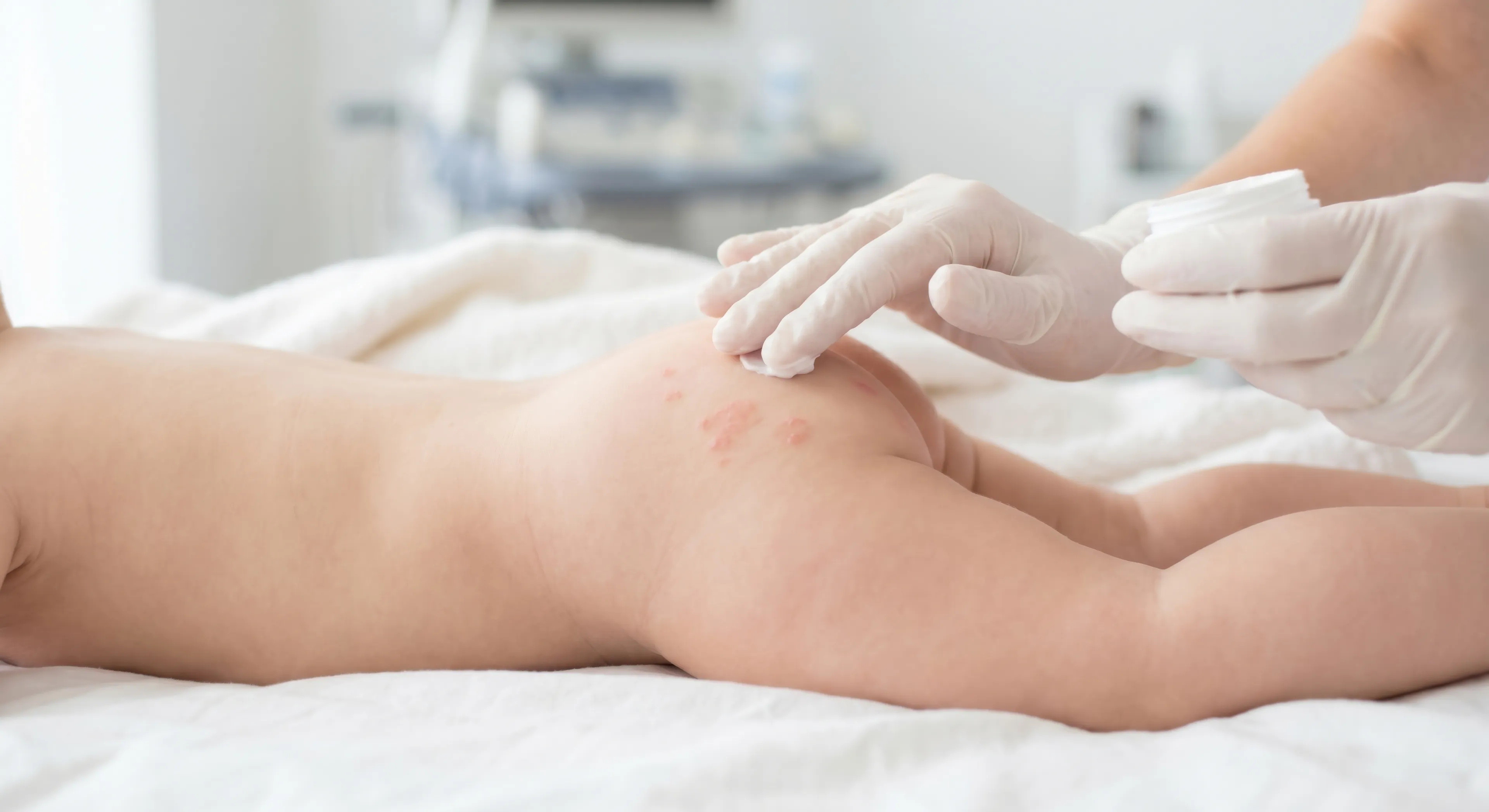
Diaper rash (medically called irritant diaper dermatitis) is inflammation of the skin in the diaper area, covering the bottom, genitals, and inner thighs. The skin typically looks red, tender, and slightly puffy. Mild cases may show just faint pinkness; more severe cases can involve cracking, peeling, or small raised bumps and sores.

Most diaper rashes are not infections, though they can become one if left untreated. Any baby who wears a diaper is at risk, but rashes are most frequent between 6 and 18 months of age.

Common Causes of Diaper Rash

Understanding diaper rash causes helps you address the right trigger rather than just treating the surface.

  • Prolonged moisture contact is the single biggest factor. Urine and stool left against the skin break down its natural barrier, making irritation easy to set in. Even absorbent modern diapers cannot eliminate this risk entirely.
  • Friction from a diaper that fits too tightly or rubs repeatedly creates chafing, particularly around the thigh creases and waistband.
  • Chemical irritants in scented wipes, fragranced detergents used on cloth diapers, or certain diaper brands can provoke a reaction. Baby skin is thinner and more permeable than adult skin, so it absorbs potential irritants more readily.
  • Antibiotic use disrupts the balance of bacteria on the skin and in the gut. Babies on antibiotics, or those breastfed by a mother taking antibiotics, are more prone to rashes and yeast-driven infections in the diaper area.
  • Fungal infection, particularly from Candida (thrush), produces a rash with a bright red center and small satellite spots at the edges. This type does not improve with a standard barrier cream alone and needs specific antifungal treatment.
  • Introducing new foods changes stool composition, which can irritate the skin until the baby's digestive system adjusts.

Many parents notice rashes during teething. The direct link is debated among clinicians, but teething babies often drool more, feed differently, and produce more acidic stools, all of which can contribute to diaper rash causes.

How to Prevent Diaper Rash?

Consistent habits reduce how often rashes appear and how severe they are when they do. Knowing how to prevent diaper rash is largely about reducing moisture, friction, and irritant exposure.

  • Check the diaper every two hours and change immediately after any bowel movement, regardless of when the last change happened. Waiting too long is the most preventable cause.
  • Gently cleanse the area with warm water and a soft cloth or fragrance-free, alcohol-free wipes at every change. Pat dry rather than rubbing.
  • Allow a few minutes of air-dry time before putting on a fresh diaper. Even brief exposure to air helps.
  • Apply a thin layer of barrier cream at each change as a preventive measure, especially if the baby tends toward frequent rashes or loose stools.
  • Choose diapers that fit correctly. Too tight restricts airflow and creates friction; too loose keeps moisture against the skin for longer.
  • Wash cloth diapers with a mild, fragrance-free detergent and rinse thoroughly. Residue left in the fabric can be just as irritating as synthetic ingredients in disposables.

Good newborn skin and hygiene care basics build the foundation for healthy skin from the very start, and many of those principles carry forward into the diaper years.

How to Choose an Effective Diaper Rash Cream?

Not all creams are equal. The active ingredients matter more than the brand name or packaging.

Zinc Oxide

Zinc oxide diaper rash cream is the most widely recommended first-line option. It works by forming a physical barrier between the skin and moisture, while also offering mild anti-inflammatory and antimicrobial effects. Concentrations typically range from around 10% to 40%; higher concentrations provide a thicker, longer-lasting barrier and are often preferred for moderate rashes.

Zinc oxide cream is safe for babies when used as directed. It is not significantly absorbed through the skin, and it carries a long safety record in paediatric use. Apply it in a generous, even layer rather than a thin smear so it can do its job.

Petrolatum (White Petroleum Jelly)

Plain petrolatum is an effective barrier agent and gentle on sensitive skin. It does not treat infection or inflammation directly but locks moisture out and protects the skin surface. It is useful for mild, early-stage rashes or as a daily preventive layer.

Diaper Rash Home Remedies

Some families ask about diaper rash home remedies alongside standard products. Plain coconut oil is sometimes applied as a barrier; it has mild antimicrobial properties and is generally well tolerated, though evidence for its effectiveness compared to zinc oxide cream is limited. Breast milk applied to the rash is another folk remedy, but again, clinical evidence is sparse. These options are unlikely to cause harm in most cases but should not replace medical treatment if the rash is worsening.

What to Avoid on the Label?

  • When reading a cream's ingredients, steer away from:
  • Fragrances or artificial preservatives
  • Boric acid or camphor, which are inappropriate for infant skin
  • Talc-based powders (inhaled particles pose a respiratory risk)
  • Antifungal or steroid ingredients unless specifically prescribed by a doctor

The best cream for diaper rash for most babies is a simple, fragrance-free zinc oxide or petrolatum-based product with a short ingredient list. Fancy additives rarely help and sometimes make things worse.

When to See a Doctor?

Diaper rash treatment for babies at home works well for most mild to moderate cases, but some signs mean a doctor's visit should not wait.

  • The rash is not improving after 2 to 3 days of consistent treatment.
  • The skin develops blisters, open sores, or bleeding.
  • There are bright red satellite spots extending beyond the main rash (suggesting fungal infection).
  • The baby develops a fever alongside the rash.
  • The rash spreads to the abdomen, back, or face.
  • The baby seems to be in significant pain or is unusually irritable.

A doctor may prescribe a medicated antifungal cream, a mild topical steroid, or an antibiotic depending on the cause. Do not apply prescription-strength products unless advised to do so.

Contraindications and Precautions

Diaper rash cream is generally very safe, but there are situations where caution is needed.

  • Do not apply any barrier cream to broken, weeping, or actively infected skin without first getting medical advice. The cream can trap bacteria or fungus under the barrier and worsen infection.
  • If the baby has had a known allergic reaction to any ingredient, including lanolin, fragrance, or preservatives, check labels carefully and switch to a hypoallergenic product with minimal ingredients.
  • Do not use adult-formulation antiseptic creams or hydrocortisone creams without a doctor's guidance; concentrations and formulations for adults may not be safe for infant skin.
  • Combination antifungal-steroid creams should only be used when prescribed. Steroid-only creams used repeatedly in the diaper area can thin the skin over time.
  • Report adverse events to your healthcare provider or the relevant regulatory authority.

Prescribing and product information disclaimer: The information in this article is for educational purposes only and does not constitute medical advice or a recommendation for any specific product. Always read the product label and consult a qualified healthcare professional before starting any new treatment for your baby.

Conclusion

Diaper rash cream can help protect a baby's delicate skin from moisture, urine, stool, friction, and irritation while supporting recovery from mild diaper rash. Barrier creams containing ingredients such as zinc oxide or petrolatum may help create a protective layer when used appropriately. Parents should clean the diaper area gently, allow the skin to dry, and apply the product according to its label instructions. Persistent, severe, spreading, blistering, bleeding, or painful rashes may have other causes, including fungal infection, bacterial infection, eczema, or contact dermatitis, and may require professional assessment. Medicated creams, particularly steroid or antifungal products, should not be used without appropriate medical guidance. If the rash does not improve with routine care or is accompanied by fever, significant discomfort, or other concerning symptoms, parents should consult a paediatrician or healthcare professional.

FAQS

How often should I apply diaper rash cream?

Apply a barrier cream at every diaper change, both for treatment and prevention. Consistency matters more than quantity; a moderate, even layer at each change is more effective than infrequent heavy applications.

Can diaper rash cream be used daily as prevention?

Yes. Using a zinc oxide or petrolatum-based cream at every change is a safe, standard preventive practice, particularly for babies prone to frequent rashes or during bouts of loose stools or antibiotic use.

Is coconut oil good for diaper rash?

Coconut oil is a popular diaper rash home remedy and is generally safe to try on mild rashes. It has some antimicrobial properties, but clinical evidence comparing it to zinc oxide cream is limited. Use it as a supplement, not a replacement, for proven barrier creams in moderate or severe rashes.

How long does diaper rash take to heal?

Mild rashes often clear within 2 to 3 days with consistent diaper changes and barrier cream use. Moderate rashes may take up to a week. If there is no improvement after 3 days or the rash is worsening, see a doctor.

Can diaper rash cream cause allergic reactions?

It is uncommon but possible. Reactions are usually triggered by fragrances, preservatives, or lanolin in the formulation. If you notice the rash spreading, developing hives, or looking more irritated after applying a cream, stop using it and consult a healthcare provider.

Apollo 247 Floating Action Button