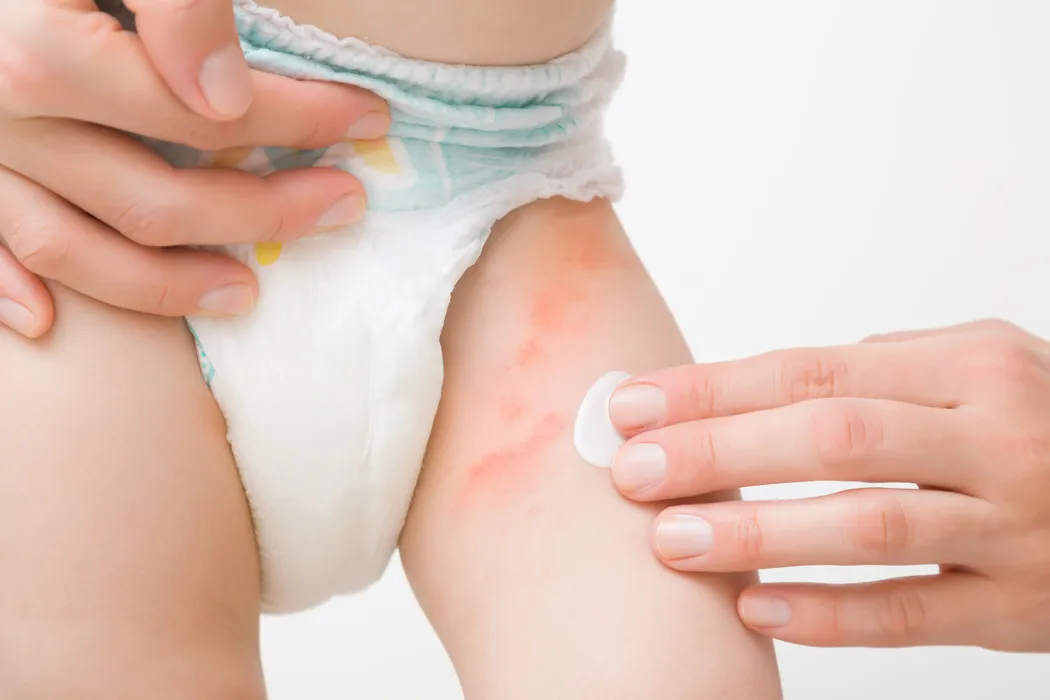
Learn about diaper rash causes, prevention and treatment, including how zinc oxide barrier creams can protect irritated baby skin and when to see a doctor.
Dr.Nallapu Siri
Diaper rash is one of the most common skin concerns in infants, and choosing the right diaper rash cream can make a real difference in how quickly your baby heals and how often the rash returns. Most parents will deal with it at some point, usually in the first two years of life. The good news is that with the right care, most cases clear up within a few days.
What Is Diaper Rash?
Diaper rash appears as red, irritated skin in the diaper area, covering the bottom, thighs, and sometimes the genitals. The skin may look blotchy or inflamed, and in some cases feels warm to the touch. Your baby might cry more than usual during diaper changes, which is often the first sign something is wrong.
It is a very common condition and, in most cases, not serious. A mild rash with no other symptoms can usually be managed at home with a good barrier cream and careful diapering habits.
Understanding diaper rash causes helps you respond faster and stop the problem from recurring.
Moisture and prolonged contact: Skin that stays wet for too long starts to break down. Urine and stool both irritate delicate skin, especially when a wet diaper stays on for an extended period.
Friction: A diaper that is too tight or rubs against the skin repeatedly causes chafing, which makes the skin more vulnerable to further irritation.
Irritants in products: Fragranced wipes, certain soaps, fabric softeners used on cloth diapers, and even some diaper materials can trigger a reaction. Babies have thinner skin than adults, so irritants penetrate more easily.
New foods: When solid foods are introduced, the composition of your baby's stool changes. Acidic foods like citrus or tomatoes are common triggers. So yes, diaper rash causes do include diet.
Antibiotics: Antibiotics disrupt the natural balance of bacteria and yeast in the body. Babies on antibiotics, or breastfed babies whose mothers are taking antibiotics, are more prone to yeast-based diaper rashes.
Infections: A rash that does not respond to regular barrier creams may have a bacterial or fungal component. Yeast infections in the diaper area often look bright red with defined edges and small satellite spots just outside the main rash.
How to Prevent Diaper Rash?
A few consistent habits go a long way in preventing diaper rash daily.
Change diapers frequently. Checking every two hours during the day and once after waking at night is a reasonable routine.
Pat the skin dry rather than wiping, especially when there is existing irritation. Allow the skin to air-dry for a minute or two before putting on a fresh diaper.
Apply a thin layer of barrier cream at every diaper change, even when the skin looks healthy. Prevention is easier than treatment.
Make sure the diaper fits correctly. Too snug means friction; too loose means stool spreads over a wider area.
If you use cloth diapers, rinse them thoroughly to remove all detergent residue.
For general advice on caring for your newborn's delicate skin, including newborn skin and umbilical care tips, Apollo's resource library has practical guidance from pediatric experts.
Treatment Options: Role of Zinc Oxide Diaper Rash Cream
Zinc oxide cream for diaper rash is the most widely recommended first-line treatment, and for good reason.
Zinc oxide is an inorganic compound that works as a physical barrier. When applied to the skin, it creates a protective layer that keeps moisture and stool from directly contacting irritated skin, allowing it to heal. It also has mild astringent and antimicrobial properties that help reduce inflammation.
Look for products with a zinc oxide concentration of around 10 to 40 percent. Higher concentrations tend to be thicker and more protective, which is useful when the rash is already established. Lower concentrations work well for daily prevention.
How to apply it correctly:
Clean the area gently with warm water or an unscented wipe.
Pat the skin completely dry before applying.
Apply a generous layer at every change. You do not need to remove every trace of the previous layer; doing so can cause more skin trauma. Wipe away only what comes off easily.
Best Cream for Baby Rash: How Options Compare?
Not all barrier creams work the same way. Here is a quick comparison of the main types you will find:
Cream type
Key ingredient
Best for
Zinc oxide barrier cream
Zinc oxide (10 to 40%)
Everyday prevention and mild-to-moderate rash
Petroleum-based barrier
Petrolatum/paraffin
Sealing moisture, gentle on very sensitive skin
Antifungal cream
Clotrimazole or similar
Confirmed or suspected yeast (fungal) rash
Steroid cream
Low-potency corticosteroid
Prescribed only; short-term inflammation control
Zinc oxide barrier creams are different from steroid-based creams. Steroid creams reduce inflammation but are not meant for regular use in the diaper area and should only be used when a doctor specifically prescribes them. Antifungal creams are a separate category for confirmed or strongly suspected yeast infections, not a substitute for a barrier cream.
Contraindications and When to Avoid Certain Creams?
Not every cream is appropriate in every situation.
Do not apply any cream to broken, weeping, or deeply cracked skin without a doctor's advice. A damaged skin barrier can absorb ingredients differently, and some formulations may sting or delay healing.
If your baby has a known allergy to any ingredient in a product, including preservatives or fragrances, do not use it. Always check the ingredient list.
Avoid products containing boric acid, camphor, phenol, or salicylates in the diaper area. These are not safe for infant skin.
Do not use steroid creams on the diaper area without a prescription. Prolonged use can thin the skin, which is already delicate in this region.
If the rash looks infected, with pus, blisters, or spreading redness, stop home treatment and consult a doctor before applying anything new.
For guidance on caring for skin that is already broken or irritated, Apollo's article on general wound care basics is a helpful starting point.
Report adverse events related to any topical product to your healthcare provider or the relevant regulatory authority. In India, suspected adverse reactions can be reported through the Pharmacovigilance Programme of India (PvPI) using the official Adverse Drug Monitoring System (ADRMS).
When to See a Doctor?
Most diaper rashes improve within two to three days of consistent home care. See a pediatrician if:
The rash has not improved at all after three days of barrier cream treatment.
Your baby develops a fever alongside the rash.
You see blisters, open sores, or pus.
The rash is spreading beyond the diaper area.
The skin looks bright red with sharp borders and satellite spots, which may indicate a yeast infection needing antifungal treatment.
Your baby seems to be in significant pain during or between diaper changes.
A doctor can confirm whether the rash has a fungal or bacterial component and recommend appropriate treatment.
Conclusion
Diaper rash is common in babies and can often be managed with simple skin-care measures. Frequent nappy changes, gentle cleansing, keeping the skin dry, and using a suitable barrier cream such as zinc oxide or petroleum jelly may help protect the skin and support healing. Avoid talcum powder and do not use steroid or antifungal creams unless recommended by a healthcare professional. If the rash becomes severe, spreads, looks infected, causes significant discomfort, or does not improve with home care, consult your baby’s doctor for appropriate treatment.
FAQS
How long does diaper rash take to heal?
A mild rash typically clears within two to three days with regular barrier cream use and frequent diaper changes. A more stubborn rash, especially one with a yeast component, may take a week or longer with appropriate treatment.
Can I use talcum powder instead of cream?
Talcum powder is not recommended for babies. Fine particles can be inhaled and may cause lung problems; barrier creams are a safer and more effective choice for protecting the diaper area.
Is coconut oil good for diaper rash?
Coconut oil has mild moisturising properties and may help with very mild irritation, but it does not provide the same level of protection as a zinc oxide barrier cream. If the rash is established or recurring, a proper diaper rash cream is a better option.
How do I know if diaper rash is a yeast infection?
A yeast-based rash tends to look bright red with sharply defined edges and may have small red spots just outside the main rash area. It often does not improve with standard barrier cream alone, which is a useful clue that antifungal treatment may be needed.
Can breastfeeding babies get diaper rash from their mother's diet?
Yes, this is possible. Foods that pass into breast milk, particularly acidic ones, can change the composition of a baby's stool and irritate the diaper area. If you notice a pattern, try adjusting your diet and speak with a lactation consultant or your baby's doctor.