logo
0

Diaper Rash Cream for Newborn: A Complete Guide

Learn how to choose and use diaper rash cream for newborns, including safe ingredients, application tips, prevention, precautions, and when to see a paediatrician.

article image

Dr. Kamran

Choosing the right diaper rash cream for newborn skin is one of those things no parenting book quite prepares you for. Newborn skin is thinner, more absorbent, and far more reactive than adult skin, which means a rash can appear within hours of a missed diaper change and cause real distress for both baby and parent. This guide covers why rashes happen, what to look for, and how to treat and prevent them safely.

What Causes Diaper Rash in Newborns?

Most diaper rashes share a handful of common triggers:

  • Prolonged contact with a wet or soiled diaper is the single biggest culprit. Urine raises the skin's pH, making it easier for irritants to penetrate.
  • Friction from the diaper rubbing against soft skin creates tiny breaks that worsen quickly.
  • Wipes or detergents with fragrance, alcohol, or preservatives can irritate sensitive newborn skin even when used gently.
  • Fungal or bacterial infections, particularly yeast (Candida), can develop when moisture is trapped for long periods.
  • A change in diet, including the introduction of formula or new foods as the baby grows, sometimes changes stool composition and triggers a flare.

If your baby seems to get a rash repeatedly, the most likely reason is that moisture is staying in contact with skin longer than it should, either because of infrequent changes or a diaper that fits too snugly.

How to Identify Diaper Rash: Symptoms to Watch For

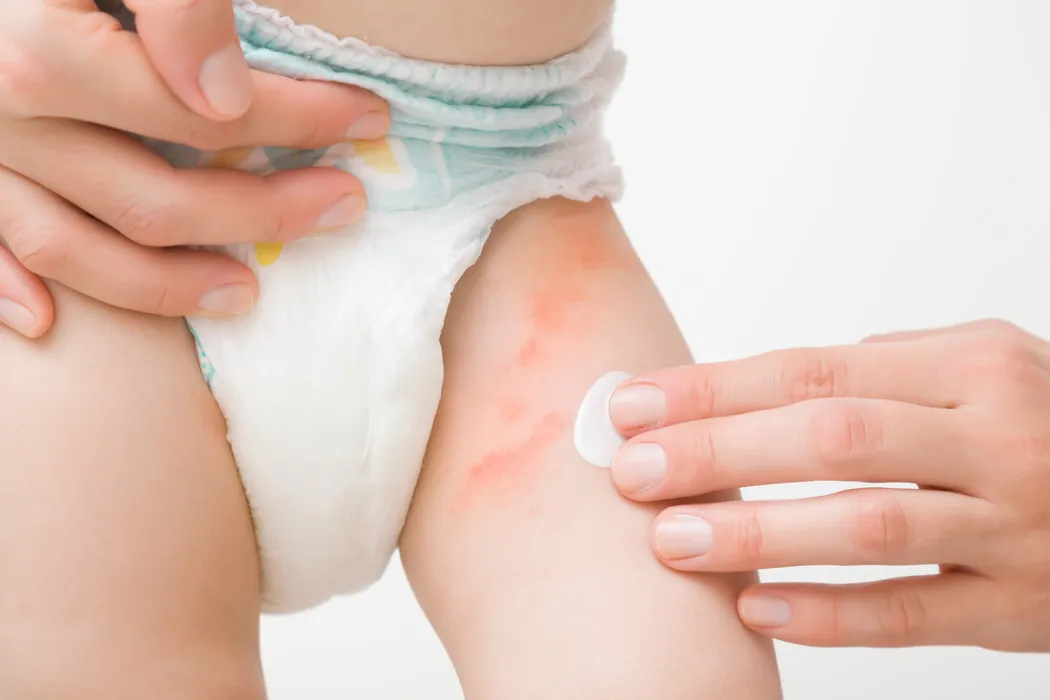
A mild diaper rash looks like patches of pink or red skin in the diaper area, often on the bottom, inner thighs, or around the genitals. The skin may look slightly puffy, and your baby may cry or fuss more than usual during nappy changes.

A more severe rash involves deeper redness, raw or broken skin, and visible discomfort when the area is touched. Satellite spots (small red dots just outside the main rash border) are a common sign of a fungal (yeast) infection. Fungal rashes tend to be brighter red and do not improve with standard barrier creams alone.

Choosing a Safe Diaper Rash Cream: Key Ingredients

Not every cream on the shelf is suitable for newborns. When reading labels, these are the ingredients that matter most.

  • Zinc oxide: Forms a protective layer on the skin, helps repel moisture, and has mild anti-inflammatory properties. Zinc oxide creams are available in different concentrations and are generally suitable for daily use on intact skin.
  • Petrolatum (white soft paraffin): Creates a physical moisture barrier that helps protect the skin from prolonged contact with urine and stool. It is fragrance-free and generally well tolerated by newborns.

Things to avoid in a cream for a newborn:

  • Fragrances or essential oils
  • Boric acid
  • Camphor or menthol
  • Salicylates (aspirin-related compounds)
  • High-potency corticosteroids without a prescription

How to Apply Diaper Rash Cream Correctly?

Getting the application right makes a bigger difference than the brand you choose. Here is how to treat diaper rash in babies effectively at every change:

  • Remove the soiled diaper and dispose of it carefully.
  • Clean the entire diaper area with warm water and a soft cloth, or an unscented, alcohol-free baby wipe. Pat dry rather than rubbing, and allow 30 to 60 seconds of air exposure before applying anything.
  • Apply a thin, even layer of cream over the affected or at-risk area. A film that you can see on the skin is enough; you do not need a thick coating.
  • Fasten a fresh diaper at the correct size so there is room for two fingers at the waistband.
  • Repeat at every diaper change while the rash is present, and continue for a day or two after the skin clears to rebuild the barrier.

You do not need to scrub the cream off at every change. If a layer remains and the skin beneath looks healthy, clean gently around it.

Prevention Tips for Newborn Diaper Rash

Consistent habits are the best defence against newborn diaper rash causes recurring:

  • Change diapers frequently: Change the diaper every two to three hours during the day, or sooner if it is wet or soiled.
  • Allow air exposure: After cleaning, allow the baby's bottom to air-dry for five to ten minutes when practical before putting on a fresh diaper.
  • Choose the correct size: Use a properly fitting diaper, as a tight diaper can increase moisture and friction against the skin.
  • Use gentle wipes: Choose fragrance-free wipes or plain warm water, particularly during the first few weeks.
  • Use a protective barrier: Apply a thin layer of zinc oxide or petrolatum-based cream at each change to help protect the skin, even when no rash is visible.
  • Wash your hands: Wash your hands before and after each diaper change to help reduce the spread of bacteria.

Good newborn skin care extends beyond the diaper area. If you are also managing cord healing, the newborn belly button care guide covers that process step by step.

Contraindications and When Not to Use Certain Creams

Some products are not appropriate for newborn skin, and a few situations call for caution:

  • Topical corticosteroids: Hydrocortisone and stronger corticosteroids should only be used in babies when prescribed or specifically recommended by a doctor.
  • Broken or infected skin: Do not apply creams to broken, blistered, or infected skin without medical advice, as the underlying problem may require specific treatment.
  • Powder-based products: Avoid using powders near a newborn's face because airborne particles can be inhaled.
  • Herbal or natural products: Plant-based ingredients can sometimes irritate sensitive skin or cause contact dermatitis. Consult your paediatrician before using these products, particularly in babies under 3 months.

If you are ever unsure whether a skin break needs more than a cream, the guide on treating minor skin wounds at home may help you decide when to seek care. Report adverse events or unexpected skin reactions to your healthcare provider or the relevant regulatory authority.

When to Consult a Doctor?

Most mild rashes clear within two to three days of consistent care. See a doctor sooner if:

  • The rash has not improved after three days of home treatment with the best cream for baby diaper rash and good hygiene practice.
  • Blisters, open sores, or bleeding appear.
  • The rash spreads beyond the diaper area to the abdomen, back, or thighs.
  • Your baby develops a fever alongside the rash.
  • The skin turns deep purple or looks infected, with yellow crusting or pus.
  • Satellite lesions (dots scattered around the main rash) suggest a fungal infection that needs a specific antifungal, not a barrier cream.

Conclusion

Choosing a diaper rash cream for a newborn is mainly about protecting the skin barrier and reducing exposure to moisture and irritation. Simple barrier ingredients such as zinc oxide and petrolatum can help protect intact skin when used with frequent diaper changes and gentle cleansing. Avoid fragranced or potentially irritating ingredients, and do not use medicated corticosteroid, antifungal, or other treatment creams without appropriate medical advice. If the rash does not improve within a few days, spreads, develops blisters or open sores, or is accompanied by fever or signs of infection, consult your paediatrician for assessment and appropriate treatment.

FAQS

How long does diaper rash take to heal?

A mild rash usually improves within two to three days with frequent diaper changes and a zinc oxide barrier cream. A fungal or bacterial rash may take longer and often needs a prescription treatment.

Can I use coconut oil for diaper rash?

Coconut oil is a common diaper rash home remedy and is generally safe on intact skin, but it provides less moisture protection than zinc oxide-based creams. It should not replace a proper barrier cream for a moderate or severe rash.

Is diaper rash cream safe for daily use?

Yes, zinc oxide or petrolatum-based creams are safe for daily preventive use on intact newborn skin. Avoid applying any cream to broken or infected skin without a doctor's advice.

What is the difference between diaper rash and a yeast infection?

A standard diaper rash is pink, slightly raised, and usually improves with barrier cream. A yeast infection (Candida) is typically brighter red, has a defined border, and is surrounded by small satellite spots; it needs an antifungal treatment rather than a barrier cream alone.

Can diaper rash cream cause an allergic reaction?

It is possible, especially with creams that contain fragrances, preservatives, or plant extracts. Signs include increased redness, swelling, or a new rash appearing at the edges of where the cream was applied; stop use and consult your doctor if this happens.

Apollo 247 Floating Action Button