logo
0

Diaper Rash Cream: Prevention & Treatment Guide for Parents

Learn how to choose and use diaper rash cream, including zinc oxide, petrolatum, medicated creams, prevention tips, and when to see a doctor.

article image

Dr.Ezhilrasan

Every parent knows that moment of dread when they open a diaper and find angry, red skin. Diaper rash cream is one of the most searched baby-care products for a reason: nappy rash is almost universal in infants, uncomfortable for the baby, and stressful for caregivers. Knowing which cream to use, how to apply it, and when to see a doctor can make a real difference in how quickly your baby recovers.

What Is Diaper Rash and Why Does It Happen

Diaper rash (also called nappy rash or diaper dermatitis) is an inflammation of the skin covered by a diaper. Several things can trigger it:

  • Prolonged moisture exposure: Prolonged contact with wet or soiled diapers breaks down the skin barrier over time.
  • Friction: Friction from tight-fitting diapers rubs away the outer skin layer.
  • Urine and stool irritants: Irritants in urine and stool, especially during bouts of diarrhoea, cause a chemical-burn effect on delicate skin.
  • Baby wipes: Fragrance, alcohol, or preservatives in some baby wipes strip natural skin oils.
  • Fungal overgrowth: Fungal overgrowth, most commonly Candida albicans, turns a mild rash into a persistent, bright-red eruption with satellite spots at the edges.
  • Antibiotic use: Antibiotics taken by the baby or a breastfeeding parent can disrupt gut flora and raise the risk of fungal diaper rash.

Newborns are especially vulnerable because their skin is thinner and holds less moisture than adult skin. Building good habits early matters, and reading up on newborn skin and hygiene care basics is a practical starting point.

How Diaper Rash Cream Works: Zinc Oxide vs Other Ingredients

Every diaper rash cream aims to do the same core job: create a physical barrier between the skin and the wet, irritating diaper environment, while soothing existing inflammation.

Zinc oxide cream for diaper rash is the most widely used active ingredient for good reason. It sits on top of the skin rather than being absorbed, forming a protective layer that repels moisture. It also has mild anti-inflammatory and antimicrobial properties, which help calm redness and slow bacterial growth. Zinc oxide concentrations in OTC barrier creams vary by product; check the label or ask your pharmacist which strength suits your baby's age and rash severity.

Other useful ingredients include:

  • Petrolatum (petroleum jelly): Petrolatum (petroleum jelly), an occlusive barrier that locks out irritants and is gentle enough for even very sensitive skin.
  • Panthenol (pro-vitamin B5): Panthenol (pro-vitamin B5), which supports cell repair and helps damaged skin recover.
  • Dimethicone: Dimethicone, a silicone-based ingredient that repels water and is found in many modern formulations.

The best cream for nappy rash often combines two or more of these. A product pairing zinc oxide with petrolatum, for example, covers both barrier protection and skin soothing in one application.

When You Need a Medicated Diaper Rash Cream

Plain barrier creams handle most mild-to-moderate rashes well. If a rash has satellite pustules, spreads beyond the diaper area, or does not improve after a few days of consistent barrier cream use, a fungal infection is likely the cause and needs a different approach.

Antifungal agents such as clotrimazole or miconazole are used to clear Candida infections. Some medicated diaper rash creams combine an antifungal with a mild corticosteroid to reduce inflammation at the same time. B4 Nappi cream is one such formulation sometimes considered for rashes that have not responded to standard barrier creams; always confirm suitability with your doctor or pharmacist before use.

A few important points:

  • Antifungal-steroid combination creams: Antifungal-steroid combination creams are generally prescription products. Do not use them without a doctor's guidance.
  • Moderate-to-potent corticosteroid creams: Moderate-to-potent corticosteroid creams should be avoided in the diaper area without medical supervision; the occlusive environment increases skin absorption.
  • OTC antifungal creams: Even OTC antifungal creams work best when you have confirmed, or at least strongly suspect, a fungal cause. A doctor or pharmacist can help you decide.

Report adverse events to your healthcare provider or the relevant regulatory authority.

Contraindications and Precautions

Not every cream suits every situation. Keep these cautions in mind:

  • Broken or blistered skin: Do not apply cream over broken, weeping, or blistered skin without medical advice. Open wounds need a different type of care.
  • Known allergies: Babies with a known allergy to any ingredient, such as lanolin, fragrances, or preservatives, should not use that product. Always check the full ingredient list.
  • Medicated creams: Medicated diaper rash cream containing corticosteroids or antifungals is generally not recommended for newborns without a prescription.
  • Boric acid, camphor, or salicylates: Avoid creams containing boric acid, camphor, or salicylates in the diaper area of young children; these ingredients carry absorption risks through an infant's thin skin. Consult a doctor before using any product containing them.
  • Other topical treatments: If your baby is already on another topical treatment, ask a pharmacist before combining products.

How to Apply Diaper Rash Cream Correctly

Correct application is as important as choosing the right cream.

  1. Remove the soiled diaper and dispose of it carefully.
  2. Clean the diaper area with plain warm water or fragrance-free, alcohol-free wipes. Pat dry gently; rubbing adds friction to already irritated skin.
  3. Let the skin air-dry for one to two minutes before applying anything.
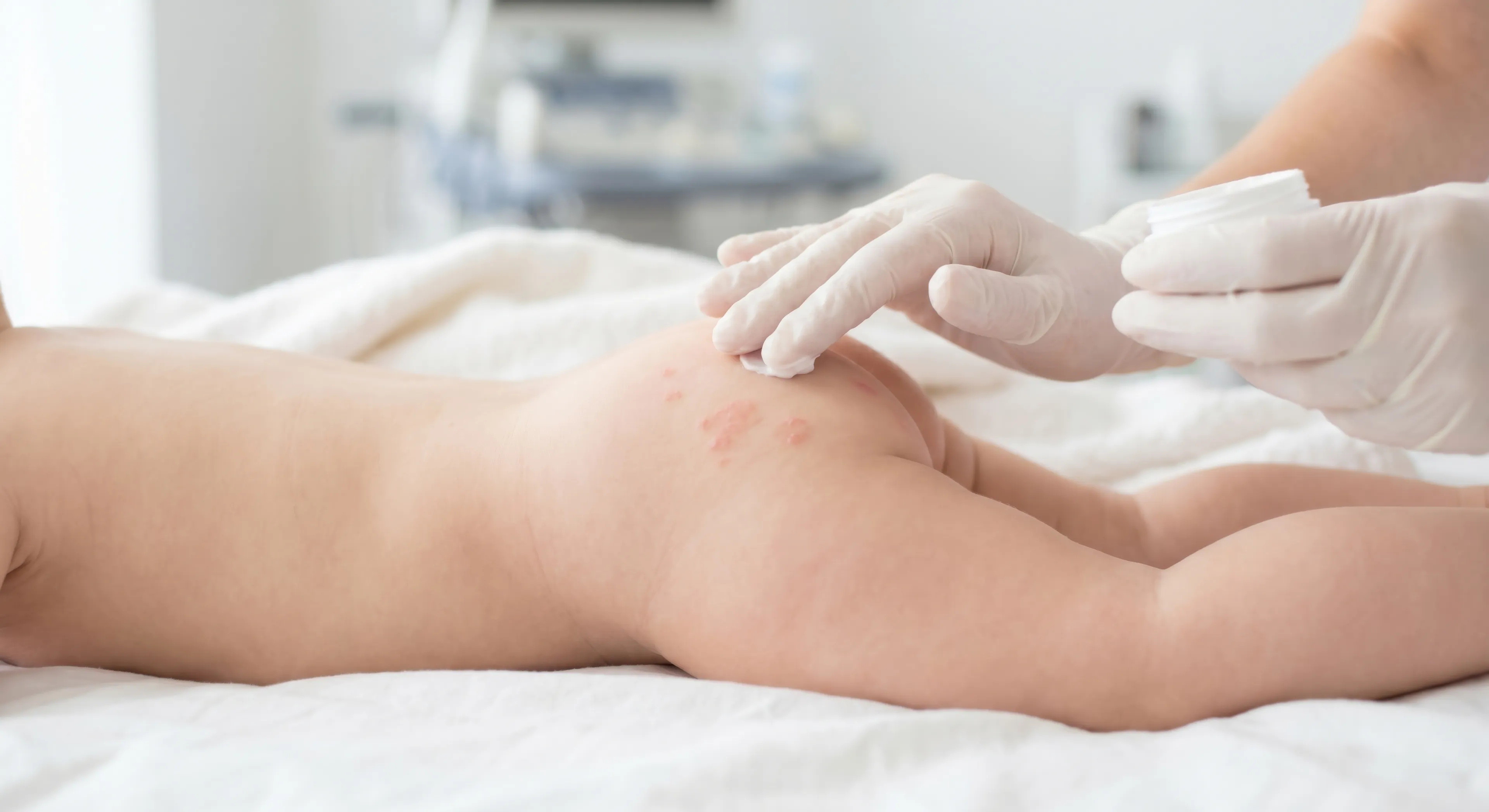
  4. Apply a thin but even layer of diaper rash cream over all affected skin, including the folds. A small amount spread smoothly is enough for mild rashes; thicker application is fine when using barrier creams preventively.
  5. Fasten a clean, correctly sized diaper without overtightening.

For an active rash, apply cream at every diaper change. As the skin heals, you can shift to a preventive thin layer at each change to keep rash from returning.

Preventing Diaper Rash: Daily Care Tips

Good diaper rash prevention tips keep most rashes from starting in the first place.

  • Change diapers promptly: Change diapers promptly when wet or soiled; do not leave a baby in a soiled diaper longer than necessary.
  • Choose breathable, well-fitting diapers: Choose breathable diapers that fit well and are not overly tight around the legs or waist.
  • Give the skin open-air time: Give the skin a few minutes of open-air time at each change when practical, particularly if the area looks pink or irritated.
  • Use gentle cleaning products: Use plain warm water or fragrance-free, alcohol-free wipes. Wipes with alcohol or strong fragrances strip the skin's natural oils.
  • Apply a barrier cream: Apply a thin layer of barrier cream, such as zinc oxide or petrolatum, at each change as a preventive measure, especially during teething or antibiotic courses when rash risk rises.
  • Wash cloth diapers properly: Wash cloth diapers in fragrance-free detergent and rinse thoroughly.

A consistent routine matters more than any single product.

When to See a Doctor

Most diaper rashes respond to good home care within a few days. Seek medical advice if:

  • The rash has not improved after several days of consistent cream use and frequent diaper changes.
  • You see blisters, open sores, or yellow crusting, which can signal a bacterial infection.
  • The rash spreads beyond the diaper area to the abdomen, back, or thighs.
  • Your baby develops a fever alongside the rash.
  • Satellite spots or a bright-red, sharply bordered rash appears, as these are common signs of a fungal infection needing prescription or targeted OTC treatment.
  • If your newborn develops any rash, err on the side of getting it checked early.

A pharmacist is a good first call for a straightforward rash. A doctor is the right choice if any of the red flags above apply.

Conclusion

Diaper rash is common in babies and is often related to prolonged moisture, stool, friction, or skin irritation. For mild rashes, zinc oxide or petrolatum-based barrier creams can help protect the skin while frequent diaper changes and gentle cleaning support healing. Medicated antifungal or corticosteroid creams should be used for specific indications and with appropriate medical guidance, particularly in newborns. Seek medical advice if the rash persists, spreads, blisters, develops open or infected-looking areas, or occurs with fever.

FAQs

Which diaper rash cream is best for newborns?

Plain zinc oxide or petrolatum-based barrier creams are generally considered safe for newborns and are the first choice for mild rash or prevention. Avoid medicated formulations containing antifungals or steroids unless a doctor prescribes them for your newborn specifically.
Can I use diaper rash cream every day?

Yes. Using a thin layer of barrier cream at every diaper change is a common preventive practice, particularly if your baby is prone to rashes. Daily use of plain barrier creams is considered safe for healthy skin.

Is zinc oxide safe for babies?

Zinc oxide is widely regarded as safe for use on infant skin when applied as a topical barrier. It is not significantly absorbed through intact skin, which is why zinc oxide cream for diaper rash is recommended so frequently by paediatricians.

How long does diaper rash take to heal with cream?

Healing time depends on the type and severity of the rash. Mild irritant rashes often show improvement with consistent barrier cream use and frequent changes, though individual responses vary. Fungal rashes typically take longer and may need antifungal treatment before they fully clear; ask your doctor if things are not improving.

Can adults use diaper rash cream?

Yes. Barrier creams containing zinc oxide or petrolatum are sometimes used by adults for moisture-related skin irritation, incontinence rash, or skin exposed to prolonged friction. Always check that no ingredient is contraindicated for your specific situation.

Apollo 247 Floating Action Button