logo
0

How Many Hours Can a Diaper Be Used Safely?

Wondering how many hours diapers can be used? Learn safe wear duration, signs it's time to change, and tips to prevent rashes and infections.

article image

Dr.Mayank

Knowing when to change your baby's diaper is an everyday part of caring for them. You may wonder whether you should follow a set number of hours or change the diaper whenever it becomes wet or soiled. The right approach depends on your baby's age, what is in the diaper and how your baby's skin responds.

Leaving urine or stool against the skin for too long can contribute to irritation and diaper rash. Regular checks and prompt changes help keep the diaper area clean, dry and comfortable.

General Rule: How Long Can a Diaper Be Worn?

Check your baby's diaper regularly and change it when it is wet or soiled. A soiled diaper should be changed as soon as possible because prolonged contact with stool can irritate the skin. NHS guidance advises changing a baby's diaper as soon as they wet or soil it.

The American Academy of Pediatrics notes that changing diapers every 3 to 4 hours, or whenever the diaper is soiled, can help prevent most diaper rashes. This can be a useful daytime guide, but it should not replace checking the diaper itself.

Several factors affect how often a diaper needs changing:

  • Your baby's age and feeding pattern
  • Whether the diaper contains urine or stool
  • How much urine your baby passes
  • The absorbency and fit of the diaper
  • Whether your baby's skin is prone to irritation or diaper rash

A wet diaper does not always need to be changed after a specific number of hours. If it becomes heavily wet, leaks, feels uncomfortable or causes skin irritation, change it sooner.

Newborn vs Older Baby Diaper Change Frequency

Newborns need frequent diaper changes because they feed frequently and may pass urine and stools several times throughout the day. The NHS says young babies may need as many as 10 to 12 diaper changes a day, while older babies may need around 6 to 8.

As babies grow, the number of changes usually decreases. However, there is still no single number of hours that applies to every baby. A wet or soiled diaper needs changing regardless of the baby's age.

A soiled diaper deserves particular attention because stool can irritate the skin. Breastfed newborns may also pass stools frequently, sometimes around feeding times, so their diapers may need changing several times throughout the day.

Keeping the diaper area clean and dry is also part of newborn skin care. During the early weeks, make sure the diaper does not rub against the umbilical cord stump. For more information, see how to care for a newborn's umbilical cord stump.

Overnight Diaper Wear: Is It Safe?

Your baby may sleep for several hours at night without needing a diaper change if the diaper contains urine only and remains comfortable without leaking or irritating the skin. The NHS advises putting a fresh diaper on at bedtime because it may be worn for a longer period while the baby sleeps.

There is no need to wake every sleeping baby simply because a particular number of hours has passed. However, a soiled diaper should be changed as soon as possible. Stool is more irritating to the skin than urine and can contribute to diaper rash when it remains against the skin.

For newborns, diaper changes may still be needed during the night because they feed and pass urine or stool frequently. If your baby wakes for a feed and the diaper is wet or soiled, changing it can help keep the skin clean and comfortable.

When deciding whether your baby's overnight diaper is working well, look for signs such as leakage, persistent redness, soreness or discomfort. These may mean that the diaper needs changing more often or that a different size or type fits your baby better.

Signs a Diaper Needs Immediate Changing

The contents of the diaper matter more than the number of hours it has been worn. Change the diaper promptly if you notice:

  • Visible stool
  • A heavily wet or saturated diaper
  • Leakage around the waist or leg cuffs
  • A diaper that has become uncomfortable or is rubbing the skin
  • Redness or soreness in the diaper area
  • Your baby becoming unsettled during or after wearing the diaper

Some disposable diapers have a wetness indicator that changes colour as the diaper becomes wet. This can be useful, particularly during the newborn period, but you do not need to wait for the indicator to change before checking the diaper.

A strong smell can occur when urine has been sitting in a diaper for some time, but smell alone does not determine when a diaper needs changing.

Risks of Prolonged Diaper Use

Prolonged contact with urine or stool can irritate the skin and increase the likelihood of diaper rash. Friction from a wet or poorly fitting diaper can add to the irritation.

  • Diaper rash: The most common problem is irritated, red or sore skin in the diaper area. Prolonged contact with urine or stool can contribute to this irritation.
  • Skin breakdown: More severe irritation can cause raw or broken skin, particularly when the area remains wet or exposed to stool.
  • Fungal infection: Candida can sometimes cause diaper rash, particularly when the skin barrier has already been damaged. A bright red rash with small spots around the affected area can occur, but its appearance alone cannot confirm a fungal infection. A healthcare professional can assess the rash and recommend treatment when needed.
  • Other infections: Broken or inflamed skin can become infected, although infection is not an inevitable result of wearing a wet diaper.

For adults who use diapers for urinary or bowel incontinence, the same basic principle applies. Change the product when it becomes wet or soiled and keep the skin clean and dry. There is no universal maximum of 6 to 8 hours for every adult diaper. The required frequency depends on the product, the amount of urine or stool, skin condition and individual needs. Adults with limited mobility or existing skin damage may need more frequent checks and support from a healthcare professional or caregiver.
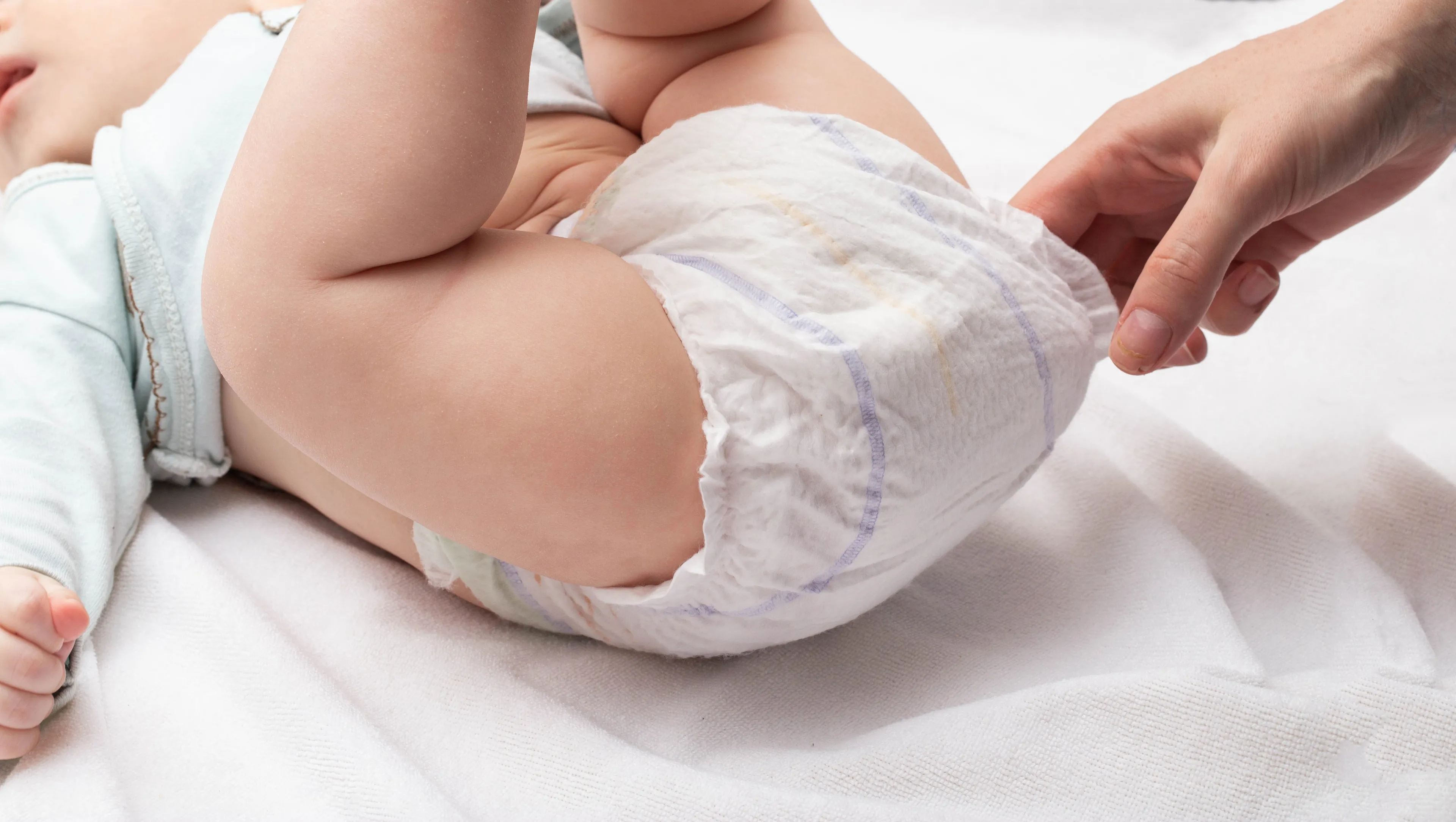
Diaper Rash Prevention Tips

A few consistent habits can help reduce irritation:

  • Change diapers promptly when they are wet or soiled.
  • Clean the skin gently with water or fragrance-free, alcohol-free wipes.
  • Pat the area dry rather than rubbing it.
  • Make sure the diaper fits comfortably without being too tight.
  • Use a barrier cream when needed to protect the skin.
  • Give the diaper area some time without a diaper when practical.
  • Avoid talcum powder and products that contain fragrance if they irritate your baby's skin.

A highly absorbent diaper can help keep the skin drier, but no diaper can replace regular checks and timely changes.

When to Consult a Doctor

Most mild diaper rashes can be managed with gentle cleaning, keeping the area dry and frequent diaper changes. Consult your doctor if the rash does not improve, becomes worse or spreads.

Seek medical advice if:

  • The rash is severe, very painful or causing significant discomfort.
  • The skin becomes blistered, deeply broken or starts bleeding.
  • The rash spreads beyond the diaper area.
  • There are signs of infection, such as increasing swelling, oozing or crusting.
  • Your baby develops a high temperature or seems unwell.
  • Your baby is very young and develops blisters, spreading redness or other concerning skin changes.

A doctor can determine whether the rash is caused by irritation, an allergy, a fungal infection or another skin condition and recommend treatment when necessary. Do not use medicated creams, including antifungal or antibiotic treatments, unless they have been recommended for your baby.

Contraindications and Precautions

The main precautions with diaper use relate to skin condition, fit and how often the diaper is changed.

  • Sensitive or irritated skin: If your baby's skin becomes red or sore, change the diaper more frequently and review the products being used on the skin.
  • Known product reactions: Stop using a diaper or wipe that repeatedly causes redness, itching or irritation and consider a fragrance-free alternative.
  • Poor fit: A diaper that is too tight can rub the skin and trap moisture. Choose a size that fits comfortably around the waist and legs.
  • Broken or infected skin: Seek medical advice rather than relying on a change of diaper or barrier cream alone.
  • Adults with wounds or pressure sores: Frequent skin checks and an individualised continence-care plan may be needed.

If your baby has recurrent or severe diaper rash, discuss the problem with your paediatrician rather than simply increasing the frequency of diaper changes.

Conclusion

Knowing how many hours a diaper can be worn safely is less about following a strict timer and more about checking the diaper and your baby's skin. Change wet or soiled diapers promptly, with particular attention to stool, and use a fresh diaper at bedtime.

Newborns may need around 10 to 12 diaper changes a day, while older babies may need around 6 to 8. However, individual needs vary. If your baby's skin remains red, sore or broken despite regular changes, consult your doctor.

FAQS

How many hours can a diaper be used during the day?

There is no fixed number of hours that applies to every diaper. The American Academy of Pediatrics notes that changing diapers every 3 to 4 hours, or whenever the diaper is soiled, can help prevent diaper rash. NHS guidance focuses on changing a baby's diaper as soon as it becomes wet or soiled.

Is it OK to leave a diaper on for 12 hours?

A diaper should not be left on for 12 hours simply because it is designed for extended or overnight use. A wet or soiled diaper may need changing much sooner, particularly if it is heavily wet, leaking or irritating the skin. A sleeping baby may remain in a wet-only diaper for several hours overnight if they are comfortable and the skin remains healthy, but a soiled diaper should be changed promptly.

How do I know if a diaper is full?

A heavily wet or saturated diaper may feel heavier, sag or leak around the edges. Some disposable diapers also have a wetness indicator that changes colour when the diaper becomes wet. Redness, soreness or discomfort can also indicate that the diaper needs changing or that the fit needs attention.

Can wearing a diaper too long cause infection?

Prolonged contact with urine or stool can damage or irritate the skin and may increase the risk of secondary infection when the skin barrier is broken. Candida can also cause some types of diaper rash. However, simply wearing a wet diaper for a particular number of hours does not mean that an infection will develop. Prompt changes after stooling and keeping the skin clean and dry help reduce irritation.

How many diapers does a newborn need per day?

Young babies may need around 10 to 12 diaper changes a day, according to NHS guidance. Older babies may need around 6 to 8 changes a day. Individual babies vary, so the actual number can be higher or lower depending on feeding, urination, bowel movements and skin condition.

Apollo 247 Floating Action Button