logo
0

Diapers Buying Guide: Choose the Right Diaper for Your Baby

Learn how to choose the right diaper for your baby based on size, fit, absorbency, skin sensitivity, comfort, diaper type, and everyday needs.

article image

Dr. Mayank

Choosing the right diapers for your newborn is one of those decisions that shapes your baby's daily comfort and your sanity at 3 a.m. With dozens of options across Indian shelves and online stores, from ultra-thin disposables to reusable cloth nappies, the variety is genuinely overwhelming for first-time parents. This guide covers diaper types, sizing, features, and diaper rash prevention so you can choose with confidence, whether you are preparing a hospital bag or switching brands because your baby keeps leaking.

Types of Diapers Available in India

Indian parents today have more choices than ever. Here is a plain-language breakdown of each type and when it makes sense.

Tape-Style Diapers

These have adhesive tabs on the sides that fasten across the front. They are the standard choice for newborns and young infants because the fit is adjustable and you do not have to lift the baby's legs high to put them on. Most brands offer tape variants from newborn sizes (under 3 kg) upward.

Pant-Style Diapers

Shaped like training pants, these are pulled up and down like underwear. They work best once a baby can sit or stand, usually from around 5 to 6 months. Changing is faster, which matters once a toddler starts wriggling.

For babies under 5 months or those who cannot yet stand, tape-style diapers give a more adjustable fit. Pant-style diapers become more practical as mobility increases.

Cloth Diapers

Reusable cloth diapers made from cotton, bamboo, or microfibre have come a long way from the traditional nappy pin era. Modern designs with snap-and-button closures are far easier to use. They require washing but suit families who want a gentler, more breathable option for daytime use.

Overnight or Specialty Diapers

Several brands in India offer overnight-specific diapers with extra absorbency designed to last 10 to 12 hours. These reduce nighttime changes without compromising skin integrity, which matters for a baby's uninterrupted sleep.

How to Choose the Right Diaper Size and Fit

Weight-Based Sizing Logic

Diaper sizing across Indian brands is almost universally weight-based. Use this as a starting reference:

Size LabelApproximate Baby Weight
Newborn (NB)Up to 5 kg
Small (S)4 to 8 kg
Medium (M)7 to 12 kg
Large (L)9 to 14 kg
XL / XXL12 kg and above

Weight ranges overlap across sizes. If your baby is on the border, go by thigh and waist fit rather than weight alone.

Signs the Diaper Does Not Fit

A diaper that is too small leaves red marks on the thighs or waist and leaks around the legs. One that is too large gaps at the thighs, causes side leaks, and sags at the bottom. A good fit means two fingers slide comfortably under the waistband and the leg cuffs sit snugly without digging in.

Getting the fit right from the start pairs well with other newborn care basics alongside diapering, especially in those first fragile weeks at home.

Key Features to Compare When Shopping for the Best Diapers for Babies in India

No single brand is objectively best for every baby. The right diaper is the one that fits your baby's body shape and agrees with their skin. When comparing options, ignore marketing language and focus on these practical features:

  • Absorbency and dry-feel layer: The inner surface should feel dry to the touch even after one wetting. A diaper that keeps moisture against the skin increases rash risk.
  • Wetness indicator: A color-changing strip, usually yellow turning blue, tells you when to change without opening the diaper. Particularly helpful at night or for new parents still learning hunger versus discomfort cues.
  • Breathability: Diapers with a breathable outer cover reduce heat and humidity around delicate skin. This matters especially in India's warm and humid climate, where heat rash and diaper rash often occur together.
  • Softness and material: Look for a fragrance-free, lotion-free inner surface if your baby has sensitive skin. Fragrances are a common irritant.
  • Leak guards: Soft elastic cuffs along the legs contain blowouts without leaving pressure marks.
  • Umbilical cord cutout: For newborns, some tape diapers have a front notch to keep pressure off the healing cord stump. Worth checking in any newborn diaper guide before you stock up.
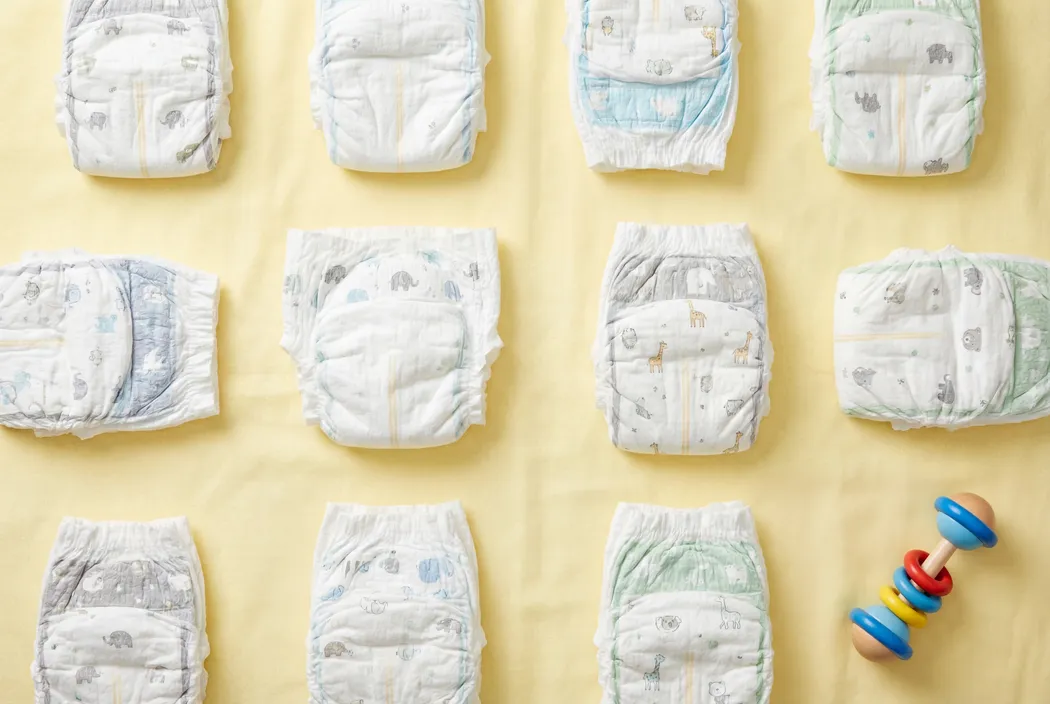
Testing a small pack before buying in bulk saves money and frustration, since fit varies by brand even within the same weight range.

Cloth vs Disposable Diapers: Pros and Cons

This is one of the most searched comparisons for Indian parents, and there is no single right answer. Your choice will depend on your lifestyle, budget, and baby's skin.

FactorCloth DiapersDisposable Diapers
CostHigher upfront, lower over timeLow upfront, adds up over months
EnvironmentReusable, less landfill wasteSingle-use, significant waste
ConvenienceRequires washing and dryingReady to use, easy to discard
Skin healthBreathable natural fibres; wetness stays closer if not changed promptlyModern absorbent core keeps skin drier between changes
Travel    Bulkier,needs storage for soiled onesCompact packs, easy to carry

Many Indian families use a hybrid approach: cloth diapers at home during the day when changes are easy to manage, and disposables for outings and overnight use. This balances diaper rash prevention, cost, and convenience without committing entirely to one option.

Preventing and Managing Diaper Rash

Diaper rash is nearly universal in the first two years and is usually mild and manageable at home with consistent hygiene habits.

Daily Hygiene Habits That Help

  • Change diapers frequently, every 2 to 3 hours during the day and immediately after a bowel movement.
  • Clean the area gently with plain water or fragrance-free wipes, wiping front to back for girls.
  • Pat dry rather than rubbing. Moisture trapped in skin folds is a primary trigger for rash.
  • Allow a few minutes of diaper-free time each day so the skin can breathe.

Barrier Creams

A thin layer of zinc oxide-based barrier cream at each change protects already irritated skin. Apply only to clean, dry skin. If the skin looks broken or weepy, get advice before applying any cream, since some products can worsen certain infections. For guidance on treating minor skin irritation or wounds, it helps to know when home care is enough and when a professional should look.

When to See a Paediatrician

Mild redness that clears within 2 to 3 days of good hygiene and barrier cream usually does not need medical attention. See a doctor if the rash spreads beyond the diaper area, develops blisters or pustules, does not improve after 3 to 4 days, or if your baby develops a fever alongside the rash. These signs may point to a fungal or bacterial infection needing specific treatment.

Contraindications and Precautions

Most healthy babies can use standard diapers and barrier creams without concern, but there are situations where you should seek medical advice before continuing or starting use:

  • If your baby has broken or bleeding skin in the diaper area, do not apply over-the-counter rash creams without a doctor's guidance, as some formulations are not appropriate for open wounds.
  • Signs of a possible allergic reaction to a diaper brand (hives, unusual redness, or swelling at contact points) mean you should stop using that product and consult your pediatrician before trying another.
  • Babies with known skin conditions such as eczema may need a dermatologist's input on which diaper materials and creams are safe.
  • Never apply antifungal or antibiotic creams in the diaper area without a prescription. Self-treating a rash that is actually a fungal infection with the wrong cream can make it worse.
  • Report adverse events to your healthcare provider or the relevant regulatory authority.

Conclusion

Choosing the right diaper for your baby depends on more than brand or price. Consider the diaper type, your baby's weight and body shape, absorbency, softness, breathability, leak protection, and skin sensitivity. Tape-style diapers are often convenient for newborns, while pant-style options can become more practical as babies become mobile. Cloth diapers offer a reusable alternative but require regular washing and drying. Whichever type you choose, start with a small pack to check the fit and your baby's skin response before buying in bulk.

FAQS

How often should I change my baby's diaper?

During the day, change every 2 to 3 hours or immediately after a bowel movement. Newborns typically need 8 to 12 changes in 24 hours.

What size diaper does a newborn need?

Most newborns start in Newborn (NB) size, designed for babies up to around 5 kg. If your baby is born above that weight, you may go straight to Small (S).

Are pant-style diapers better than tape diapers?

Neither is universally better. Tape diapers suit newborns and young infants because of the adjustable fit; pant-style diapers are more convenient once a baby can stand or is very active.

How long can a baby wear one diaper overnight?

A good overnight diaper can typically last 8 to 10 hours, but check first thing in the morning and change promptly if the diaper is soiled or very heavy. Prolonged contact with wetness increases rash risk.

What ingredients should I avoid in diaper rash cream?

Avoid creams containing fragrances, boric acid, camphor, or high concentrations of salicylates for infant skin. Stick to simple zinc oxide formulations unless a doctor recommends otherwise.

Apollo 247 Floating Action Button