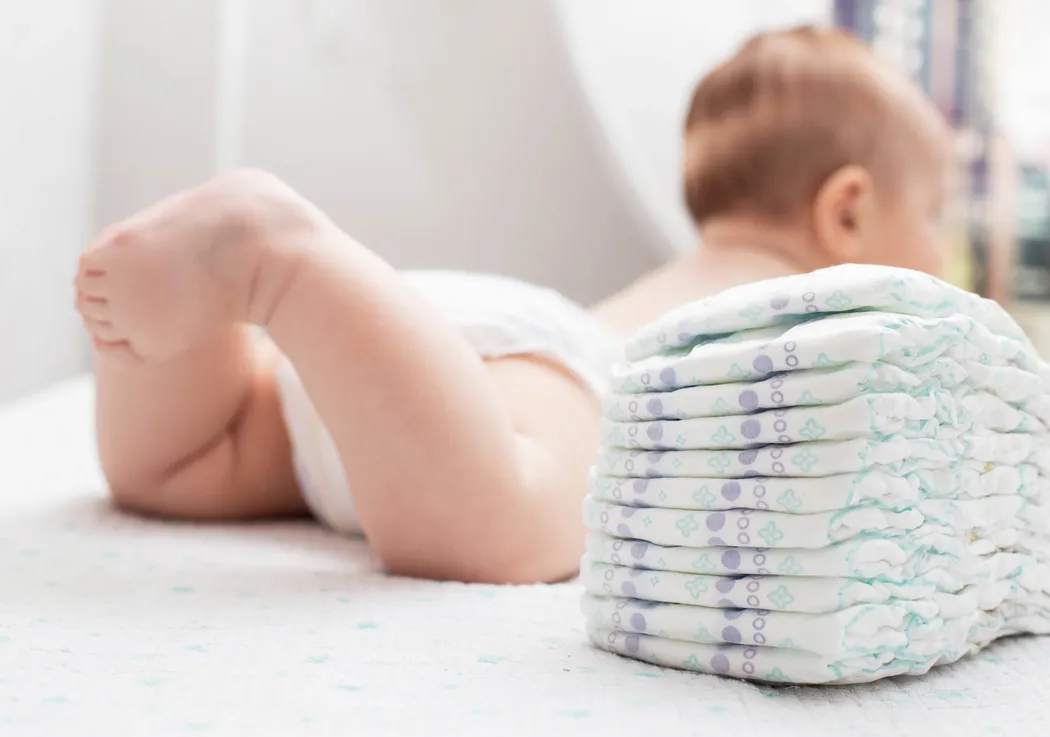
Should Diapers Be Used for Newborn Babies? Full Guide
Learn whether newborns should use diapers, how often to change them, how to choose the right diaper, prevent nappy rash and care for your baby's skin.
Dr.Ezhilrasan
Bringing a newborn home raises a hundred practical questions, and one of the first is whether diapers are truly necessary or just a modern habit. Understanding whether diapers should be used for newborns matters because your baby's comfort, hygiene, and skin health all depend on getting this right from day one.
Are Diapers Necessary for Newborns?
Yes, for most families, diapers are a practical necessity rather than a luxury. Newborns urinate frequently, often 8 to 12 times in 24 hours, and pass stools several times a day in the first weeks of life. Without containment, urine and stool stay in direct contact with delicate skin, raising the risk of irritation, bacterial exposure, and discomfort.
A well-fitting diaper:
Keeps moisture away from the skin when a breathable, absorbent material is used
Reduces the chance of faecal bacteria spreading to the urinary tract
Makes feeding, sleeping, and caregiving far more manageable
Some families choose elimination communication, watching for cues and holding the baby over a basin instead. This can work but requires near-constant attention. Most paediatricians recommend diapers as the simpler, safer choice for newborn diaper usage, particularly in the first months.
Diapers can, and generally should, be used from birth. In the delivery room, a nurse or midwife will dry and wrap your baby, and a diaper is typically applied shortly after the initial checks.
The only early overlap to plan for is the umbilical cord stump, which stays attached for roughly one to three weeks. During this time, fold the front of the diaper down so it sits below the stump, keeping the area dry and exposed to air. For a full guide on this, read how to care for a newborn's belly button while diapering.
When to start using diapers for babies is straightforward: begin on day one and continue until your child is developmentally ready for toilet training, usually between 18 months and 3 years.
How to Choose the Right Diaper Size and Type?
Getting the Size Right
Newborn-size diapers are designed for babies up to about 5 kg, though very small babies may need "preemie" sizes. A correctly sized diaper:
Sits snugly around the thighs without leaving red marks
Lies flat against the belly without gaps at the sides
Has the waistband below the navel, and below the cord stump in early weeks
Frequent leaks, red pressure lines on the skin, or gaps at the back all signal it is time to move up a size.
Cloth vs Disposable Diapers for Newborns
Both cloth and disposable diapers are safe. The right choice depends on your lifestyle, budget, and your baby's skin response.
Feature
Cloth Diapers
Disposable Diapers
Cost over time
Lower
Higher
Convenience
Needs washing
Ready to use and discard
Environmental impact
Less waste
More landfill contribution
Absorbency
Good with inserts
Generally higher
Skin breathability
High with natural fibre
Varies by product
Cloth diapers require more frequent changes since they absorb less, but many parents find the soft texture gentler on sensitive skin. Disposables with a breathable outer layer can be equally kind to newborn skin care in the diaper area when changed promptly and paired with a simple barrier cream routine.
Proper Diapering Technique and Change Frequency
Step-by-Step Diapering
Lay the baby on a clean, flat, safe surface.
Unfasten the soiled diaper and fold it inward, tucking it under the baby's bottom temporarily.
Wipe front to back using fragrance-free baby wipes or moist cotton wool.
Lift the baby's bottom by holding both ankles gently, remove the soiled diaper, and dispose of it.
Pat the skin completely dry with a soft cloth.
Apply a thin layer of barrier cream if the skin looks pink or irritated.
Slide a clean diaper underneath, fold the front panel below the cord stump if still attached, and fasten the tabs snugly but not tightly.
How Often to Change a Newborn's Diaper
Change the diaper every 2 to 3 hours during the day, or immediately after every bowel movement. At night, if your baby is sleeping well and the diaper is only wet, you can usually wait until a natural waking. Leaving a soiled diaper on for too long is the main trigger for diaper rash in newborns, so promptness matters more than a strict schedule.
Preventing and Managing Diaper Rash
Diaper rash appears as red, inflamed, or slightly raised skin in the nappy area. It is very common in the first year and is usually mild.
To prevent it:
Change diapers promptly, especially after stools.
Allow brief air-dry time at each change, even just a minute or two
Use a fragrance-free barrier cream containing zinc oxide if your baby's skin is prone to irritation.
Avoid tight-fitting diapers that trap heat and moisture.
Good newborn skin care in the diaper area comes down to keeping things clean, dry, and well-ventilated. If the rash spreads beyond the diaper area, develops blisters or pus, or does not improve within two to three days of home care, consult your paediatrician. A rash with satellite spots around its edges may indicate a fungal infection, which needs a different treatment entirely.
Contraindications and When to Avoid Certain Products?
Not every diaper or cream suits every baby. Avoid or use with extra caution in these situations:
Scented diapers and wipes if your baby has a known skin allergy or eczema-prone skin, as fragrance is a common irritant
Talcum powder in the diaper area, since fine particles can be inhaled and most paediatricians advise against it
Barrier creams with multiple active ingredients applied to broken or bleeding skin without medical guidance first
Tight-elastic diaper designs if your baby has a skin fold infection or significant skin irritation
If your baby has been diagnosed with a skin condition or has had a reaction to a diaper product, consult your paediatrician before trying a new brand or formulation. Report adverse events to your healthcare provider or the relevant regulatory authority.
Conclusion
Diapers can be safely used for newborns from birth when they fit properly and are changed regularly. Changing wet or soiled nappies promptly, keeping the skin clean and dry, and using suitable barrier products can help reduce the risk of nappy rash. Newborns may need frequent changes, sometimes up to 10–12 times a day. If your baby develops a persistent, severe or worsening rash, seek advice from a paediatrician or healthcare professional.
FAQS
Is it okay to keep a newborn in a diaper all day?
Yes, as long as you change the diaper every 2 to 3 hours and immediately after bowel movements. Allowing brief nappy-free time each day can also help the skin breathe.
What happens if I don't put a diaper on my newborn?
Without a diaper, frequent urination and stools will soil clothing and bedding constantly, and prolonged skin contact with waste increases the risk of rashes and bacterial irritation.
How many diapers does a newborn use per day?
Most newborns go through 8 to 12 diapers in 24 hours in the first few weeks, gradually reducing to around 6 to 8 by the time they are a month old.
Can newborn diapers cause infection?
A properly fitted, regularly changed diaper does not cause infection. However, leaving a soiled diaper on too long or using products that irritate the skin can create conditions where bacteria or fungi thrive.
When should I switch diaper size for my baby?
Move up a size when you notice consistent leaks, red marks on the thighs or waist, or when the diaper no longer lies flat across the belly. Size up sooner rather than later to protect the skin.