logo
0

Diet for Breastfeeding Mothers: Postpartum Food Guide

 Discover the best foods for breastfeeding mothers, including nutrient-rich meals, hydration tips, postpartum food charts, and foods to limit for healthy recovery.

article image

Dr. Kamran

Welcoming a newborn into your family is one of life’s most profound and beautiful moments. However, the physical and emotional transition into postpartum life requires immense energy and resilience. During this recovery phase, focusing on a balanced postpartum diet can help restore strength, support healing, and meet the increased nutritional demands of breastfeeding.

Many new mothers wonder what foods can best support recovery after childbirth. Choosing nutritious, well-balanced meals is not only about satisfying hunger; it also helps replenish nutrients, maintain energy, and support your baby’s growth during breastfeeding.

Why Choosing the Right After Baby Delivery Food for Mother Matters

Your body undergoes massive anatomical and hormonal changes during pregnancy and labor. The recovery phase demands a structured after baby birth mother diet to repair stretched tissues, replenish blood volume lost during delivery, and support the highly caloric process of breast milk production.Good nutrition is essential during breastfeeding, helping mothers maintain their energy while supporting their baby’s growth.

  • Extra Calories: Breastfeeding mothers generally need about 300–500 additional calories per day.
  • Choose Nutrient-Dense Foods: Focus on wholesome foods to support energy, recovery, and overall health.
  • Support Breast Milk Nutrition: A balanced diet helps maintain important nutrients such as vitamins A, D, B12, and selenium.
  • Prioritize Healthy Foods: Include fruits, vegetables, whole grains, protein-rich foods, dairy or alternatives, and healthy fats.
  • Prevent Maternal Exhaustion: Adequate calories and nutrients can help support the mother's energy needs during breastfeeding.
  • Support Baby's Growth: Good maternal nutrition contributes to providing essential nutrients through breast milk.
  • Think Long-Term: A balanced breastfeeding diet supports the health and well-being of both mother and baby.

Best Foods for Postpartum Recovery and Breastfeeding 

When designing a postpartum meal plan, it helps to understand which ingredients act as the building blocks for physical healing. If you are searching for the best food for newborn baby mother, you will want to focus on high-quality macronutrients and key micronutrients.

An ideal food for newborn baby mother should include the following core elements:

1. Lean Proteins for Tissue Repair

Protein is critical for cellular repair and wound healing, especially if you had a perineal tear or a C-section. Excellent choices include skinless poultry, lean beef, tofu, beans, lentils, and seeds.

2. Eggs: A Postpartum Superfood

A common question among new parents is: after women delivered to a baby can women eat egg? The short answer is a resounding yes! Eggs are one of the most complete, nutritious, and accessible foods available. They provide high-quality protein, vitamin D, and choline. Choline is highly concentrated in breast milk and is a critical nutrient for your baby's spinal cord and neurological development.

3. Omega-3 Fatty Acids for Baby’s Brain

Healthy fats are essential for enriching the caloric content of your breast milk. Omega-3 fatty acids, specifically docosahexaenoic acid (DHA), serve as prime baby brain development food during breastfeeding. Incorporating low-mercury fish like wild salmon, sardines, and trout into your weekly meals directly aids your infant’s brain and visual development. If you do not eat fish, walnuts and chia seeds are excellent plant-based alternatives.

4. Iron-Rich Foods to Fight Fatigue

Postpartum fatigue is often exacerbated by iron depletion. Eating an abundance of iron-rich food for new born baby mother—such as lean red meat, dark leafy greens (spinach, kale), and iron-fortified cereals—helps rebuild your red blood cells and combat exhaustion. Pair these with vitamin C-rich foods to maximize iron absorption.

5. Complex Carbohydrates for Sustained Energy

Oatmeal is legendary among breastfeeding mothers for its potential to support milk supply. Whole grains like brown rice, quinoa, and whole-wheat bread are packed with fiber, which aids digestion and prevents postpartum constipation. These complex carbs act as excellent new born baby mom food options, providing slow-releasing energy throughout the day.

Hydration and Fruits During Breastfeeding

Breast milk is roughly 90% water. Therefore, staying hydrated is absolutely essential for keeping your milk volume consistent. Health experts recommend that nursing mothers drink about 12 to 16 cups of water or healthy fluids daily. Keep a reusable water bottle near your favorite nursing spot to ensure you are drinking every time your baby feeds.
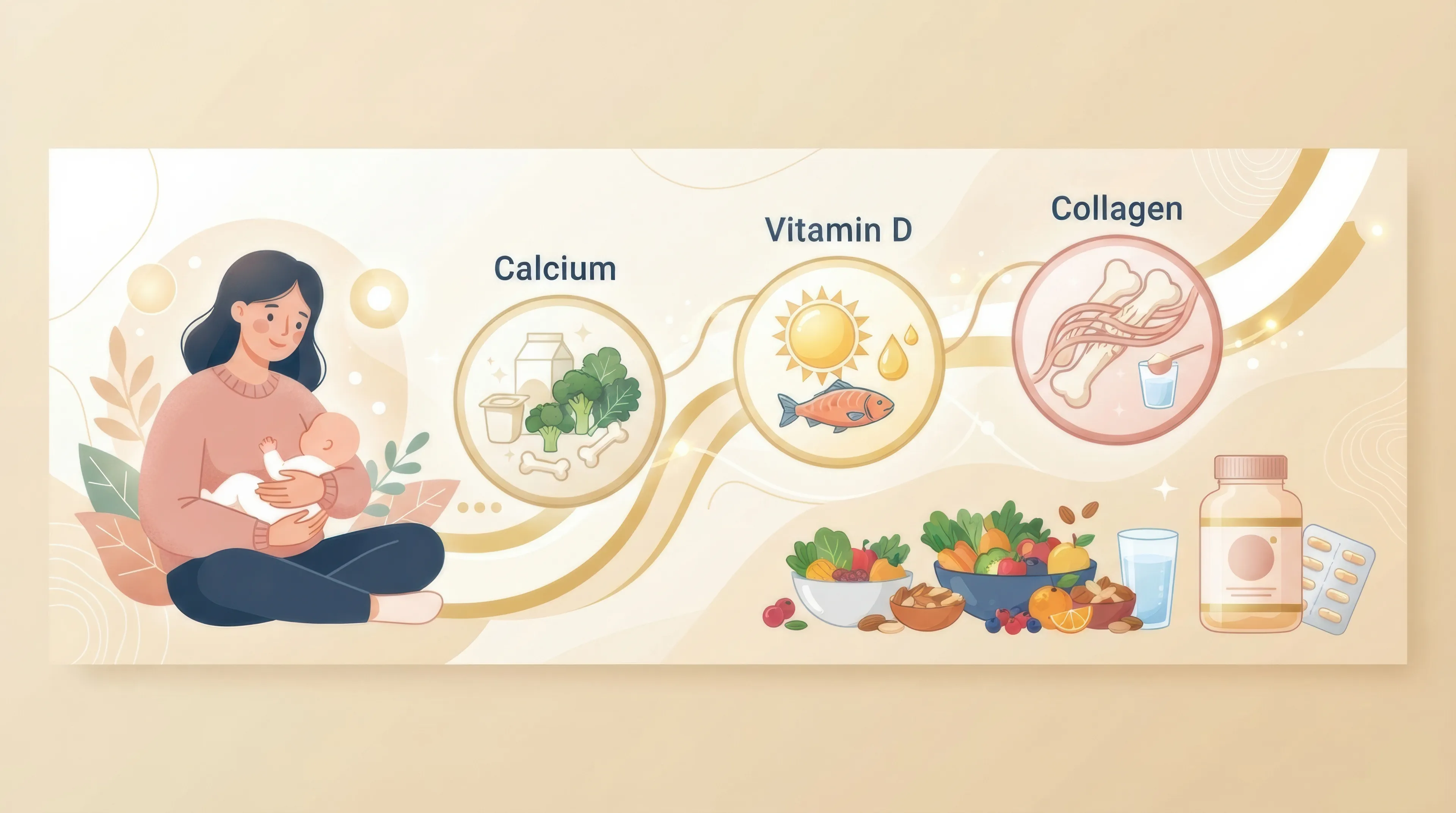
Alongside water, including fresh fruits in your meals is an outstanding way to consume essential vitamins, minerals, and dietary fiber. nclude a variety of fruits to provide vitamins, minerals, fiber, and fluids. Good options include:

  • Citrus Fruits: Oranges, clementines, and grapefruits are rich in vitamin C, which aids skin healing, supports immune function, and boosts iron absorption.
  • Berries: Blueberries, raspberries, and blackberries are fiber powerhouses that help maintain healthy gut motility and offer strong antioxidant benefits.
  • Melons and Papayas: Watermelon and cantaloupe have high water content, helping you stay hydrated. Ripe papaya is celebrated in many cultures as a traditional postpartum food that encourages healthy lactation.
  • Bananas: Highly portable and rich in potassium, making them a quick, energy-dense snack for busy afternoons.

When thinking about after baby delivery which fruits to eat, prioritize variety. Integrating these sweet, organic treats into your new baby mother food repertoire will keep your energy steady without relying on processed sugars.
 

Your Guide to Postpartum Meal Plans: Weekly Food Charts

To simplify your postpartum recovery, organizing your meals ahead of time can prevent decision fatigue. Creating a healthy diet plan for new born baby mother ensures that your household runs smoothly during those sleep-deprived weeks. Below are sample dietary charts designed to guide you through the first two months postpartum.

First-Month Postpartum Meal Plan

During the first few weeks, focus on warm, soothing, and easily digestible meals. Your digestive system is still recovering from the physical pressure of pregnancy and childbirth.

Mealtime 
Menu Options for the First Month 
Key Benefits 
Breakfast Warm oatmeal topped with chia seeds, sliced almonds, a dash of honey, and 1–2 boiled eggs Complex carbs for energy; protein and choline from eggs 
Mid-Morning A bowl of warm apple puree or a banana, paired with a small handful of walnuts Soluble fiber for digestion; healthy fats 
Lunch Yellow lentil soup (dal) with steamed brown rice, seasoned with cumin, alongside sautéed spinach Iron and protein; fiber and essential nutrients 
Afternoon SnackWhole-wheat toast with mashed avocado, or a cup of low-fat milk/plant-based alternative Healthy fats, carbohydrates, and calcium 
Dinner Baked salmon or firm tofu, served with roasted sweet potatoes and steamed zucchini Omega-3 fatty acids, protein, and vitamin A 

This first-month meal plan emphasizes nourishing, easy-to-digest foods that can help support postpartum recovery and provide sustained energy during breastfeeding.

Second-Month Postpartum Meal Plan

By the second month, you may find yourself moving around more as your physical healing progresses. Your energy demands remain high, and you can begin introducing a wider variety of fresh, fiber-rich foods.

  • Breakfast: A nutrient-packed smoothie made with spinach, frozen berries, Greek yogurt, and ground flaxseeds, served with a slice of whole-grain toast.
  • Mid-Morning Snack: Sliced apples with almond butter or a small cup of cottage cheese.
  • Lunch: A large Mediterranean salad featuring mixed leafy greens, grilled chicken breast or chickpeas, cherry tomatoes, cucumbers, and a drizzle of extra virgin olive oil.
  • Afternoon Snack: Hummus served with carrot sticks and whole-grain crackers.
  • Dinner: A comforting turkey or lentil chili cooked with tomatoes, bell peppers, and kidney beans, served over a small bed of quinoa.

Using this 2 month baby mother food chart as a reference point helps maintain your milk supply while encouraging safe, gradual postpartum recovery. Whether you utilize a newborn baby mother food chart or a customizable new born baby mother diet chart, the ultimate guide to after baby delivery food for mother choices focuses on keeping the newborn baby mother food you consume fresh, diverse, and minimally processed.

Guidelines for a Safe and Successful Lactation Journey

Whether you are exclusively breastfeeding or combining breastfeeding with other feeding methods, a balanced diet can help support your energy and nutritional needs. A mother feeding baby healthy food through lactation knows that a few small dietary adjustments can make a big difference in her infant's comfort and health:

  • Limit Caffeine: While a morning cup of coffee is generally safe, excessive caffeine can make its way into breast milk, potentially making your infant irritable or disrupting their sleep. Try to limit intake to 200–300 mg of caffeine per day (about 2 small cups of coffee).
  • Avoid High-Mercury Fish: While fish is excellent for DHA, avoid high-mercury species like king mackerel, tilefish, swordfish, and shark. Stick to safer options like salmon, cod, and shrimp.
  • Listen to Your Body's Hunger Cues: Do not restrict your calories to lose weight quickly. Rapid weight loss can decrease your milk supply and leave you feeling depleted. Let your body heal naturally.
  • Keep Nutrient-Dense Snacks Close by: Keep small bowls of nuts, seeds, or whole-grain crackers near your nursing chair. This keeps both mother feeding baby food preparation convenient and ensures you stay properly fueled during late-night feeds.

FAQS

What foods can support breastfeeding and postpartum recovery?

Oats, fenugreek, garlic, fennel seeds, and dark leafy greens are traditional foods known to support milk supply. However, the most effective way to sustain lactation is to maintain an adequate overall calorie intake, stay well-hydrated, and nurse or pump frequently.

What should I eat to support recovery after childbirth?

Focus on high-protein, iron-rich, and easily digestible foods. Warm bone broths, vegetable soups, eggs, chicken, lentils, and well-cooked grains are excellent choices that restore depleted nutrient reserves and support rapid tissue repair.

Can a mother's diet cause gas or fussiness in a breastfed baby?

While most babies are unaffected by their mother's diet, some may be sensitive to cow's milk, cruciferous vegetables (like broccoli or cabbage), or heavy spices. If you notice your baby is excessively fussy or gassy after you consume a specific food, try eliminating it for a week to see if symptoms improve.

Do breastfeeding mothers need a special diet?

You do not need a perfect or highly restrictive diet for new born baby mother to produce high-quality breast milk. Your body is remarkably efficient at prioritizing your baby's needs. However, eating a balanced diet ensures that your own body’s nutrient stores are not depleted in the process.

Are there foods I should avoid while breastfeeding?

You do not need to avoid specific foods unless you notice a clear reaction in your baby. However, you should strictly limit alcohol, avoid high-mercury fish, and moderate your caffeine intake to protect your baby's developing nervous system and sleep cycles.

Apollo 247 Floating Action Button