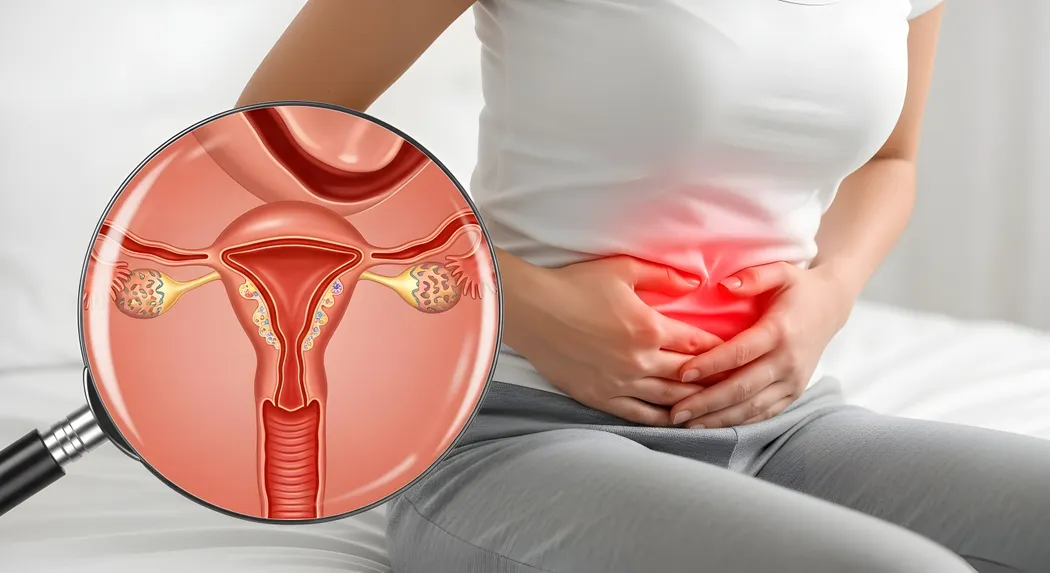
What Are the Treatment Options for Dysmenorrhoea?
Treatment depends on the severity of the pain, whether it is primary or secondary dysmenorrhoea and your overall health.
NSAIDs for Menstrual Pain
Non-steroidal anti-inflammatory drugs (NSAIDs), such as ibuprofen and mefenamic acid, can reduce menstrual pain by lowering prostaglandin production. They tend to work best when started at the beginning of the pain or, for predictable cycles, shortly before menstruation begins.
Take NSAIDs only as directed on the product label or by your healthcare professional. They are not suitable for everyone, particularly people with certain stomach, kidney, bleeding or cardiovascular conditions.
If you are looking for products intended for menstrual cramp relief, you can explore the Cramp Relief range available through Apollo Pharmacy. Check the individual product information and speak with your pharmacist or doctor if you are unsure whether a product is suitable for you.
Heat Therapy
Applying a warm, not hot, compress or heat pad to the lower abdomen can help reduce menstrual cramps. Use a comfortable temperature and avoid prolonged direct contact with the skin.
Physical Activity and Lifestyle Measures
Regular physical activity may help reduce menstrual pain for some women. Gentle exercise such as walking, cycling or stretching can also help you stay active during your period if you feel comfortable.
Adequate sleep and a balanced diet support overall health. Some evidence suggests that dietary patterns containing adequate omega-3 fatty acids may help reduce menstrual pain, although diet alone is not a treatment for severe dysmenorrhoea.
Hormonal Treatments
Hormonal contraceptives can reduce menstrual pain by suppressing ovulation and reducing the growth of the uterine lining. Options may include combined hormonal contraceptives, progestogen-only methods or a levonorgestrel-releasing intrauterine system.
These treatments require an individual assessment because they are not suitable for everyone. Your gynaecologist can discuss the benefits, risks and most appropriate option based on your medical history and contraceptive needs.
When dysmenorrhoea is caused by an underlying condition such as endometriosis, adenomyosis, fibroids or pelvic inflammatory disease, treatment is directed at the underlying condition.