logo
0

Dysmenorrhea Symptoms: Causes & Management Guide

Learn about dysmenorrhea symptoms, common causes of painful periods, home and OTC treatment options, warning signs, and when to see a doctor.

article image

Dr.Yusuf

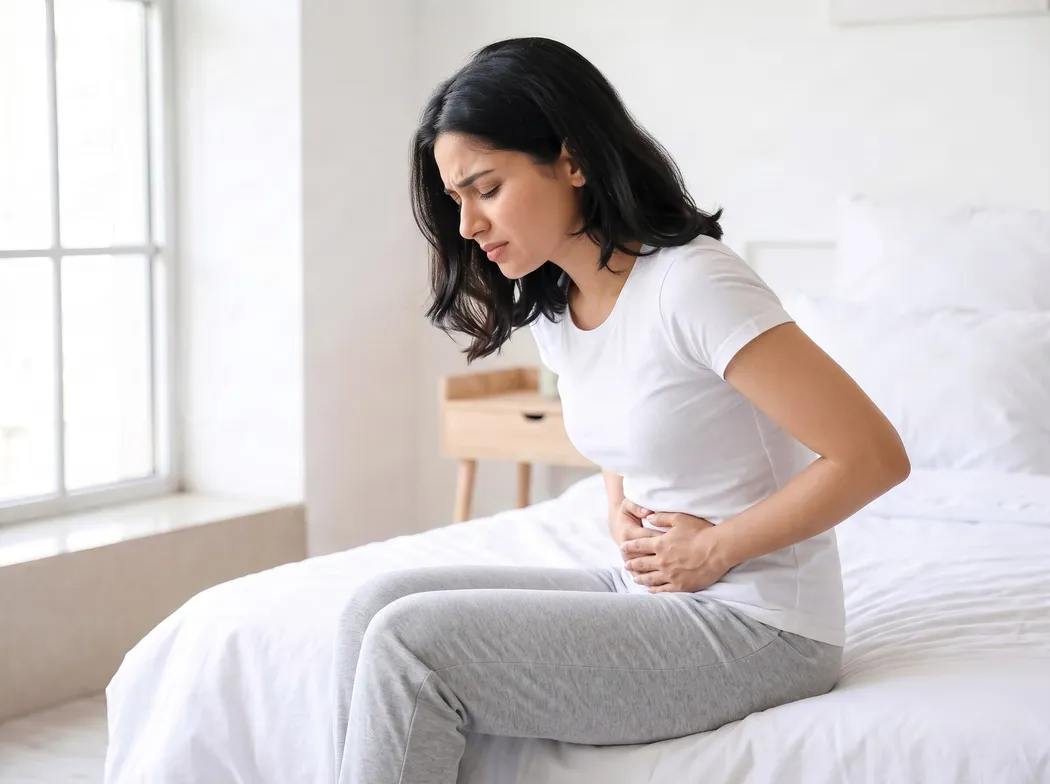
Painful periods are one of the most common gynaecological complaints, yet they are often dismissed as something women must simply endure. Dysmenorrhea symptoms range from a dull, familiar ache to cramps so severe they interrupt work, sleep, and daily life. Understanding what drives that pain, and knowing when it crosses a line that warrants medical attention, can make a real difference in how you manage your menstrual health.

What Is Dysmenorrhea?

Dysmenorrhea is the medical term for painful menstruation. It falls into two distinct types based on cause.

Primary dysmenorrhea is pain with no identifiable underlying disease. It typically begins within a year or two of the first period, usually starting a few hours before or just after bleeding begins, and lasting one to three days. The pain comes from natural chemical changes in the uterus during menstruation.

Secondary dysmenorrhea is period pain caused by a specific gynaecological condition such as endometriosis or fibroids. It tends to develop later in a woman's reproductive years, often worsens over time, and may last longer than primary pain. Unlike primary dysmenorrhea, it usually needs treatment of the underlying cause rather than symptom relief alone.

Common Symptoms of Dysmenorrhea

The hallmark is cramping in the lower abdomen, but dysmenorrhea symptoms rarely stop there. Common ones include:

  • Throbbing or cramping pain in the lower abdomen, ranging from mild to debilitating
  • Lower back and inner thigh aching.
  • Nausea, occasionally with vomiting
  • Loose stools or diarrhoea during the first day of bleeding
  • Headache and light-headedness
  • Fatigue and difficulty concentrating.

For many women, cramps are a manageable inconvenience. For others, severe menstrual cramps mean missed school days, cancelled plans, or hours spent unable to function. If your pain consistently disrupts normal life, or if standard over-the-counter remedies provide little relief, that qualifies as severe and deserves a proper evaluation.

Causes of Severe Menstrual Cramps

Prostaglandins: The Main Driver

The uterus sheds its lining each month by contracting. Prostaglandins are hormone-like chemicals that trigger those contractions. Higher levels lead to stronger, more prolonged contractions and therefore more intense period pain. This is the central mechanism behind primary dysmenorrhea and why prostaglandin-blocking medicines are often the first treatment recommended.

Conditions Behind Secondary Dysmenorrhea

When cramps are severe and persistent, a specific gynaecological condition is often responsible. Common period pain causes include:

  • Endometriosis, where tissue similar to the uterine lining grows outside the uterus, causing inflammation, scarring, and pain that can extend well beyond the period itself
  • Uterine fibroids, which are non-cancerous growths in the uterine wall that increase cramping and often cause heavier bleeding
  • Adenomyosis, in which the uterine lining grows into the muscular wall of the uterus, making contractions more painful and bleeding heavier
  • Pelvic inflammatory disease (PID), an infection of the reproductive organs usually linked to untreated sexually transmitted infections, which causes chronic pelvic pain that worsens during menstruation

Yes, fibroids can absolutely cause painful periods, and so can each of the conditions above. Identifying which one is involved changes the treatment approach significantly.

Managing Dysmenorrhea Symptoms at Home

Mild to moderate dysmenorrhea symptoms often respond well to self-care. The following approaches are widely recommended and have reasonable evidence behind them.

Heat Therapy

A hot water bottle or heat patch applied to the lower abdomen can help relax uterine muscle and ease cramping. Heat applied consistently over several hours is generally considered a useful non-pharmacological option for primary dysmenorrhea, though individual responses vary.

Regular, Light Exercise

Aerobic activity spread across the month, not just during your period, is thought to support hormonal balance and may reduce cramp severity over time. Even a brisk 30-minute walk on the early days of bleeding can ease discomfort for some women.

Dietary Adjustments

Reducing highly processed foods, excess salt, caffeine, and alcohol in the days before your period may limit bloating and sensitivity. Magnesium-rich foods such as dark leafy greens, nuts, and seeds are often suggested to support muscle relaxation, though individual responses vary.

OTC Pain Relief

The OTC pain relief tablet option for cramps is available at Apollo Pharmacy. Always follow the pack dosage instructions, and consult a pharmacist or doctor before starting any new medication. Starting them a day before bleeding is expected and continuing for the first two days tends to work better than waiting until pain peaks.

Report adverse events from any medicine to your healthcare provider or the relevant regulatory authority.

Contraindications and Precautions

NSAIDs are effective for painful period treatment, but they are not right for everyone. Avoid self-medicating with NSAIDs if you have:
  • A history of peptic ulcers or gastrointestinal bleeding
  • Significant kidney or liver disease
  • Known allergy or hypersensitivity to aspirin or other NSAIDs
  • Confirmed or suspected pregnancy
  • Poorly controlled high blood pressure or known cardiovascular risk
  • A bleeding disorder or current anticoagulant therapy

If any of these apply, speak with your doctor before taking any NSAID, including over-the-counter formulations.

Knowing when to see a doctor for period pain is just as important as managing symptoms at home. Some warning signs should not be ignored. Seek medical advice if:

  • Pain is severe enough to regularly disrupt work, study, or sleep despite OTC medication.
  • Bleeding is unusually heavy or lasts longer than seven days.
  • Pain onset is sudden and new, especially if you are over 25 and have not had severe cramps before
  • You have fever, unusual vaginal discharge, or pain during intercourse or urination alongside cramps.
  • Cramps are worsening cycle by cycle rather than staying stable

Severe period pain is one of the most common signs prompting investigation for endometriosis, fibroids, or adenomyosis. Early diagnosis matters because these conditions can affect fertility and overall wellbeing if left untreated. A gynaecologist can carry out a pelvic examination and, where needed, an ultrasound or other imaging to identify the cause.

Conclusion

Dysmenorrhea can cause anything from mild cramps to severe pain that affects daily life. Heat, regular exercise, healthy dietary habits, and appropriate pain relief can help manage symptoms. However, severe, worsening, or unusually painful periods may indicate conditions such as endometriosis, fibroids, or adenomyosis. If period pain interferes with your daily activities or comes with other concerning symptoms, consult a gynaecologist for proper evaluation and treatment.

FAQS

What is the main cause of dysmenorrhea?

In primary dysmenorrhea, the main cause is excess prostaglandins triggering strong uterine contractions. In secondary dysmenorrhea, an underlying condition such as endometriosis or fibroids is responsible.

How long does dysmenorrhea pain usually last?

Primary dysmenorrhea typically lasts one to three days from the start of bleeding. Secondary dysmenorrhea may begin before the period and persist throughout or beyond it, depending on the underlying condition.

Can dysmenorrhea be a sign of infertility?

Dysmenorrhea itself does not cause infertility, but some conditions behind it, particularly endometriosis and uterine fibroids, can affect fertility if untreated. Investigating severe or worsening cramps early gives you the best options.

What foods worsen menstrual cramps?

Foods high in salt, saturated fat, caffeine, and refined sugar have been linked to increased bloating and cramping in some women. Reducing these, especially in the week before your period, may help ease symptoms.

Is dysmenorrhea normal every month?

Some degree of period pain is common and considered normal. However, pain that is severe, worsening, or regularly interfering with daily life is not something to accept without evaluation. It can signal a treatable underlying condition.

Apollo 247 Floating Action Button