logo
0

Ectopic Pregnancy: Symptoms, Causes, Risks & Treatment

Learn about ectopic pregnancy symptoms, causes, risk factors, diagnosis, complications, treatment options, recovery and when to seek emergency medical care.

article image

Dr. Bhanu Prakash

An ectopic pregnancy is a medical emergency that can become life-threatening if not caught early. It occurs when a fertilised egg implants outside the uterus, most often in a fallopian tube, and recognising ectopic pregnancy symptoms as early as possible is critical to preventing serious harm. This guide explains what to watch for, why it happens, and what modern treatment involves.

What Is an Ectopic Pregnancy?

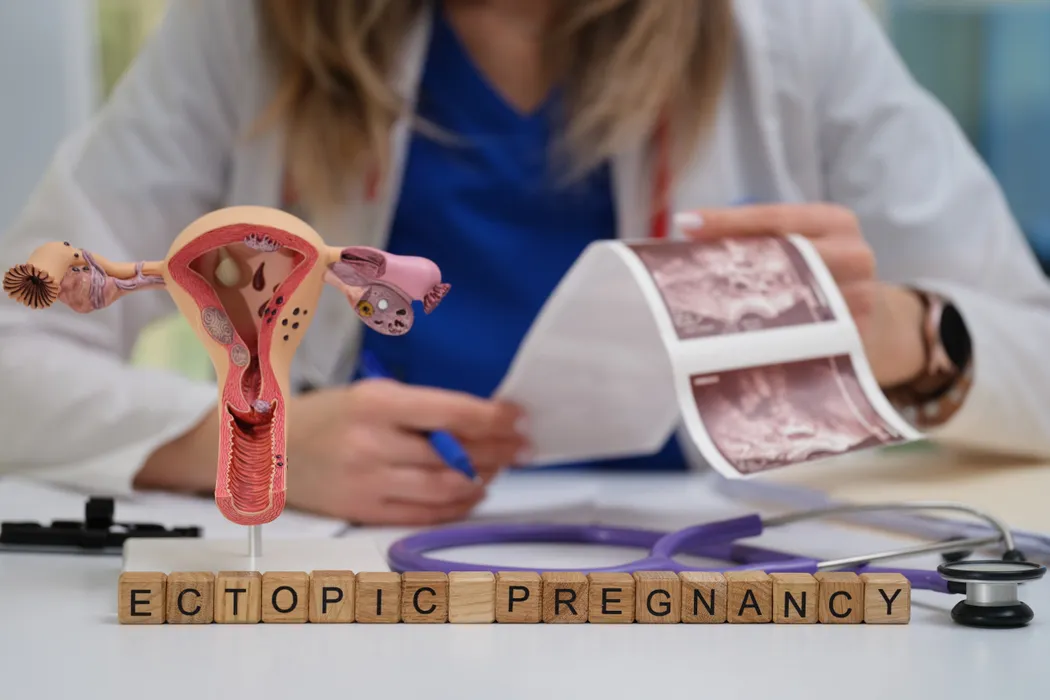
In a normal pregnancy, a fertilised egg travels down the fallopian tube and implants in the uterus. In an ectopic pregnancy, that implantation happens somewhere else. About 95% of cases occur in a fallopian tube, which is why the condition is also called a tubal pregnancy. Less commonly, implantation occurs on an ovary, in the cervix, or within the abdominal cavity.

The fallopian tube cannot support a growing embryo. It lacks the space and blood supply the uterus provides, so the pregnancy cannot survive. As the tissue grows, it will eventually cause the tube to rupture, triggering severe internal bleeding. An ectopic pregnancy is never viable and always requires prompt medical care.

Early Warning Signs and Symptoms

Ectopic pregnancy symptoms often appear between weeks 4 and 12, sometimes before a woman even knows she is pregnant. The signs of ectopic pregnancy can be easy to mistake for a normal early pregnancy or a miscarriage, which makes awareness especially important.

The classic warning signs include:

  • Sharp or cramping pain on one side of the lower abdomen or pelvis
  • Vaginal bleeding that may be lighter or darker than a normal period
  • Shoulder tip pain, caused by internal bleeding irritating the diaphragm

Other early ectopic pregnancy symptoms can include nausea, dizziness, and pain during bowel movements or urination.

When to Go to the Emergency Room?

Some symptoms suggest the fallopian tube may have already ruptured. Go to the emergency room immediately if you experience:

  • Sudden, severe abdominal or pelvic pain
  • Feeling faint or losing consciousness
  • Heavy internal bleeding signs such as a rapid heart rate and pale, clammy skin
  • Significant rectal pressure or a feeling of fullness in the pelvis

If you are pregnant and develop any of these symptoms, do not wait for a scheduled appointment. Call emergency services or go to the nearest hospital.

Causes and Risk Factors

Understanding ectopic pregnancy causes helps identify who may be at higher risk. Any condition that slows or blocks an egg's passage through the fallopian tube can increase the likelihood of ectopic implantation.

Key ectopic pregnancy causes and risk factors include:

  • Pelvic inflammatory disease (PID), often from untreated chlamydia or gonorrhoea, which can scar the tubes
  • A previous ectopic pregnancy, which significantly raises the chance of another
  • Prior surgery on the fallopian tubes, including sterilisation procedures
  • An intrauterine device (IUD) in place at the time of conception
  • Assisted reproduction techniques such as IVF
  • Endometriosis, which can distort tubal anatomy
  • Smoking, which can impair normal tubal function
  • Conceiving at age 35 or older

These ectopic pregnancy risk factors do not guarantee an ectopic outcome, but they do make early confirmation of the pregnancy's location especially important. Women with known risk factors should discuss early monitoring with their doctor as soon as they have a positive pregnancy test.

How Is an Ectopic Pregnancy Diagnosed?

Diagnosis typically combines a blood test and an ultrasound, and it can require more than one visit to confirm.

  • Beta-hCG blood test: A hormone called beta-human chorionic gonadotropin (beta-hCG) rises in early pregnancy. In a normal pregnancy, levels roughly double every 48 to 72 hours. A slower rise or a plateau can suggest the pregnancy is not developing normally inside the uterus, though a blood test alone cannot confirm an ectopic location.
  • Transvaginal ultrasound: A small probe placed inside the vagina gives a close view of the uterus and tubes. If no gestational sac is visible inside the uterus and beta-hCG is above a certain level, ectopic pregnancy becomes highly likely. Sometimes a mass or free fluid in the pelvis is directly visible.

Because neither test is always definitive on its own, repeat blood tests every 48 hours are common. If rupture is suspected, emergency surgery is performed without waiting for further results.

Complications If Left Untreated

An undiagnosed or untreated ectopic pregnancy carries serious, life-threatening risks.

As the embryo grows, the fallopian tube stretches until it ruptures, causing rapid internal bleeding into the abdominal cavity. Without immediate treatment, blood loss can lead to haemorrhagic shock, organ failure, and death. Tubal rupture is a surgical emergency.

Even without a full rupture, a leaking tube can cause significant blood loss and lasting pelvic damage. An ectopic pregnancy does not resolve on its own. Any delay in treatment increases the risk of a catastrophic outcome.

Treatment Options: Medical and Surgical

The right ectopic pregnancy treatment depends on how far the pregnancy has progressed, whether rupture has occurred, and the patient's overall health.

Medical Treatment: Methotrexate

Methotrexate stops rapidly dividing cells from growing, ending the ectopic pregnancy so the body can absorb the tissue over time. It is given as an injection and avoids surgery in suitable candidates.

Methotrexate is appropriate when:

  • The ectopic pregnancy is small and has not ruptured
  • Beta-hCG levels are below the threshold set by the treating doctor
  • The patient is haemodynamically stable, with no signs of significant bleeding
  • There are no contraindications to the medication (see below)
  • After the injection, serial beta-hCG measurements confirm that levels are falling.

Some women experience temporary pain as the tissue breaks down, typically a few days after treatment. Follow-up blood tests continue until beta-hCG reaches undetectable levels.

Surgical Treatment: Salpingectomy and Salpingostomy

Surgery is necessary when the tube has ruptured, when methotrexate is contraindicated, or when medical treatment has not worked.

  • Laparoscopic salpingectomy removes the affected fallopian tube entirely. It is the most common surgical approach and is usually performed as keyhole surgery under general anaesthesia.
  • Laparoscopic salpingostomy opens the tube, removes the ectopic tissue, and leaves the tube in place. It may be considered when preserving fertility is a priority and the tube is not too damaged, though the risk of a future ectopic pregnancy in that tube is slightly higher.
  • Open (laparotomy) surgery is used when internal bleeding is heavy and speed is essential.

Contraindications and Precautions for Methotrexate Therapy

Not everyone is a candidate for medical ectopic pregnancy treatment with methotrexate. It should not be used in women who:

  • Are breastfeeding
  • Have significant kidney or liver disease
  • Have a ruptured ectopic pregnancy or signs of internal bleeding
  • Have an immune deficiency condition
  • Have a blood disorder affecting clotting or white cell count
  • Cannot attend the required follow-up blood tests

Your doctor will check blood counts and kidney and liver function before prescribing methotrexate. Alcohol and folic acid supplements should be avoided during treatment and for a period afterward, as both can interfere with how the drug works or increase side effects.

Adverse Events and Side Effects

Methotrexate can cause nausea, mouth sores, fatigue, and temporary abdominal pain. More serious side effects, though uncommon at the doses used for ectopic pregnancy, include effects on the liver, bone marrow, and lungs. Report adverse events to your healthcare provider or the relevant regulatory authority promptly. Do not ignore new or worsening symptoms after treatment.

Recovery and Future Pregnancy Chances

Physical recovery after medical treatment usually takes a few weeks, with beta-hCG monitored until it is undetectable. Recovery after laparoscopic surgery is typically faster than open surgery, with most women returning to normal activities within two to four weeks.

Many women go on to have a successful pregnancy after an ectopic pregnancy. Fertility depends on the condition of the remaining fallopian tube and any underlying causes such as PID or endometriosis. If one tube has been removed, conception can still occur naturally through the other tube.

Most doctors recommend waiting at least two to three months before trying to conceive after methotrexate, to allow the medication to clear from the body and to ensure beta-hCG levels have fully normalised. After surgery, your doctor will advise on timing based on how you have healed.

In any subsequent pregnancy, early ultrasound confirmation of the implantation site is strongly recommended given the elevated risk of recurrence.

Conclusion

Ectopic pregnancy is a serious condition that requires prompt medical assessment and treatment. Early symptoms may include one-sided pelvic pain and vaginal bleeding, while severe pain, dizziness, fainting or shoulder-tip pain can indicate an emergency. Treatment may involve methotrexate or surgery depending on the pregnancy's location, size, symptoms and overall health. With appropriate treatment and follow-up, many women can have a successful pregnancy in the future. If ectopic pregnancy is suspected, seek medical care promptly rather than waiting for symptoms to worsen.
FAQS

What are the earliest signs of an ectopic pregnancy?

The earliest signs of ectopic pregnancy are often one-sided pelvic pain and light vaginal bleeding, appearing around weeks 4 to 6. Some women also notice shoulder tip pain if there is any internal bleeding.

Can an ectopic pregnancy be detected on a home pregnancy test?

Yes, a home pregnancy test will usually show a positive result because the embryo still produces hCG, but it cannot tell you where the pregnancy is located. A positive test combined with pain or bleeding always warrants urgent medical evaluation.

Is ectopic pregnancy painful before rupture?

Many women experience mild to moderate one-sided cramping or pelvic discomfort before rupture. The pain often intensifies suddenly at the point of rupture and may be accompanied by dizziness or fainting.

How common is ectopic pregnancy?

Ectopic pregnancy occurs in around 1% to 2% of pregnancies. The risk is higher in women with a previous ectopic pregnancy, pelvic infection, fallopian tube surgery or damage, smoking, or assisted reproductive techniques such as IVF.

Can lifestyle changes prevent ectopic pregnancy?

There is no guaranteed way to prevent an ectopic pregnancy, but reducing known risk factors helps. Not smoking, getting prompt treatment for sexually transmitted infections to prevent PID, and discussing your history openly with your doctor before conceiving all lower your overall risk.

Apollo 247 Floating Action Button