logo
0

Enfamil Milk Formula: Range, Enspire & Nutrition Composition

Explore Enfamil milk formula options, including Enspire, and learn about their nutritional composition, key ingredients, and suitability for infants.

article image

Dr.J.T.Hema Prathima

Choosing the right feed for a newborn is one of the first decisions parents face, and enfamil milk is among the formulas that frequently come up during that search. This article explains what the product range covers, how variants differ, what goes into each one nutritionally, and when formula should not be used, so you have clear, factual information before speaking with your paediatrician.

What Is Enfamil Milk Formula?

Enfamil is a brand of infant formula milk powder manufactured by Mead Johnson Nutrition. It is designed as a breast milk substitute or supplement for infants who cannot receive adequate breast milk. It is a food product, not a medicine, though it is formulated to meet specific nutritional standards for infant feeding.

The base of most Enfamil variants is cow's milk protein (whey and casein), vegetable oils as the fat source, and lactose as the primary carbohydrate. To this, the manufacturer adds vitamins, minerals, and functional ingredients such as DHA (docosahexaenoic acid) and ARA (arachidonic acid), fatty acids found in breast milk that are associated with brain and eye development.

Breast milk remains the recommended first choice for infant nutrition. Formula should be considered when breastfeeding is not possible or insufficient, and always after a conversation with your child's paediatrician.

Enfamil Formula Range: Key Variants

The enfamil formula range spans several product types, grouped broadly by the infant's age and specific nutritional needs. Understanding which category your baby falls into helps narrow down the right choice.

Stage-based formulas are the most commonly purchased:

  • Stage 1 (0 to 6 months): intended as a complete nutritional source for newborns.
  • Stage 2 (6 to 12 months): a follow-on formula for older infants already starting solid foods.
  • Stage 3 or toddler milk (12 months and above): designed to complement a mixed diet, not replace it.

Specialty variants address particular conditions or digestive needs:

  • Sensitive or comfort formulas for infants with reported fussiness or excessive gas, typically using reduced lactose or partially hydrolysed protein.
  • Gentlease, which uses partially broken-down proteins to support easier digestion in babies who seem uncomfortable on standard formula.
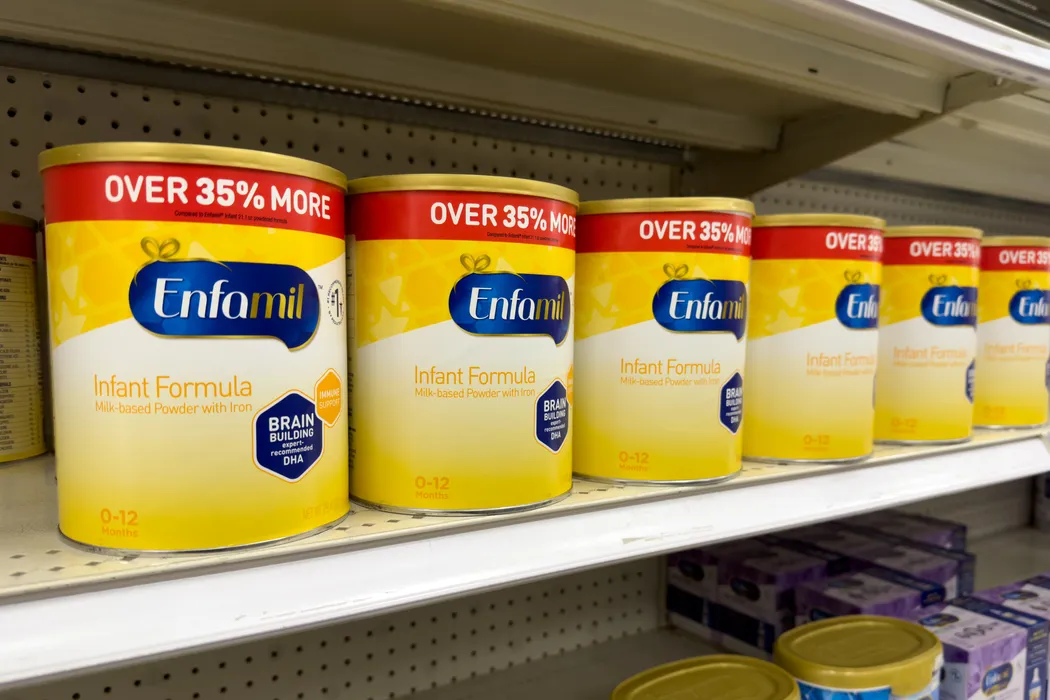
  • Enfamil Enspire, the premium-tier option, covered in the next section.

Availability of specific variants in India may differ from other markets. Always check the product label and confirm with your pharmacist which baby formula milk types are stocked locally before purchasing.

Enfamil Enspire: What Makes It Different

Enfamil Enspire is positioned as the brand's most comprehensive formula option. It includes two ingredients not consistently found in standard infant formula:

  • MFGM (Milk Fat Globule Membrane): a complex of proteins and lipids naturally present in breast milk. Some research suggests MFGM may support cognitive development, though the evidence base is still growing and stops short of conclusive claims.
  • Lactoferrin: an iron-binding protein found in colostrum and breast milk that may support immune function.

These additions distinguish enfamil enspire from the base range, but they do not make it equivalent to breast milk. No commercial formula fully replicates the dynamic, living composition of human milk. What Enspire offers is a more comprehensive ingredient profile relative to standard enfamil milk variants, which may matter to parents seeking a formula that more closely mirrors breast milk's known bioactive components.

Enspire is generally available in Stage 1 and Stage 2 formats and tends to be priced higher than other variants in the range.

Who Should Avoid Enfamil Formula (Contraindications)

Enfamil formula is not suitable for all infants. Do not use it if your baby has any of the following, without explicit guidance from a doctor:

  • Galactosaemia: a rare metabolic disorder where the body cannot process galactose, a component of lactose. Standard cow's milk-based formulas are contraindicated; a specialist formula is required.
  • Cow's milk protein allergy (CMPA): infants diagnosed with CMPA react to proteins in cow's milk. Standard Enfamil variants contain cow's milk protein and are not appropriate. An extensively hydrolysed or amino acid-based formula is typically recommended instead.
  • Primary lactose intolerance: uncommon in young infants but, when present, requires a lactose-free alternative.
  • Premature infants with specific medical needs: preterm babies often require a fortified preterm formula rather than a standard infant formula milk powder.

If you notice persistent vomiting, blood or mucus in stools, skin rashes, or severe colic after starting any formula, stop feeding and consult your paediatrician promptly. Report adverse events to your healthcare provider or the relevant regulatory authority.

How to Prepare and Store Formula Safely?

Correct preparation is as important as choosing the right product. Errors in mixing or storage can introduce infection risk or alter the nutritional balance your baby receives.

  • Water: use water that has been boiled and cooled to around 70 degrees Celsius when preparing formula for very young infants, or as directed on the label. This temperature helps reduce the risk of bacterial contamination. Allow prepared formula to cool before feeding.
  • Mixing: follow the scoop-to-water ratio on the label exactly. Adding too much powder concentrates the feed and puts strain on a baby's kidneys; too little under-nourishes. Never guess the ratio or use a heaped scoop unless the label instructs it.

Storage: prepared formula should be used within 2 hours if kept at room temperature. If refrigerated immediately after preparation, it can be stored for up to 24 hours. Discard any unused portion after a feed.

For broader guidance on settling into a newborn routine, see newborn care essentials beyond feeding.

Conclusion

Enfamil offers a range of infant formulas designed for different ages and nutritional needs, with variants such as Enspire providing additional ingredients such as MFGM and lactoferrin. However, no formula is identical to breast milk, and the best choice depends on your baby's age, health, nutritional requirements, and tolerance. Always follow the product's preparation and storage instructions carefully. If your baby has an allergy, digestive problems, was born prematurely, or needs a formula change, consult a paediatrician before making a switch.

FAQS

Is Enfamil milk formula safe for newborns?

Yes, Enfamil milk Stage 1 variants are formulated for use from birth and are considered safe for healthy, full-term newborns when prepared correctly. Parents of premature or medically complex infants should confirm the appropriate formula type with their paediatrician before use.

What is the difference between Enfamil and Enfamil Enspire?

Standard enfamil formula provides essential macronutrients, DHA, ARA, vitamins, and minerals. Enfamil Enspire adds MFGM and lactoferrin, two bioactive components also found in breast milk, making its ingredient profile closer to human milk than the base range.

Can Enfamil formula cause allergies?

Any cow's milk-based formula can trigger reactions in infants with cow's milk protein allergy. Symptoms include skin rashes, vomiting, diarrhoea, or excessive crying. If you suspect an allergy, stop feeding and see your doctor; do not switch to a different formula without medical advice.

Is a doctor's advice needed before switching formulas?

It is strongly advisable. Switching formulas, whether between variants or brands, can affect digestion and may mask or worsen underlying conditions such as CMPA. A paediatrician can identify the reason for switching and recommend the most appropriate alternative.

Apollo 247 Floating Action Button