logo
0

Iron Formula for Infants: Benefits, Types & Safety

Learn about iron-fortified formula for infants, when babies may need iron supplements, signs of iron deficiency, safe supplementation, and feeding guidance.

article image

Dr. Vasantha Sree

Iron is one of the most critical nutrients in your baby's first year, and understanding when iron formula is necessary can make a real difference to their growth. Many parents only discover a child has low iron after symptoms appear, so being informed early matters. This guide explains what iron-fortified formula is, who needs additional supplementation, and when to call your pediatrician.

Why Iron Matters for Infant Development

Iron does two jobs that nothing else can replace in a baby's body. First, it forms haemoglobin, the protein inside red blood cells that carries oxygen to every organ. Second, it plays a central role in myelination, the process of coating nerve fibres that allows the brain to transmit signals quickly and accurately.

Most healthy full-term newborns have sufficient iron stores for approximately the first six months, although iron status is influenced by factors such as gestational age, maternal iron status and the timing of umbilical-cord clamping. By around six months, infants need an additional dietary source of iron. Iron deficiency during infancy is associated with impaired development, which is why adequate iron intake and appropriate screening or supplementation for higher-risk infants are important.

Iron-Fortified Formula: What It Is and How Much Iron Babies Need

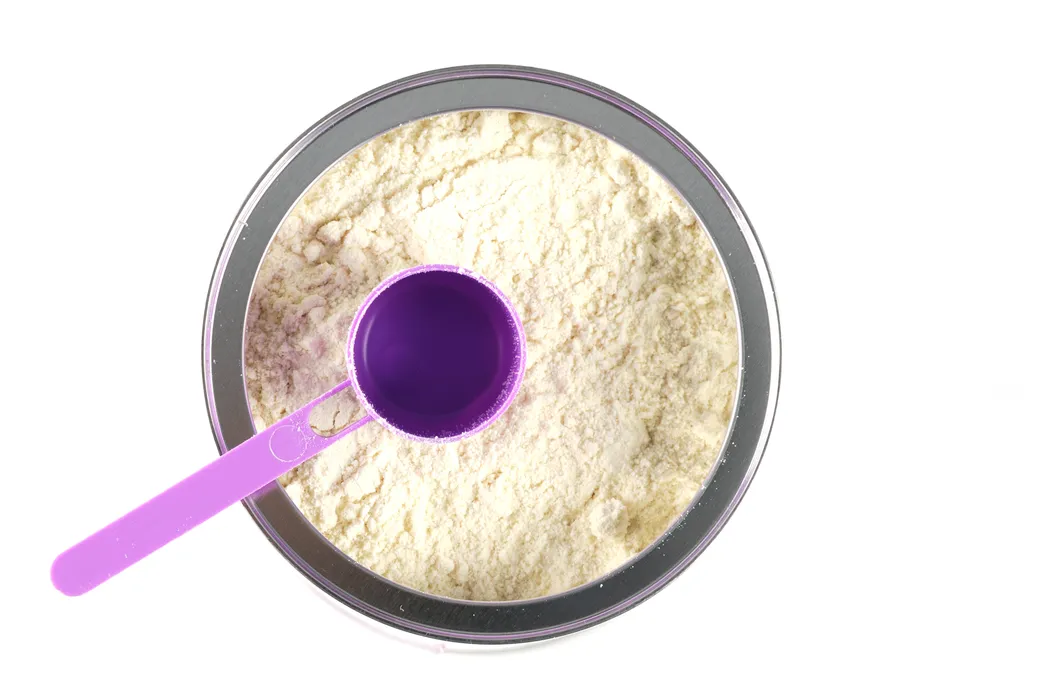
Iron-fortified infant formula is a commercially prepared breast-milk substitute that contains added iron to meet an infant's daily requirements. Standard cow's-milk-based formulas are available in low-iron and iron-fortified versions, but most paediatric bodies recommend the iron-fortified type for formula-fed infants.

Infant formula iron content varies between products. The amount of iron varies between infant-formula products and markets, so parents should check the nutrition information on the specific product label rather than assuming that every iron-fortified formula contains the same amount. Standard iron-fortified infant formula can provide the iron needed by most healthy formula-fed infants during the first year when used as directed.

When choosing a formula, look for the words "iron-fortified" on the label. If you are unsure whether a product meets your baby's needs, your paediatrician can review the options and guide your choice.

When Additional Iron Supplementation Is Necessary

Not every baby gets enough iron from formula or breast milk alone. Several groups face higher risk and may need iron drops for babies in addition to, or instead of, dietary sources. Knowing when do babies need iron supplements, and why, helps parents act before deficiency sets in.

Preterm and low-birth-weight infants may need additional iron because their iron stores and growth patterns differ from those of healthy full-term infants. WHO recommends enteral iron supplementation for human-milk-fed preterm or low-birth-weight infants who are not receiving iron from another source, with the dose and timing determined by the clinical team.

At around six months, breastfed infants need an additional source of iron because breast milk alone no longer provides all the iron they require. Iron-rich complementary foods, iron-fortified foods or an iron supplement may be appropriate depending on the baby's diet and individual circumstances. Discuss supplementation with your paediatrician rather than starting iron drops automatically.

Whole cow's milk should not be given as the main milk drink before 12 months. It is low in iron and does not provide the balance of nutrients infants need, and introducing it too early may also increase the risk of intestinal bleeding.

Maternal iron status can influence an infant's iron status, so babies born after pregnancies affected by significant maternal iron deficiency may warrant individual assessment by their paediatrician.

Signs of Iron Deficiency in Infants

Recognising baby iron deficiency signs early can prompt timely testing and treatment. Common signs include:

  • Unusual paleness of the skin, lips, or inner eyelids
  • Persistent tiredness or reduced activity, even after adequate sleep
  • Poor appetite or feeding difficulties
  • Slower-than-expected motor or developmental milestones
  • Irritability that seems disproportionate to the situation

These signs overlap with many other conditions, so they should never be used to self-diagnose. If you notice any of them, the right step is a paediatric evaluation with a blood test, typically a full blood count, rather than starting supplements on your own. If your baby is unwell and you are also managing other newborn concerns, the newborn care essentials guide may offer useful context for your first weeks at home.

Contraindications and Precautions for Iron Supplementation

Iron supplementation is not appropriate for every infant. The following situations require extra caution or make supplementation unsuitable without specialist guidance:

  • Haemochromatosis or hereditary iron overload disorders: giving additional iron worsens accumulation and can damage organs.
  • Haemolytic anaemia: Known or suspected iron-overload conditions require medical assessment before iron supplementation. Infants with conditions that affect iron metabolism or those receiving repeated blood transfusions may need specialist guidance before additional iron is given.
  • Infants receiving frequent blood transfusions: transfused blood provides iron directly, and additional supplementation may lead to iron overload.
  • Known allergy or intolerance to the supplement formulation: always check inactive ingredients with your pharmacist.

Iron overdose can be a medical emergency in children and may cause vomiting, abdominal pain, gastrointestinal bleeding and, in severe cases, serious organ damage.

Keep iron supplements securely out of children's reach and use only the dose recommended by your healthcare professional. Keep all iron preparations out of reach of children, use only the dose prescribed, and never use adult-strength preparations for infants.

Report adverse events to your healthcare provider or the relevant regulatory authority.

Talking to Your Pediatrician About Iron Formula and Supplements

Before starting, changing, or stopping any iron supplement for infants, speak to a qualified paediatrician. Blood tests can confirm whether your baby's iron levels are actually low, which removes the guesswork from the decision entirely.

A few points worth raising at your appointment:

  • Whether the current formula is iron-fortified, and if the iron level is appropriate for your baby's age and weight
  • Whether your baby falls into a higher-risk group, such as preterm birth or a breastfeeding-only diet past six months
  • The correct dose of iron drops, since dosing is based on body weight and getting it wrong carries real risks
  • Any symptoms you have noticed at home that concern you

Do not start supplementation based on a friend's recommendation or an online article alone. Self-prescribing iron for infants carries a genuine overdose risk, and giving iron when levels are already normal provides no benefit and may cause harm.

Conclusion

Iron is essential for healthy growth and development during infancy, but not every baby needs additional iron supplements. Most healthy, full-term formula-fed infants can obtain adequate iron from an appropriate iron-fortified formula, while breastfed, premature or

low-birth-weight babies may have different needs. Parents should avoid giving iron supplements without medical guidance because incorrect dosing can cause serious harm.

Choosing an appropriate formula, introducing iron-rich complementary foods at the right time, and discussing supplementation with your paediatrician can help ensure your baby receives the iron they need safely.

FAQS

Is iron-fortified formula better than regular formula?

For most formula-fed infants, iron-fortified infant formula is the preferred choice because it provides iron as part of the baby's regular feeding. Parents should choose a product appropriate for the baby's age and follow the preparation instructions on the label.

Can too much iron formula harm my baby?

Formula iron levels are set within a safe range for healthy infants, so consuming normal feeding volumes from an iron-fortified formula is not a concern. The overdose risk applies mainly to concentrated iron drops or supplements given in excess of the prescribed amount.

At what age should babies start iron supplements?

There is no single age that applies to every baby. Healthy full-term infants who receive adequate iron-fortified formula generally do not need additional iron supplements. Breastfed infants may need an additional source of iron from around six months, while preterm or low-birth-weight infants may require supplementation earlier under medical supervision. Your paediatrician can determine whether your baby needs iron based on feeding, birth history, growth and other risk factors.

Does iron formula cause constipation in babies?

Some parents notice firmer stools or a change in stool colour when a baby is on iron-fortified formula or iron drops. Changes in stool colour or consistency can occur with iron-containing products. However, persistent constipation, significant discomfort, vomiting or other concerning symptoms should be discussed with your paediatrician.

How long should babies stay on iron-fortified formula?

Iron-fortified infant formula can remain the main milk source through the first 12 months for babies who are formula-fed. Around six months, babies should also begin age-appropriate complementary foods that provide iron. After 12 months, pasteurised whole cow's milk can be introduced as part of a varied diet, while iron-rich foods remain important. Your paediatrician can advise when and how to transition based on your baby's growth and diet.
Apollo 247 Floating Action Button