logo
0

Farex Baby Food: A Complete Guide to Starting Solids

Discover how Farex baby food supports your infant’s growth. Learn about nutrition, preparation and safe weaning tips from health experts.

article image

Dr.Kamran

Welcoming a baby into the world brings a series of beautiful milestones. Among the most exciting, and sometimes daunting, is the transition from exclusive milk feeding to solid foods. As your baby grows, their nutritional needs change rapidly. Around the six-month mark, their natural iron stores begin to deplete, making dietary iron essential. For generations, parents have turned to Farex baby food as a trusted, gentle companion during this vital weaning journey.

Deciding what to feed your baby is a significant decision. This article will guide you through everything you need to know about Farex baby food, its nutritional benefits, how to safely introduce it to your little one and expert tips for a smooth transition to solid foods.

What is Farex Baby Food?

Farex baby food is a well-known brand of infant cereal formulated to ease babies into the world of solid nutrition. Originally developed to provide a smooth, easily digestible first food, it is highly regarded for its nutritional balance and fortification, particularly with iron.

Infant cereals like Farex are typically made from grains such as rice, wheat or ragi (finger millet), and are milled into a very fine powder. When mixed with breast milk, infant formula or warm boiled water, it creates a smooth, lump-free puree that is easy for a baby’s immature digestive system to process.

The Importance of Iron in Infant Nutrition

To understand why Farex baby food is so highly recommended by paediatricians and parents alike, it is helpful to look at the nutritional science of infant development.

According to the World Health Organization (WHO), infants are born with a natural store of iron that they accumulate while in the womb. However, by the time a baby reaches approximately six months of age, these internal iron stores are largely depleted. While breast milk and infant formula continue to provide essential vitamins, proteins and fats, they do not contain enough iron to meet the growing needs of a six-month-old baby.

Iron is a critical nutrient during this phase of rapid development because it:

  • Supports cognitive and brain development.
  • Assists in the production of haemoglobin, which carries oxygen throughout the body.
  • Helps maintain a healthy immune system.

Farex is specifically fortified with iron, making it an excellent dietary tool to bridge this nutritional gap during the crucial weaning phase.

When to Introduce Solids: The 6-Month Milestone

The World Health Organization (WHO) and the Centers for Disease Control and Prevention (CDC) recommend introducing complementary solid foods at around six months of age. Before this time, breast milk or infant formula provides all the hydration and nutrition your baby needs.

Introducing Farex baby food 6 months is a highly effective way to start. At six months, babies are developmentally ready to explore new textures.

Signs Your Baby is Ready for Solids

Age is not the only indicator of readiness. Before introducing Farex baby food 6 months, look for these physical and developmental signs in your baby:

  • Good Head Control: Your baby can hold their head steady and upright while sitting in a highchair.
  • Sitting Support: They can sit with little to no support.
  • Loss of the Tongue-Thrust Reflex: Younger babies automatically push food out of their mouths with their tongues. When this reflex fades, they can safely swallow soft foods.
  • Curiosity About Food: Your baby watches you eat, reaches for your plate or opens their mouth when food is nearby.
  • Double Birth Weight: Many babies are ready for solids when they have roughly doubled their birth weight.

If your baby shows these signs, it is a wonderful time to introduce their very first spoonful of cereal.

Nutritional Profile of Farex Baby Food

Farex is designed with a baby's delicate stomach and high nutritional demands in mind. Here is a breakdown of what makes it a valuable addition to your baby's daily diet:

  • Iron Fortification: As mentioned, this is the standout feature of Farex. It helps prevent iron-deficiency anaemia, which can impact cognitive development.
  • Vitamin C: Many Farex variants include Vitamin C, which significantly enhances the body’s ability to absorb iron.
  • Calcium and Vitamin D: Essential for building strong bones and teeth.
  • B-Vitamins: Including Thiamine, Riboflavin and Niacin, which support healthy metabolic function and energy release.
  • Gentle on the Stomach: The grains used are carefully processed to ensure they are easily digestible, reducing the risk of tummy upsets, gas or constipation.
  • No Added Nasties: High-quality baby food brands like Farex avoid the use of artificial colours, preservatives and artificial flavours, ensuring your baby receives clean, wholesome nutrition.

How to Safely Prepare Farex Baby Food

When preparing food for an infant, safety and hygiene are paramount. A baby’s immune system is still developing, making them more vulnerable to foodborne illnesses.

Follow these simple, step-by-step instructions to prepare Farex baby food safely:

Step 1: Cleanliness First

Before you begin, thoroughly wash your hands with soap and warm water. Ensure that all feeding utensils, bowls and spoons are washed, sterilised and dried completely.

Step 2: Prepare the Liquid

Boil safe drinking water and let it cool down until it is lukewarm. Alternatively, you can use warm breast milk or freshly prepared infant formula. Using breast milk or formula can make the transition easier for your baby, as the familiar taste offers comfort.

Step 3: Mix the Cereal

Add the recommended amount of Farex baby food powder to a clean bowl. Slowly pour in the warm liquid while stirring continuously to prevent lumps from forming.

  • For Beginners: Keep the consistency very runny, almost like thick milk. This helps your baby learn how to swallow solid food without choking.
  • As Baby Grows: You can gradually increase the thickness of the cereal to match your baby's developing chewing and swallowing abilities.

Step 4: Test the Temperature

Always test the temperature of the prepared cereal on the inside of your wrist before feeding it to your baby. It should feel comfortably warm, never hot.

Step 5: Feed Immediately

Feed the prepared cereal to your baby right away. Never save leftovers for a later feed, as bacteria from your baby’s saliva can quickly multiply in the remaining food.

Tips for a Successful Weaning Journey

Starting solids is a sensory adventure for your baby. They are experiencing new tastes, temperatures and textures for the very first time. Here are some expert tips to make the process enjoyable and stress-free:

  • Start Small: Your baby's stomach is only about the size of their fist. Begin with just one or two teaspoons of prepared Farex once a day.
  • Choose the Right Time: Offer solids when your baby is alert, happy and not overly hungry or tired. A mid-morning feed, about an hour after their milk feed, is often an ideal time.
  • Practise Responsive Feeding: Pay close attention to your baby’s hunger and fullness cues. If they turn their head away, close their mouth or push the spoon away, do not force them to finish. Respecting their appetite helps build healthy eating habits.
  • The Three-Day Rule: When introducing any new food, offer it exclusively for three consecutive days without introducing other new foods. This makes it easy to identify the source of any potential allergic reactions, such as skin rashes, vomiting or diarrhoea.
  • Keep Milks as the Primary Source: Remember that during the first year of life, breast milk or infant formula remains the primary source of nutrition and hydration. Solid foods are "complementary" and are meant to supplement, not replace, milk.

FAQS

Can I feed Farex baby food to a 4-month-old?

While some baby food packaging may state suitability from 4 months, major health authorities like the World Health Organization (WHO) and the Mayo Clinic strongly recommend waiting until close to 6 months for exclusive milk feeding. Always consult your paediatrician before introducing any solid foods earlier than 6 months.

Is Farex baby food gluten-free?

It depends on the specific variant you purchase. Rice-based Farex cereals are naturally gluten-free and are highly recommended as a first food. However, other variants containing wheat, barley or mixed grains do contain gluten. Check the product packaging carefully if your baby has specific dietary needs.
Can I mix Farex with fruit purees?

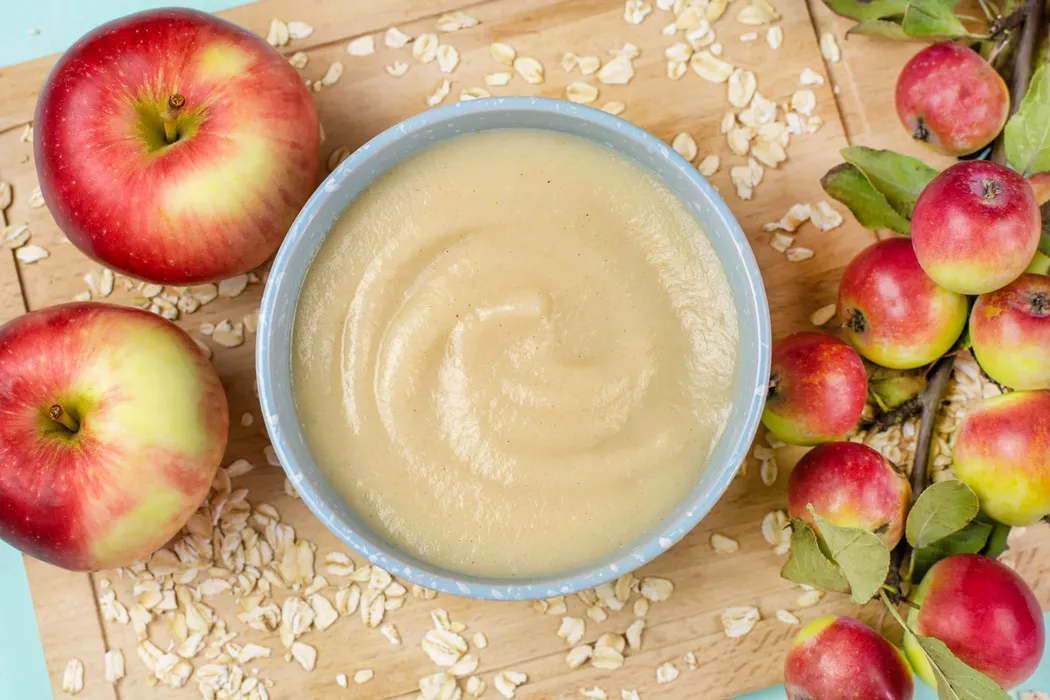
Yes! Once your baby has successfully tried Farex on its own and has safely tolerated individual fruits, such as apples, pears or bananas, you can mix homemade fruit purees into the cereal. This is a great way to introduce new flavours and increase nutrient intake.

What is the difference between Farex and regular homemade rice porridge?

While homemade rice porridge is an excellent option, it often lacks the standardised fortification found in commercial baby cereals. Farex baby food is specially fortified with iron, Vitamin C and other essential micronutrients in precise amounts to meet an infant’s developmental requirements.

Why do some people spell it "forex baby food"?

"Forex" is simply a very common typographical error or autocorrect mistake made when searching for the brand online. The correct spelling is Farex. Rest assured, whether you see the typo forex baby food or the correct term, they refer to the same highly regarded infant cereal.

Apollo 247 Floating Action Button