logo
0

Feeding After Vaccination and Medicines

Is it safe to mix medicine with milk for babies? Learn when to feed after polio drops, how to give baby medicine with food, and expert safety tips.

article image

Dr.Rohini priyanaka

Parenting is an incredibly rewarding journey, but it also comes with its fair share of anxious moments. When your little one is unwell, running a fever, or recovering from their routine vaccinations, it is entirely natural to feel overwhelmed. Administering medicine to a fussy, crying baby can be a major challenge.

During these stressful moments, parents often look for ways to make the process easier. You might wonder if you can slip the medication into their favourite drink or meal to help it go down smoothly. Many parents find themselves asking: Is it safe to mix medicine with milk for babies?

In this comprehensive guide, we will break down the medical facts surrounding feeding, medications, and vaccinations. We will explore the science of drug absorption, address common dietary questions regarding vaccinations like polio drops, and provide you with practical, paediatrician-approved tips to keep your baby safe, comfortable, and well-nourished.

Is It Safe to Mix Medicine with Milk for Babies? The Science Explained

When your baby refuses to take a bitter liquid medication, mixing it into a bottle of warm breast milk or formula seems like the perfect, stress-free solution. However, paediatricians and pharmacists generally advise against this practice.

To fully understand why, let us explore the scientific and practical reasons behind this recommendation. Knowing the facts helps explain why it is safe to mix medicine with milk for babies in some cases, but highly discouraged in others.

1. The Risk of Incomplete Dosing

The most significant practical issue with mixing medication into a bottle of milk is that babies do not always finish their feeds. If you mix a dose of acetaminophen or an antibiotic into a six-ounce bottle of formula, and your baby only drinks three ounces, they have only received half of the required dose. This makes it incredibly difficult to measure exactly how much medication your baby actually consumed, leaving you unsure of whether to give them more.

2. Chemical Interactions and Chelation

From a biochemical standpoint, milk is rich in calcium, proteins, and other minerals. Certain medications, especially specific classes of antibiotics, can bind to the calcium in milk. This chemical process is known as chelation. When a drug binds to calcium, it forms an insoluble compound that the baby’s digestive tract cannot absorb properly. As a result, the medication passes through the body without ever reaching the bloodstream to fight off the illness.

3. Altering the Taste of Milk

Babies have highly sensitive palates. If you mix a bitter or strongly flavored medication into their milk, they may detect the unpleasant taste. This can create a negative association with their bottle or breast, leading to a temporary or long-term refusal of milk altogether.

If you are struggling to soothe a crying infant, you might wonder, is it safe to mix medicine with milk for babies just this once? The general rule is to avoid it unless your paediatrician or pharmacist explicitly tells you it is safe for that specific medication.

Safe Alternatives to Try Instead:

  • The Syringe Trick: Administer the medicine in small amounts using an oral syringe. Aim for the inner pocket of your baby’s cheek (between the gum and the cheek) to make swallowing easier and prevent choking.
  • The "Chaser" Method: Give the medicine directly using a syringe, and immediately follow it with a small feed of breast milk or formula to wash away the bitter taste.
  • The Micro-Dose Mix: If your paediatrician confirms the medicine does not interact with milk, mix the dose into a very small volume of milk (no more than 1 to 2 teaspoons) in a medicine cup or syringe, ensuring your baby swallows the entire amount.

Giving Medicine with or Without Food

As your baby grows and transitions to solid foods, your questions about administering medication will naturally evolve. If your child is already eating solids, you might ask, Can I mix medicine with food for baby meals?

WITH/AFTER FOODWITHOUT FOOD
May help protect the stomach or improve absorption for some medicinesMay help prevent food from interfering with the absorption of certain medicines 
Ibuprofen (Advil/Motrin) Some antibiotics 
Some multivitamins Some fast-acting medicines 
Iron supplements (depending on the product) Medicines affected by calcium or other foods 

Mixing Medicine with Solid Foods

The answer is generally yes, with a few crucial caveats. If your baby has started solids, you can often mix liquid or crushed medications (if approved by a pharmacist) into a small spoonful of smooth, tasty foods. Excellent options include:

  • Unsweetened applesauce
  • Mashed bananas
  • Pear puree
  • Sweet potato puree

Important Safety Rule: Just like with milk, only mix the medicine into a very small portion (about one tablespoon) of the food. Ensure your baby eats that entire spoonful before offering the rest of their meal. Additionally, never mix medicine with honey for any child under 12 months old, as honey carries a risk of infant botulism, a rare but serious bacterial illness.

Giving Medicine on an Empty Stomach

This leads to another common question: can we give medicine to a baby without food?

Whether you can give medicine to a baby without food depends entirely on the specific drug:

  • Medicines that require food: Nonsteroidal anti-inflammatory drugs (NSAIDs) like infant ibuprofen can irritate the lining of an empty stomach. It is highly recommended to give these after a feed of milk or solid food.
  • Medicines that can be given without food: Acetaminophen (Tylenol) is generally gentle on the stomach and can be safely given with or without food. Some fast-acting medications are absorbed more quickly when the stomach is empty.
  • Always check the label: Certain antibiotics must be taken on an empty stomach to ensure maximum absorption, while others must be taken with food to prevent nausea. Always consult your pharmacist or read the packaging carefully.

Feeding Guidelines After Routine Vaccinations

Vaccinations are vital for protecting your baby from life-threatening diseases. However, they can also cause temporary side effects, such as mild fever, localized soreness at the injection site, and general fussiness.

Why Babies Lose Their Appetite After Vaccines

Do not be alarmed if your baby is not as hungry as usual in the 24 to 48 hours following a vaccination. Their immune system is hard at work building defenses, which can make them feel slightly fatigued or achy.

How to Feed a Fussy Baby Post-Vaccination:

  • Prioritize Hydration: Offer breast milk or formula more frequently in smaller amounts. Hydration is key to helping them manage post-vaccine fevers.
  • Do Not Force Solids: If your baby is refusing solid foods, do not force them. It is perfectly fine for them to rely solely on breast milk or formula for a day or two.
  • Comfort First: Hold your baby close, practice skin-to-skin contact, and keep their environment quiet and soothing to encourage feeding.

Navigating Oral Polio Drops and Feeding

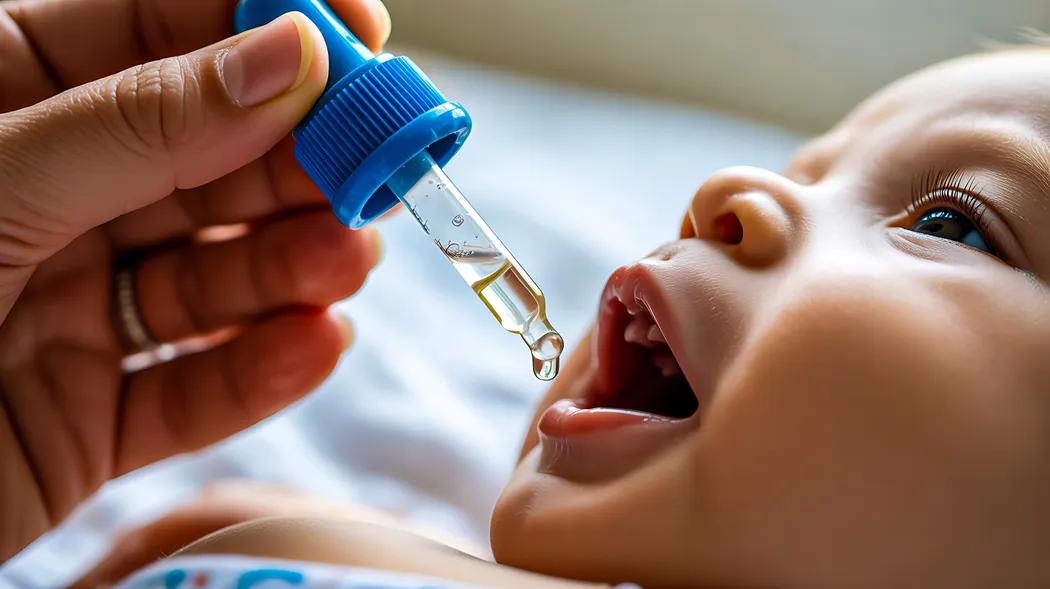
The Oral Polio Vaccine (OPV) is a highly effective, liquid vaccine administered directly into a baby's mouth. Because it is given orally, parents often receive specific instructions regarding feeding times immediately following the appointment.


BEFORE DROPS OPV ADMINISTERED AFTER DROPS
Avoid heavy feeding immediately before 2–3 liquid drops given orally Wait 15–30 minutes before giving milk/food 

A frequent question during immunizations is: Can a baby eat food after polio drops?

Historically, healthcare workers have recommended waiting before offering any food or liquid. The general medical consensus is to avoid feeding your baby for 15 to 30 minutes after they receive the oral polio vaccine.

To put your mind at ease regarding timing: can we give food to the baby after polio drops? Yes, you can absolutely feed your baby, but waiting those 15 to 30 minutes is the safest course of action.

This brief waiting period serves two important purposes:

  • Ensuring Absorption: It allows the vaccine drops to coat the lymphatic tissues in the mouth and throat, where the local immune response begins.
  • Preventing Spit-ups: Babies are prone to spitting up or vomiting if they are fed too quickly after having liquid dropped into the back of their mouths. If your baby vomits immediately after receiving the drops, they may lose the vaccine dose, requiring a repeat dose at a later date.

Dietary Choices After Polio Drops

For families who have introduced solids, a specific cultural query often arises: Can a baby eat non-veg after polio drops?

There are many myths surrounding what a baby can and cannot eat after receiving vaccinations. Some families worry that heavy proteins or non-vegetarian foods might cause indigestion or react poorly with the vaccine.

  • To be absolutely clear: there is no medical reason to restrict non-vegetarian food after your baby receives polio drops. If your child is older than six months and has already been safely introduced to pureed chicken, fish, or eggs, they can continue to eat these foods. However, because vaccinations can sometimes cause mild stomach sensitivity, it is always wise to stick to simple, easily digestible, and familiar foods for the first 24 hours.

Practical Checklist for Parents: Safe Medication Administration

To help you manage your baby's healthcare confidently, keep this practical checklist handy:

  • Always Consult a Professional: Speak to your paediatrician or pharmacist before mixing any medication with food or liquids.
  • Use the Right Tool: Never use a standard kitchen spoon to measure medication. Use the syringe, dropper, or dosing cup that came with the medicine.
  • Avoid the Whole Bottle: Never add medication to a full bottle of milk or a large bowl of food. Use a tiny portion to ensure they consume the entire dose.
  • Track the Dosage: Write down the time and dose of every medication you give to avoid accidental double-dosing.
  • Keep a Calm Environment: Administer medicine when your baby is relatively calm. Speak in a soothing voice and offer plenty of cuddles afterward.

Conclusion

Feeding your baby safely after medicines and vaccinations can feel challenging, but a few simple precautions can make the process easier. Avoid mixing medicines into a full bottle of milk or a large portion of food unless your paediatrician or pharmacist confirms it is appropriate, and follow the specific instructions for each medicine. After vaccinations, continue offering breast milk, formula, or familiar solid foods according to your baby’s appetite and feeding cues. For oral polio drops, follow the guidance given by your healthcare provider regarding feeding afterwards. Using the correct dosing device, keeping track of medicines, and seeking professional advice when unsure can help keep your baby safe and comfortable.

FAQS

Can I mix my baby's medicine with a small amount of expressed breast milk or formula?

Yes, if your paediatrician confirms that the medication does not interact chemically with milk. To do this safely, mix the medicine into a very small amount of milk (about 1 to 2 teaspoons) in a separate cup or syringe, and ensure your baby swallows the entire mixture. Follow this immediately with a regular feed.

What should I do if my baby vomits after taking medicine?

If your baby vomits within 15 to 20 minutes of taking a medication, do not immediately give them another dose without consulting your doctor or pharmacist. Doing so could lead to an accidental overdose. Your healthcare provider will advise you on whether it is safe to re-administer the medicine.
Can we give food to a baby immediately after polio drops?

It is best to wait 15 to 30 minutes after your baby receives oral polio drops before giving them any breast milk, formula, or solid food. This short delay helps prevent your baby from spitting up or vomiting, ensuring that the oral vaccine is fully and successfully absorbed.

Can a baby eat non-veg after polio drops or other vaccines?

Yes, babies who have already transitioned to solid foods can safely consume non-vegetarian options (such as finely pureed chicken, fish, or egg) after receiving polio drops. There are no medical or chemical interactions between polio vaccines and non-vegetarian foods. However, stick to easily digestible meals if your baby is feeling fussy or has a mild post-vaccine fever.

Is it safe to mix medicine with milk for babies?

Generally, it is not recommended to mix medicine directly into a baby's bottle of milk. If your baby does not finish the entire bottle, they will not get their full dose of medication. Furthermore, the calcium in milk can bind to certain medicines (like some antibiotics), preventing them from being properly absorbed by your baby's body. Always consult your paediatrician or pharmacist first.

Apollo 247 Floating Action Button