logo
0

Female Reproductive System: Anatomy, Parts & Functions

Labeled female reproductive system diagram with parts explained — ovaries, uterus, fallopian tubes & more. Reviewed by a medical expert.

article image

Dr.Bhanu Prakash

Understanding the female reproductive system is important for anyone managing their health, studying biology, or supporting a loved one through a reproductive health concern. A clear female reproductive system diagram helps make sense of how these organs work together to support menstruation, fertility, and pregnancy. This guide walks through each part, labeled and explained in plain language.

Overview of the Female Reproductive System

The female reproductive system is a group of organs that work together to produce eggs, enable fertilisation, support pregnancy, and regulate hormonal cycles. It also drives the monthly menstrual cycle, which prepares the body for a possible pregnancy each month.

The system has two main parts: external organs (collectively called the vulva) and internal organs (the vagina, uterus, fallopian tubes, and ovaries). Each part has a specific job, and problems with any one of them can affect fertility, menstruation, or general health.

Function of Each Reproductive Organ

Each part of the female reproductive system has a specific role in reproduction, menstruation, and sexual health. The key organs and their functions are explained below.

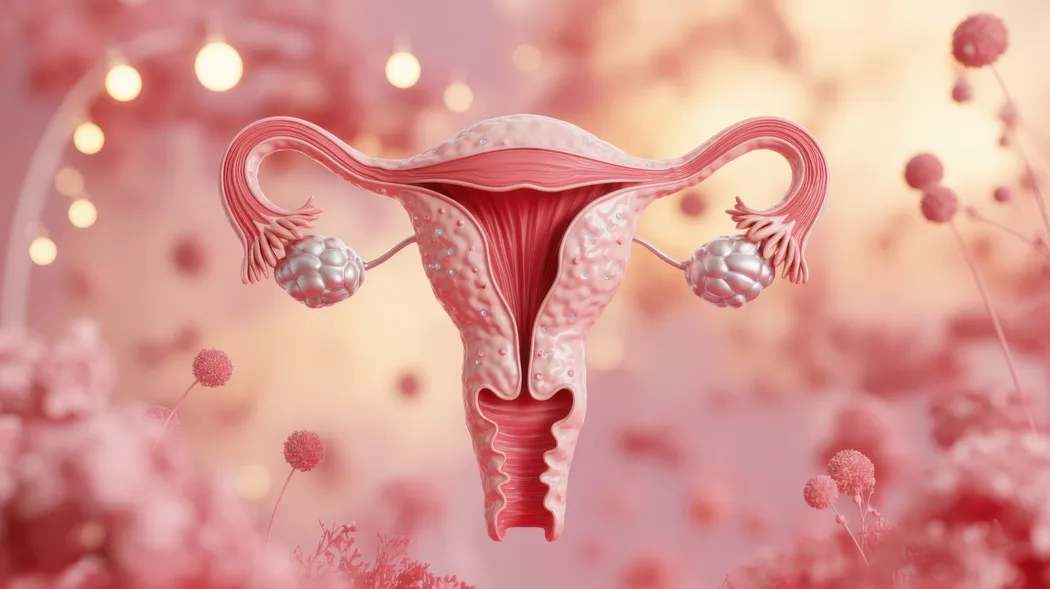
  • Ovaries: Produce and release eggs (ova) and secrete the hormones oestrogen and progesterone.
  • Fallopian Tubes: Carry the egg towards the uterus and are the usual site of fertilisation.
  • Uterus: Houses and supports a developing fetus during pregnancy.
  • Cervix: Forms the gateway between the uterus and vagina and produces cervical mucus that can aid or limit sperm passage.
  • Vagina: Functions as the birth canal, receives sperm during intercourse, and provides a passage for menstrual blood.
  • Labia Majora and Minora: Help protect the vaginal and urethral openings.
  • Clitoris: Contains a high concentration of nerve endings and plays an important role in sexual arousal.
  • Bartholin's Glands: Produce fluid that helps lubricate the vaginal opening.

Function of the Ovaries and Uterus in Detail

The ovaries are the reproductive system's hormonal control centers. Each month, one ovary typically releases a mature egg through ovulation. The ovaries also produce estrogen and progesterone, hormones that regulate the menstrual cycle, bone density, and mood.

The uterus, or womb, is where a fertilised egg implants and develops. Its inner lining, the endometrium, thickens each month in preparation for a possible pregnancy. If fertilisation does not occur, this lining sheds as menstrual blood, marking the start of a new cycle

Common Conditions Affecting the Female Reproductive System

Several conditions can disrupt normal function of the parts of female reproductive system organs. Recognising them early often leads to better outcomes.

  • Polycystic Ovary Syndrome (PCOS): A hormonal condition in which the ovaries may not release eggs regularly, often causing irregular periods, excess hair growth, and difficulty conceiving.
  • Endometriosis: Tissue similar to the uterine lining grows outside the uterus, commonly on the ovaries or fallopian tubes, causing pelvic pain and sometimes affecting fertility.
  • Uterine Fibroids: Non-cancerous growths within the uterine wall. Many women have no symptoms, but some experience heavy periods or pelvic pressure.
  • Ovarian Cysts: Fluid-filled sacs on the ovaries that are often harmless and resolve on their own, though some cause discomfort or need treatment.
  • Cervical and Uterine Cancers: Both can often be detected early through regular Pap smears and HPV testing, which is why routine gynecological screening matters.

A female reproductive system descriptions above are for education only and do not constitute a diagnosis. Always see a qualified doctor for any evaluation.

Report adverse events related to any treatment or medication to your healthcare provider or the relevant regulatory authority.

Who Should Not Delay Seeing a Doctor

Certain groups should prioritise timely gynecological evaluation rather than monitoring symptoms at home:

  • Anyone who is pregnant or planning to conceive and notices unusual symptoms
  • People with a personal or family history of ovarian, cervical, or uterine cancer
  • Adolescents who have not started menstruating by age 15 or 16
  • Anyone who has experienced a prior reproductive health condition such as endometriosis or PCOS and notices a change in symptoms

This is not an exhaustive list. When in doubt, a consultation is always the safer choice.

When to See a Doctor?

Not every variation in reproductive health signals a problem, but certain symptoms warrant prompt medical attention:

  • Irregular, very heavy, or completely absent periods
  • Pelvic pain that is severe, worsening, or persistent
  • Unusual vaginal discharge or bleeding between periods
    Pain during intercourse
  • Difficulty conceiving after 12 months of trying (or 6 months if you are over 35)
  • A lump or swelling in the lower abdomen

This content is educational. The female reproductive system information provided here are not a substitute for professional medical advice, diagnosis, or treatment.

Conclusion

Understanding the female reproductive system and the functions of its different organs can help women recognise normal changes and identify symptoms that may need medical attention. The ovaries, fallopian tubes, uterus, cervix, vagina, and external reproductive organs each have important roles in menstruation, fertility, pregnancy, and sexual health. Regular preventive care and timely medical evaluation can help detect conditions such as PCOS, endometriosis, fibroids, and reproductive cancers early. If you notice persistent pain, unusual bleeding, changes in your menstrual cycle, or other concerning symptoms, consult a qualified healthcare professional for appropriate evaluation.

FAQS

What are the 7 parts of the female reproductive system?

The commonly listed seven parts are the ovaries, fallopian tubes, uterus, cervix, vagina, labia (majora and minora), and clitoris. Some references also include the Bartholin's glands and mons pubis depending on how the system is defined.

What is the main function of the female reproductive system?

The system's primary roles are producing eggs, enabling fertilisation, supporting fetal development during pregnancy, and regulating the hormonal cycle that governs menstruation. It also produces estrogen and progesterone, which affect bone, mood, and overall health well beyond reproduction.

Where is the uterus located in the female body diagram?

The uterus sits in the centre of the pelvic cavity, between the bladder (in front) and the rectum (behind). In a labeled diagram of female reproductive system anatomy, it appears as a pear-shaped organ with the fallopian tubes branching from its upper corners and the cervix extending downward into the vagina.

What is the difference between the ovary and the uterus?

The ovaries produce and release eggs and secrete reproductive hormones. The uterus is the muscular womb where a fertilised egg implants and grows into a baby. They perform entirely different functions, though both are essential to reproduction.

How does the menstrual cycle relate to the reproductive organs?
The ovaries, uterus, fallopian tubes, and cervix all participate in the menstrual cycle. The ovaries release an egg each month; if it is not fertilised, the uterine lining sheds as menstrual blood. Hormones from the ovaries coordinate the timing of these changes across the entire cycle.

Apollo 247 Floating Action Button