logo
0

Ferrous Sulphate & Folic Acid: Pregnancy Guide

Learn about ferrous sulphate and folic acid tablets, their uses in pregnancy and iron deficiency, dosage, side effects, precautions and how to take them.

article image

Dr. Bhanu Prakash

Iron deficiency and neural tube defects are two of the most preventable health problems in pregnancy, and the ferrous sulphate and folic acid tablet addresses both at once. This combination supplement is prescribed widely across India, both for pregnant women and for adults with iron deficiency anaemia. If your doctor has just handed you a prescription, or you are trying to understand what you are taking, this guide walks through what the tablet does, how to take it, and what to watch for.

What Is Ferrous Sulphate and Folic Acid Tablet?

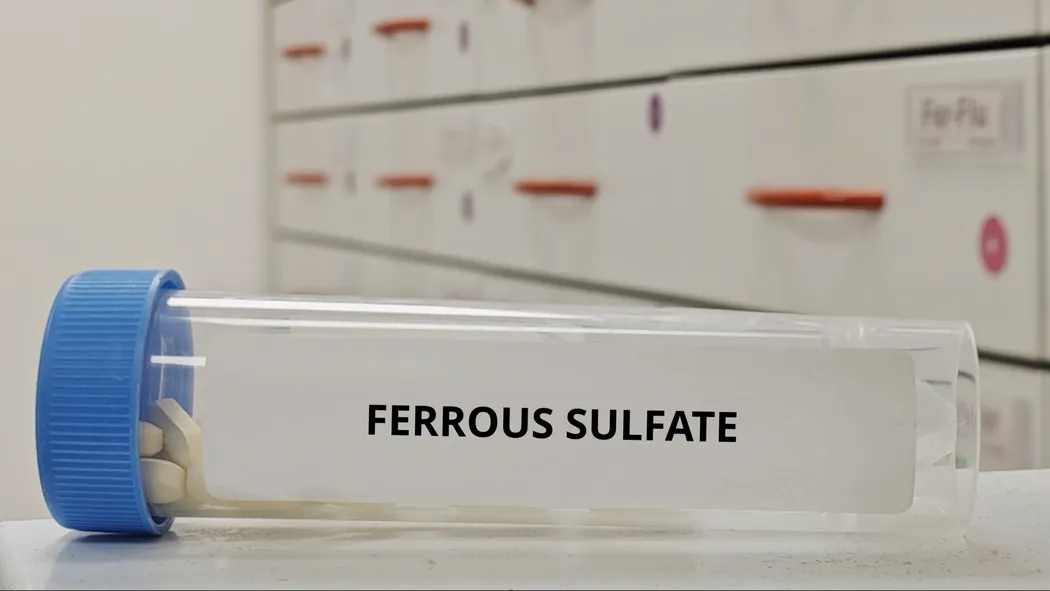
This is a fixed-dose combination of two nutrients: ferrous sulphate, a form of iron, and folic acid, a B-vitamin. Together, they support red blood cell production and healthy fetal development.

Ferrous sulphate works by replenishing iron stores in the body. Iron is a core part of haemoglobin, the protein in red blood cells that carries oxygen to every tissue. When iron is low, haemoglobin falls, and the blood cannot carry enough oxygen, leading to anaemia.

Folic acid (vitamin B9) is essential for DNA synthesis and cell division. Taken before and during early pregnancy, it reduces the risk of neural tube defects in the developing baby.

The two are combined into a single tablet because the conditions they target frequently appear together, especially during pregnancy, when demand for both nutrients rises sharply.

Why Iron and Folic Acid Matter in Pregnancy?

During pregnancy, blood volume increases significantly, and the growing baby draws heavily on maternal nutrient stores. The body needs more iron to make extra red blood cells and more folic acid to support rapid fetal cell division.

Iron and folic acid tablets for pregnancy are part of routine antenatal care in India and are recommended by national health programs. Guidelines generally advise starting folic acid supplementation before conception and continuing through at least the first trimester to protect against neural tube defects such as spina bifida. Iron supplementation is usually advised from early pregnancy onward, though your doctor will determine the right starting point based on your haemoglobin levels.

Key reasons this combination matters in pregnancy:

  • Neural tube development happens in the first four weeks, often before a woman knows she is pregnant, which is why early or pre-conception folic acid matters so much.
  • Maternal iron deficiency anaemia is linked to preterm birth, low birth weight, and fatigue that affects daily functioning.

The fetus draws iron from the mother regardless of her own stores, which can worsen maternal anaemia if intake is inadequate.

Iron Deficiency Anaemia: Signs and Who Needs This Tablet?

Iron deficiency anaemia is the most common nutritional deficiency in India, affecting pregnant women, adolescent girls, and many adults with poor dietary intake or absorption problems.

Common signs include:

  • Persistent tiredness or weakness that does not improve with rest
  • Pale skin, pale inner eyelids, or pale nail beds
  • Shortness of breath on mild exertion
  • Dizziness or headaches
  • Brittle nails or hair loss
  • Difficulty concentrating

Beyond pregnancy, ferrous sulphate use extends to non-pregnant adults with documented iron deficiency, people recovering from significant blood loss (surgery or heavy menstrual periods), and those with certain chronic conditions that impair iron absorption. A blood test confirming low haemoglobin or low serum ferritin is usually needed before supplementation begins.

Dosage and How to Take Iron and Folic Acid Tablets?

Your doctor or pharmacist will prescribe the dose suited to your specific situation. The information here is general and does not replace their guidance.

Tablets are typically taken once or twice daily depending on the severity of deficiency and whether you are pregnant. Folic acid dosage in pregnancy is generally higher than the maintenance dose used outside pregnancy.

Practical timing tips:

  • Iron absorbs best on an empty stomach, ideally 30 to 60 minutes before a meal.
    If the tablet causes nausea when taken fasting, take it with a light meal instead.
  • Avoid taking it alongside milk, tea, coffee, or antacids. Calcium and tannins reduce iron absorption.
  • A small glass of lime water or orange juice taken at the same time can improve absorption, as vitamin C helps the body take up iron.

When to take iron tablets during pregnancy is something many patients ask about. Most doctors advise a consistent daily time to build a habit. Many women find the evening or bedtime easier to tolerate than the morning. Follow your prescriber's specific instructions.

Side Effects to Watch For

Iron folic acid tablet side effects are mostly gastrointestinal and more common at higher doses.

Frequently reported effects include:

  • Nausea or stomach cramps, especially when taken on an empty stomach
  • Dark or black stools (harmless and expected with iron supplementation)
  • Constipation
  • Occasionally, diarrhoea or a metallic taste in the mouth

Most of these settle after the first one to two weeks as the body adjusts. Drinking more water, eating more fibre, and splitting the dose across the day can help with constipation.

Seek medical attention if you experience severe abdominal pain, vomiting that prevents you from keeping the tablet down, signs of an allergic reaction such as rash, swelling, or difficulty breathing, or stools that appear bright red or tarry black, which may indicate bleeding rather than the expected darkening from iron.

Report adverse events to your healthcare provider or the relevant regulatory authority.

Conclusion

Ferrous sulphate and folic acid tablets can help prevent or treat iron and folate deficiencies, particularly during pregnancy when the body's nutritional requirements increase. Taking these supplements as prescribed can support healthy red blood cell production and fetal development. The appropriate dose and duration depend on individual needs, blood test results and stage of pregnancy. If you experience troublesome side effects or have concerns about your supplements, speak with your doctor or pharmacist before changing or stopping treatment.

FAQS

Can I take folic acid and iron tablets together daily?

Yes, the combination tablet is designed to be taken daily, and the two nutrients do not interfere with each other. Your doctor will specify the right daily dose and duration based on your blood results and whether you are pregnant.

What happens if I miss a dose of iron folic acid tablet?

Take the missed dose as soon as you remember, unless it is almost time for your next dose. In that case, skip the missed dose and continue your regular schedule. Do not double up to make up for a missed tablet.

Can iron tablets cause constipation in pregnancy?

Yes, constipation is one of the more common side effects. Drinking plenty of water, increasing fibre in your diet through fruits and vegetables, and staying physically active (within what your doctor advises) can help. If constipation is severe, speak to your doctor before stopping the tablet.

Is ferrous sulphate safe in the first trimester?

Ferrous sulphate is generally considered safe in the first trimester and is routinely prescribed during early pregnancy in India. Your doctor will assess your haemoglobin and decide the appropriate dose and timing for you.

How long should I take iron and folic acid supplements?

Duration depends on your individual condition. In pregnancy, supplementation often continues through delivery and sometimes into the postnatal period. For iron deficiency anaemia treatment outside pregnancy, most doctors recommend continuing for three to six months after haemoglobin levels return to normal, to rebuild iron stores fully. Follow your doctor's guidance rather than stopping when you feel better.

Apollo 247 Floating Action Button