logo
0

Figs for Babies: Is Anjeer Good for Babies?

Learn when babies can eat figs, their nutritional benefits, safe serving tips, and precautions for introducing this fruit.

article image

Dr.Mayank

Introducing solid foods to your infant is one of the most exciting milestones of early parenthood. As your little one transitions from exclusive breastfeeding or formula feeding, you might find yourself exploring a colorful world of fruits, vegetables, and grains. During this journey, many parents consider introducing sweet, nutrient-dense fruits like figs—also widely known as anjeer in many cultures.

But is anjeer good for babies? If you are asking yourself, "Can I give figs to my baby?", you have come to the right place. Figs are incredibly delicious, naturally sweet, and packed with essential nutrients that can support your growing child. However, because a baby's digestive system is still developing, it is crucial to understand how, when, and in what quantity to introduce this fruit.

In this comprehensive guide, we will explore the nutritional value of figs, answer your safety questions, provide easy recipes like fig puree for baby meals, and outline key precautions to keep your little one healthy and happy.

When Can Babies Eat Figs?

Before you ask, "Can I give figs to my baby?", it's important to understand the best age to introduce them. According to the World Health Organization (WHO) and the Centers for Disease Control and Prevention (CDC), infants can begin eating solid foods around six months of age.

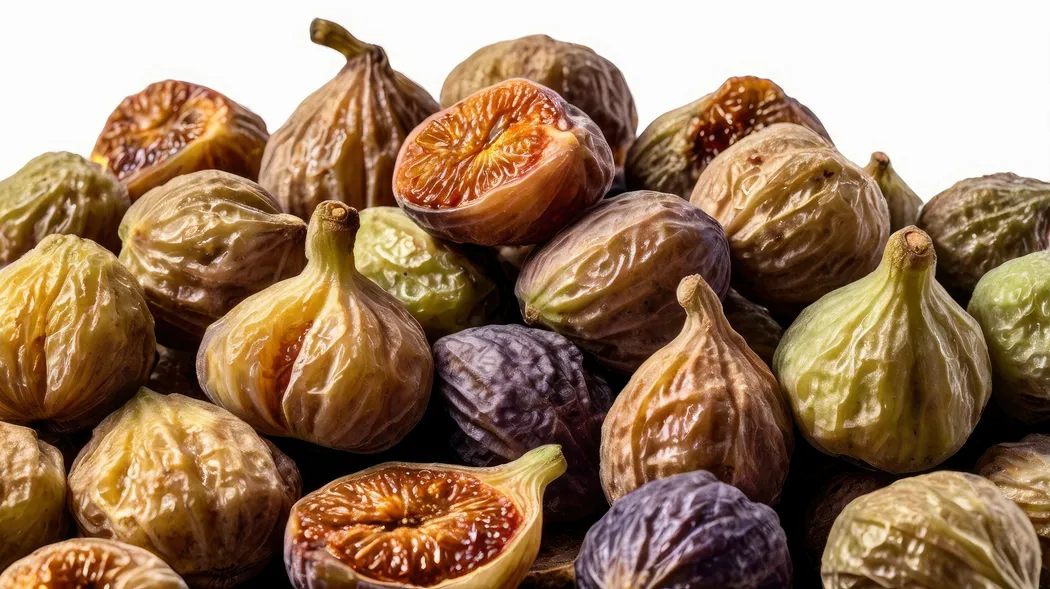
At six months, you can introduce soft, thoroughly mashed, or pureed fresh figs. Fresh figs have a delicate skin, a soft interior, and tiny, edible seeds. When fully ripe, they are easy to blend into a smooth consistency.

Can I Give Anjeer to My 8 Month Baby?

If your child is slightly older, you might ask: can I give anjeer to my 8 month old baby? Yes, absolutely! By eight months, most babies are developing better swallowing reflexes and can handle slightly thicker textures.

However, dried figs (anjeer) are very tough, chewy, and pose a severe choking hazard if given whole or in large chunks. If you want to give dried anjeer to an 8-month-old, you must first soak it in hot water until it is completely soft and plump, and then blend it into a smooth paste.

Nutritional Profile of Figs

Figs are a nutritional powerhouse. Whether fresh or dried, they contain a wide variety of vitamins and minerals that support your baby's rapid growth. Here is what makes figs so healthy for your growing infant:

  • Dietary fibre: Crucial for healthy digestion and preventing constipation.
  • Calcium: Essential for the development of strong bones and teeth.
  • Iron: Helps in the production of hemoglobin and prevents iron-deficiency anemia.
  • Potassium: Supports healthy heart function and balances fluids in the body.
  • Magnesium: Aids nerve function and muscle development.
  • Antioxidants: Helps protect cells from damage and boosts the immune system.

Why Is Anjeer Good for Babies? 5 Key Health Benefits

To answer the question of whether is anjeer good for babies, we must look closely at how this fruit impacts an infant's developing body. Here are five major health benefits of introducing figs to your baby's diet:

1. Relieves and Prevents Constipation


Constipation is a common issue when infants transition to solid foods. Their digestive tracts are learning to process new textures and compounds. Because figs are highly rich in dietary fibre, they act as a gentle, natural laxative. Offering a small amount of fig puree baby food can help regulate your baby’s bowel movements and ease abdominal discomfort.

2. Supports Bone and Muscle Development

During the first year of life, babies grow at an astonishing rate. To build sturdy bones, their bodies require a steady supply of calcium and magnesium. Figs are one of the few fruits that contain a significant amount of calcium, making them an excellent plant-based addition to support your baby’s skeletal system.

3. Boosts the Immune System

Babies have developing immune systems, making them susceptible to seasonal coughs and colds. Figs are rich in essential vitamins (such as Vitamin C and B vitamins) and antioxidants. These nutrients help strengthen your baby's natural defense mechanisms, helping them fight off common infections.

4. Promotes Healthy Brain and Blood Development

Iron is a critical nutrient for infants, especially after six months when their natural iron stores begin to deplete. The iron found in figs assists in red blood cell production, ensuring oxygen is efficiently carried throughout the body. Additionally, the potassium in figs supports healthy brain development and neurological functions.

5. Highly Digestible and Energy-Dense

Babies have very small stomachs but high energy needs. Fresh figs are easy on the stomach when cooked and mashed properly. They provide a quick, natural source of energy from healthy carbohydrates without requiring your baby to eat large volumes of food.

How to Prepare Figs for Your Baby: Step-by-Step Recipes

If you are ready to introduce this sweet fruit to your little one, the best way to start is with a simple, smooth puree. Let's look at how to prepare both fresh and dried figs safely.

1. Fresh Fig Puree for Baby (6 Months +)

Fresh ripe figs are naturally soft, but steaming them slightly makes them even easier to digest and blend.

  • Step 1: Choose ripe, organic fresh figs. They should be slightly soft to the touch but not mushy or bruised.
  • Step 2: Wash the figs thoroughly under running water to remove any dirt or residue.
  • Step 3: Cut off the stems and chop the figs into small pieces. You do not need to peel them if the skin is very thin and soft, but peeling is recommended for younger babies to ensure an ultra-smooth texture.
  • Step 4: Place the chopped figs in a steamer basket over boiling water and steam for about 3 to 5 minutes until tender.
  • Step 5: Transfer the steamed figs to a blender or food processor. Blend until completely smooth. You can add a splash of breast milk, formula, or warm water to achieve the desired consistency.

2. Sweet Dried Fig Puree Baby Food (8 Months +)

If you have dried figs at home, you can create a delicious, naturally sweet paste. This is a great option if you were wondering: can I give anjeer to my 8 month baby?

  • Step 1: Take 1 or 2 dried figs (anjeer) and wash them thoroughly.
  • Step 2: Soak the dried figs in warm water for at least 4 to 6 hours (or overnight) until they become soft, plump, and double in size.
  • Step 3: Drain the soaking water (or save a small amount to thin the puree).
  • Step 4: Chop the softened figs into tiny pieces.
  • Step 5: Blend the pieces into a fine paste. Because dried figs are naturally very sweet, you can mix this paste into your baby's plain oatmeal, ragi porridge, or unsweetened yogurt to balance the flavor.

Safety Precautions and Potential Side Effects

While we have established that the answer to "is fig good for babies" is a resounding yes, safety should always come first. Keep these essential precautions in mind:

  • The Three-Day Rule: Whenever you introduce a new food, feed it to your baby for three consecutive days without introducing any other new foods. This allows you to monitor your baby for any signs of an allergic reaction.
  • Latex-Fruit Syndrome: If your baby has a known sensitivity to latex, they may also react to figs. Keep a close eye out for rashes, hives, swelling, or breathing difficulties. If any of these occur, seek medical help immediately.
  • Choking Hazard: Never give whole, large pieces of fresh or dried figs to babies. Dried figs are exceptionally chewy and can easily get stuck in a baby's throat.
  • Sugar Content: Dried figs are highly concentrated in natural sugars. While these are healthier than refined sugars, excessive consumption can lead to tooth decay or a preference for overly sweet foods. Serve dried fig puree in moderation.
  • Diarrhea Risk: Because figs are high in fibre, feeding your baby too much can cause loose stools or diarrhea. Stick to small portions—about one to two tablespoons of puree at a time.

Conclusion

In summary, figs (anjeer) can be a nutritious addition to your baby’s diet when introduced at the appropriate age and prepared safely. They provide dietary fibre, calcium, vitamins, and minerals that support healthy growth and digestion. Whether you choose fresh fig purée or appropriately prepared dried fig purée for an older infant, always use an age-appropriate texture, introduce new foods gradually, and consult your paediatrician if you have concerns about your baby’s nutrition.

FAQS

Is anjeer good for babies daily?

While anjeer is highly nutritious, it is best not to feed it to your baby every single day in large quantities. Because of its high fibre and natural sugar content, offering it 2 to 3 times a week is ideal to prevent digestive upset like diarrhea.

Can I feed my baby the seeds in fresh figs?

Yes, the tiny seeds inside fresh figs are generally safe for babies to consume once they are blended into a smooth puree. However, if your baby has a very sensitive stomach, you can strain the puree through a fine-mesh sieve to remove the seeds before serving.

How do I choose the best fresh figs for my baby?

Look for fresh figs that are plump, tender (but not mushy), and have a rich, deep color. Avoid figs that have bruises, soft spots, a sour smell, or signs of mold.

Can I mix fig puree with other fruits?

Absolutely! Fig puree pairs wonderfully with other baby-friendly foods. Try mixing it with unsweetened applesauce, pear puree, mashed bananas, oatmeal, or plain whole-milk yogurt.

What should I do if my baby gets diarrhea after eating figs?

If your baby develops loose stools, temporarily stop giving them figs. Ensure they stay well-hydrated with breast milk or formula. Once their digestion returns to normal, you can reintroduce figs in much smaller quantities.

Apollo 247 Floating Action Button