How to Make Finger Food for Baby Safely?
Safety is the top priority when preparing meals for your infant. When learning how to make finger food for baby at home, start by modifying textures and sizes to eliminate choking hazards.
When learning how to prepare healthy finger food recipes for babies, safety is highly manageable if you follow these fundamental rules:
1. Perform the "Pinch Test"
Before giving any food to your baby, press it between your thumb and index finger. If it squashes easily, it is soft enough for your baby to mash with their gums. If it does not squash (like a raw carrot or a firm piece of apple), it is a choking hazard and needs to be cooked further.
2. Cut Foods Correctly
- For 7–8 months: Cut foods into long, thick strips about the size of two adult fingers joined together.
- For 9–12 months: Cut foods into small, pea-sized pieces that fit easily inside their mouth without requiring biting off large chunks.
- Always avoid round shapes: Cut cherry tomatoes, grapes and blueberries into quarters lengthwise. Never serve them whole.
3. Avoid High-Risk Choking Hazards
According to the American Academy of Pediatrics (AAP), you must strictly avoid:
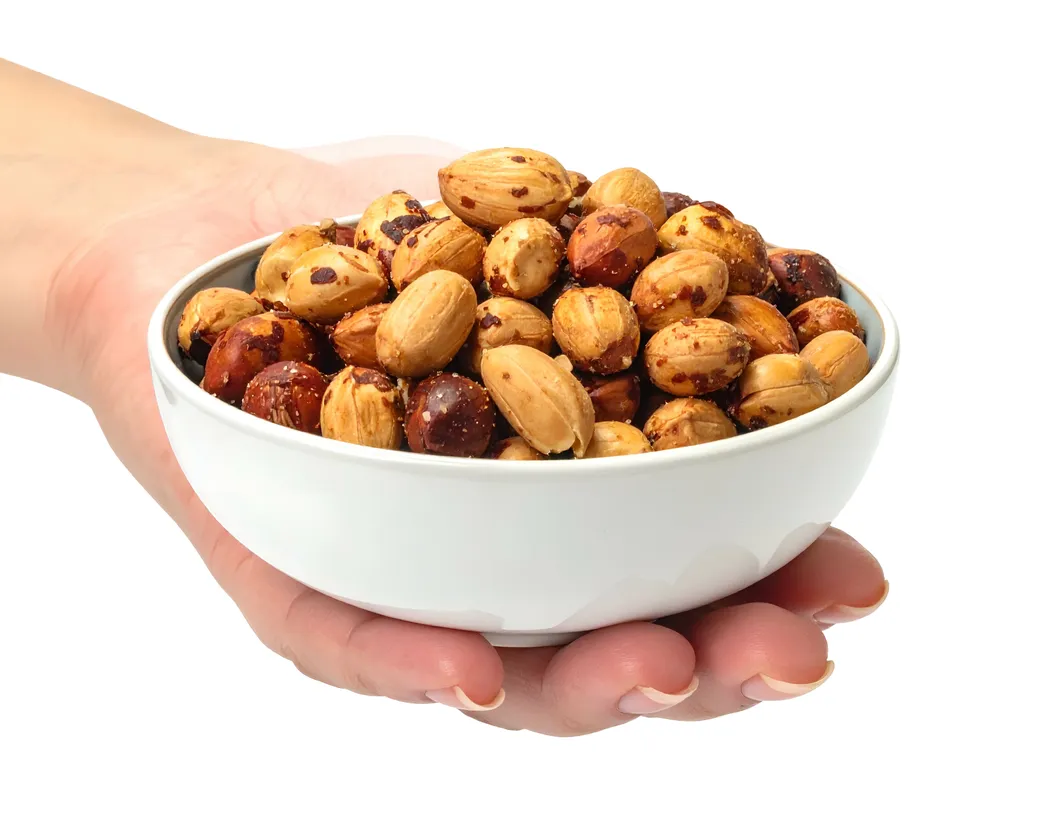
- Whole nuts and seeds.
- Raw, hard fruits and vegetables.
- Whole grapes, cherry tomatoes and large berries.
- Hard sweets, cough drops and chewing gum.
- Chunks of meat or cheese.
- Sticky foods like globby spoonfuls of peanut butter. Instead, thin peanut butter out with warm water, breast milk or formula.
4. Zero Honey and Added Salt
Never give honey to an infant under 12 months due to the risk of infant botulism, a rare but serious toxin. Additionally, do not add salt or sugar to your baby's portions, as their kidneys are still maturing.