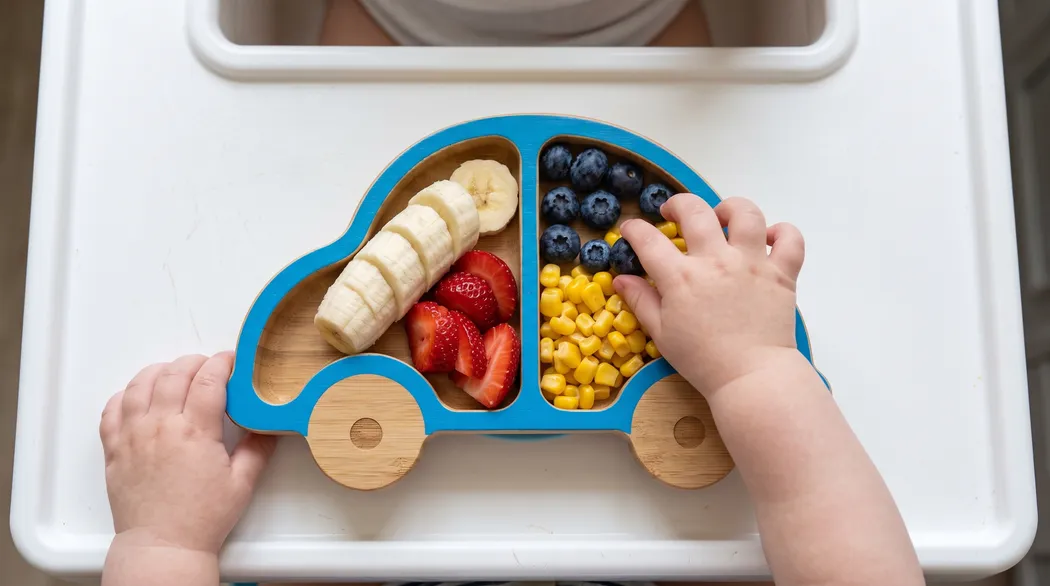
Discover safe finger foods for babies by age, including the best options from 7 to 11 months, preparation tips, choking prevention and baby-led weaning ideas.
Dr.Yusuf
Watching your little one grow is an incredible journey, and reaching the milestone of eating solid foods is especially exciting for parents. When your little one transitions from purées to self-feeding, choosing the right finger food for babies is key to their physical and cognitive development. This phase helps them build fine motor skills, hand-eye coordination and a lifelong healthy relationship with food.
However, it is completely normal to feel a bit anxious about this step. Many caregivers worry about choking, preparation methods and meeting nutritional needs. In this guide, we will explore everything you need to know about starting finger food for babies, including safety guidelines, age-appropriate choices and nutrient-dense ideas. Let's make mealtime both fun and safe.
Why Is Finger Food for Babies Crucial for Development?
Starting solids is about much more than just filling tiny tummies. Giving your baby control over what they put in their mouth is a massive leap forward in their developmental journey.
When babies feed themselves, they learn to regulate their own appetite. They decide when they are full, which prevents overfeeding and supports healthy weight gain patterns. Furthermore, handling different textures, such as bumpy broccoli, slippery avocado and soft sweet potato, helps desensitise their mouths, reducing the likelihood of picky eating habits later in life.
Additionally, introducing finger food for babies can also strengthen the jaw muscles. This oral-motor development is essential not only for chewing solid foods but also for speech development as they begin to mimic sounds and say their first words.
What is Finger Food for Baby?
As a parent, you might ask: what is finger food for baby, and how does it differ from traditional purées? Put simply, finger food for babies is any bite-sized, easily manageable piece of soft food that your child can pick up and eat independently.
Introducing baby finger food is not just about nutrition; it is a rich sensory experience. Allowing your little one to touch, squish, smell and explore different textures is essential for sensory processing. Using a finger food baby can hold easily helps them transition from reflexive sucking to advanced chewing. Feeding themselves with baby self-feeding finger food builds spatial awareness and confidence, helping them learn how to navigate food inside their mouths safely.
Many parents wonder when to introduce finger foods to their infant. Or more specifically, when to start finger food for baby meals? Paediatric organisations, including the Centers for Disease Control and Prevention (CDC), suggest that most infants are ready for solids around 6 months of age, but introducing finger foods depends heavily on physical developmental milestones rather than age alone.
So, when to introduce finger foods to a baby? You can look for these key signs of readiness:
Excellent Trunk Control: Your baby can sit upright in a high chair with little or no support.
Good Head Control: They can hold their head steady and turn it away when they are full.
Hand-to-Mouth Coordination: They easily bring objects, toys or their own hands to their mouth.
Active Interest in Meals: They lean forward, reach out or watch you intently when you chew.
Loss of the Tongue-Thrust Reflex: They no longer automatically push food out of their mouth with their tongue.
If you are wondering when to introduce finger food to baby plates, it typically happens between 6 and 8 months of age. Understanding when we can give finger food to baby safely helps prevent choking. If you are uncertain when to give finger food to baby, observe their chewing motions. Even without teeth, babies use their strong gums to mash soft foods.
How to Give Finger Food to Baby Safely?
Learning how to give finger food to baby safely is crucial for every caregiver. Safety first is the golden rule of starting solids. Here are essential, evidence-based tips to keep mealtime safe:
Always Supervise: Never leave a baby alone while they are eating. Maintain visual contact at all times.
Sit Upright: Ensure your baby is buckled securely in an upright high chair. Never let them eat while reclining, crawling or running.
The Squish Test: The food should be soft enough to mash easily between your thumb and index finger. If it does not squish, it is too hard.
Size It Right: In the beginning, cut food into long, thin strips (about the size of an adult index finger). This baby stick food is much easier for young babies to grasp than tiny pieces.
Avoid Choking Hazards: Never offer hard, round or sticky foods. This includes whole grapes, raw carrots, nuts, seeds, popcorn, hot dogs, hard sweets or large spoonfuls of nut butter.
If your little one is fussy due to new teeth breaking through, offering a cooled finger food for a teething baby, such as a chilled, steamed cucumber stick or a cold mango spear, can soothe tender gums while keeping them safe.
Age-by-Age Guide: Finger Foods from 7 to 11 Months
Your baby’s motor skills develop rapidly during their first year. Here is a breakdown of what to serve and when, tailored to their growing physical abilities.
Age Group
Motor Skill Development
Best Finger Food Textures
7 Months
Palmar grasp (uses whole palm to scoop food)
Long, finger-shaped strips, very soft and mashable
8–9 Months
Beginning pincer grasp (uses thumb and forefinger)
Small, bite-sized cubes, minced meats, soft-cooked pasta
10–11 Months
Advanced pincer grasp, chewing and swallowing
Family table foods (low sodium), mixed textures, soft cheeses
Starting Out: Finger Food for 7-Month-Old Baby
At 7 months, your baby is likely still using their whole palm to scoop up food (known as the palmar grasp). Providing a finger food for a 7-month-old baby that is long and easy to grab is ideal. At this stage, food that is too small will get lost inside their closed fist. Soft-cooked courgette strips, ripe avocado wedges and banana spears are excellent starting options.
Developing Skills: Finger Food for 8-Month-Old Baby
By 8 months, babies are getting better at grabbing, holding and releasing objects. When planning a finger food for an 8-month-old baby, you can start offering slightly more varied textures.
Great options for 8-month baby finger food include well-cooked pasta spirals, soft pieces of pasteurised cheese and small bits of flaky, deboned fish. Preparing a safe finger food for 8-month baby ensures they can practise their hand-eye coordination safely while getting essential fatty acids and protein.
Mastering the Pincer Grasp: Finger Food for 9-Month-Old Baby
At 9 months, babies usually start mastering the pincer grasp (using their thumb and index finger to pick up smaller objects). This means you can begin cutting foods into smaller, bite-sized cubes. Providing a nutritious finger food for a 9-month-old baby supports their rapid growth phase.
Excellent options for a 9-month baby finger food include small pieces of soft ripe fruits, such as peaches or pears, scrambled eggs and tender cooked black beans. When looking for the perfect finger food for a 9-month-old baby, small pieces of steamed tofu or soft, crumbled meatballs are highly recommended.
Expanding the Menu: Finger Food for 10-Month-Old Baby
At 10 months, babies are eager to eat what the rest of the family is eating. A finger food for a 10-month-old baby can include small pieces of well-cooked poultry, soft-cooked carrots or toasted bread soldiers spread with a thin layer of avocado.
If you are designing a finger food 10-month-old baby food menu, try combining different food groups to ensure a balanced intake of iron, healthy fats and vitamins:
Breakfast: Scrambled egg pieces with tiny bits of soft raspberry.
Lunch: Flaked salmon and small, well-cooked steamed broccoli florets.
Dinner: Finely shredded chicken breast with soft-cooked quinoa or rice clumps.
Almost Toddlers: Finger Food for 11-Month-Old Baby
An 11-month-old is rapidly approaching toddlerhood and is likely highly skilled at self-feeding. Safe finger food for 11-month-old babies can include soft, diced cheese, small pieces of cooked meatballs and soft-cooked green beans. During this phase, focus on transitioning them to standard family meals, making sure to keep the food low in sodium and entirely free from added sugars.
Summarising the 9–12 Month Window
The period of rapid adaptation is highly evident in finger food for babies 9–12 months. During these transition months, your baby moves from basic palmar grasping to a neat, precise pincer grasp. Encouraging them to try varied baby-led weaning finger foods can help reduce picky eating habits later in life by safely exposing them to a wide array of spices, herbs and natural textures.
Delicious and Safe Finger Food Ideas Baby Will Love
If you are looking for simple, affordable and nutritious finger food ideas baby will enjoy, look no further than your pantry. Soft-cooked root vegetables are nutrient-dense, naturally sweet and incredibly easy to prepare.
Sweet Potato Options
Sweet potatoes are a fantastic, nutrient-rich option for babies of all ages. They are packed with beta-carotene, vitamin C and fibre. Here are some of the best ways to prepare them:
Steamed Sweet Potato: Prepare a steamed sweet potato finger food baby meal by cutting the potato into long finger-sized pieces and steaming until tender. This is a classic steamed sweet potato baby finger food that preserves water-soluble vitamins.
Sweet Potato Sticks: Preparing sweet potato sticks baby-led weaning style allows babies to hold the food easily. If you make baby-led weaning sweet potato sticks, ensure they are soft enough to mash between their gums. You can also try steamed sweet potato sticks baby-led weaning recipes for an extra-soft, melt-in-the-mouth texture.
Boiled and Soft Options: If you prefer boiling, a boiled sweet potato baby finger food is an easy, fuss-free choice. Keep it tender enough to make a soft sweet potato finger food baby dish that will not require chewing teeth.
Baked Wedges: Roasted sweet potato wedges baby-led weaning meals are soft on the inside and offer a delicious, naturally sweet, caramelised flavour.
Toddler Transition: As they grow, sweet potato baby finger food can evolve into a delicious sweet potato finger food toddler meal. Older children love sweet potato toddler food served alongside a mild yoghurt dip.
White and Yellow Potato Options
When preparing finger food for babies, ensuring variety in carbohydrate sources is important. Regular potatoes are another budget-friendly, highly adaptable food source.
Boiled Potato Cubes: You can make a simple boiled potato baby finger food by peeling and boiling a potato until soft. Cutting it into small cubes creates a perfect boiled potato cubes baby finger food plate for babies who have mastered their pincer grasp. Soft Boiled Potato: Giving a boiled potato finger food baby meal ensures they get energy-dense carbohydrates in a safe format. Ensure it is completely soft to the touch before serving. Toddler Potatoes: Just like sweet potatoes, a boiled potato toddler food dish can be seasoned lightly with mild herbs, such as dill, parsley or garlic powder, to expand your child's evolving palate.
FAQS
How do I know my baby is ready for finger foods?
Look for key signs of developmental readiness, such as sitting upright without support, bringing hands or toys to their mouth and showing interest in what you are eating. This usually occurs around 6 to 8 months of age.
What are the safest first finger foods?
The safest first foods are soft-cooked vegetables, such as sweet potatoes, carrots or broccoli florets, ripe banana slices and avocado wedges. They should easily squash between your fingers using gentle pressure.
What is the difference between gagging and choking?
Gagging is a normal, noisy and active reflex that helps babies push food forward to prevent choking. Choking is silent, dangerous and requires immediate intervention because the airway is blocked. Always familiarise yourself with infant CPR and choking first aid.
Can I give my baby finger foods if they do not have teeth?
Yes! Babies have incredibly strong gums that are fully capable of mashing soft, well-cooked foods. Chewing teeth are not required to start enjoying soft finger foods.
How should I cut foods to prevent choking?
For younger babies (6–8 months), cut food into long, thick strips (the size of an adult index finger) so they can grasp it with their palms. For older babies (9 months and up), cut food into small, bite-sized cubes.