logo
0

First Period After C-Section: Timeline and What to Expect

Learn when your first period may return after a C-section, how breastfeeding affects timing, what changes to expect and when unusual bleeding requires medical attention.

article image

Dr.Kamran

Bringing a baby home after a C-section means healing incisions, feeding schedules, and a stream of new questions, including when your first period after a C-section will return and what it will look like. Knowing what is normal versus what needs medical attention can spare you a lot of unnecessary worry in those early postpartum weeks.

When Does the First Period Return After a C-Section?

The answer depends largely on whether you are breastfeeding.

If you are not breastfeeding, most women see their period return somewhere between 6 and 8 weeks after delivery. If you are exclusively breastfeeding, it can be months longer, sometimes not until you reduce feeds or wean entirely.

The reason is a hormone called prolactin, which your body produces to make breast milk. High prolactin levels suppress the hormonal signals that trigger ovulation, a process called lactational amenorrhea. No ovulation means no period.

The delivery method itself does not meaningfully alter postpartum hormonal recovery. The main driver is always breastfeeding status, not how your baby was born. So postpartum periods after cesarean generally follow the same timeline as after a vaginal delivery.

Lochia vs Your First Period: How to Tell the Difference

Before your period returns, you will have lochia, the postpartum discharge your uterus sheds as it heals. Many women confuse the two.

Lochia moves through three stages:

  • Lochia rubra (days 1 to 4): bright red, heavier flow, may contain small clots
  • Lochia serosa (days 4 to 10): pinkish-brown and lighter
  • Lochia alba (up to 6 weeks): yellowish-white discharge

Your true first period will feel different. It usually starts with recognisable cramping, follows a clear pattern of increasing then decreasing flow over several days, and comes after lochia has fully stopped. If you see red bleeding restart after a clear gap, that is most likely your period rather than ongoing postpartum bleeding. When distinguishing postpartum bleeding vs first period, the key clue is whether there was a pause in discharge before the new bleeding began.

How Does Breastfeeding Affect Period Return?

Breastfeeding and periods after a C-section are closely linked. Exclusive breastfeeding, meaning no formula top-ups and feeds around the clock, keeps prolactin consistently high and often delays periods the longest. Once you introduce formula or solid foods and feed frequency drops, prolactin falls, and ovulation can resume.

Partial breastfeeding is less predictable. Some women still experience a long delay; others find their period returns within a few months.

One point worth remembering: ovulation happens before your first period, not after. That means you can get pregnant again before you have even had one postpartum period. If you are not planning another pregnancy right away, talk to your doctor about contraception before that first period arrives.

What to Expect: Flow, Pain, and Irregularity in Early Cycles

Your first few cycles can feel unfamiliar, and that is a normal part of the C-section recovery timeline as your body recalibrates.

Flow changes

Some women notice heavier flow than they had before pregnancy; others find it lighter. Both can be normal. Your uterus has gone through significant changes and needs a few cycles to settle.

Clots

Small clots, roughly under 2 cm in diameter, in the first couple of days are common. Larger clots or clots that pass frequently are worth mentioning to your doctor.

Cramping

Cramping may feel more or less intense than your pre-pregnancy periods. A small number of women notice cramping near the C-section scar, related to scar tissue forming internally.

Irregular periods after delivery

It is very common for cycles to be irregular for three to six months after delivery. Your body is recalibrating hormones while managing the demands of a newborn, and often, feeding. Give it time.

While you are focused on your own recovery, your baby needs care too. Apollo's newborn belly button care guide covers what to watch for in those first weeks home.

Contraindications and When to Avoid Certain Medications

Many women reach for over-the-counter pain relief for menstrual cramps, but postpartum and breastfeeding status matters here.

Some pain medications and hormonal treatments are not suitable during breastfeeding or early postpartum recovery. Before taking anything for period pain or heavy bleeding, check with your doctor or pharmacist. This is especially important if you are breastfeeding, since many drugs pass into breast milk.
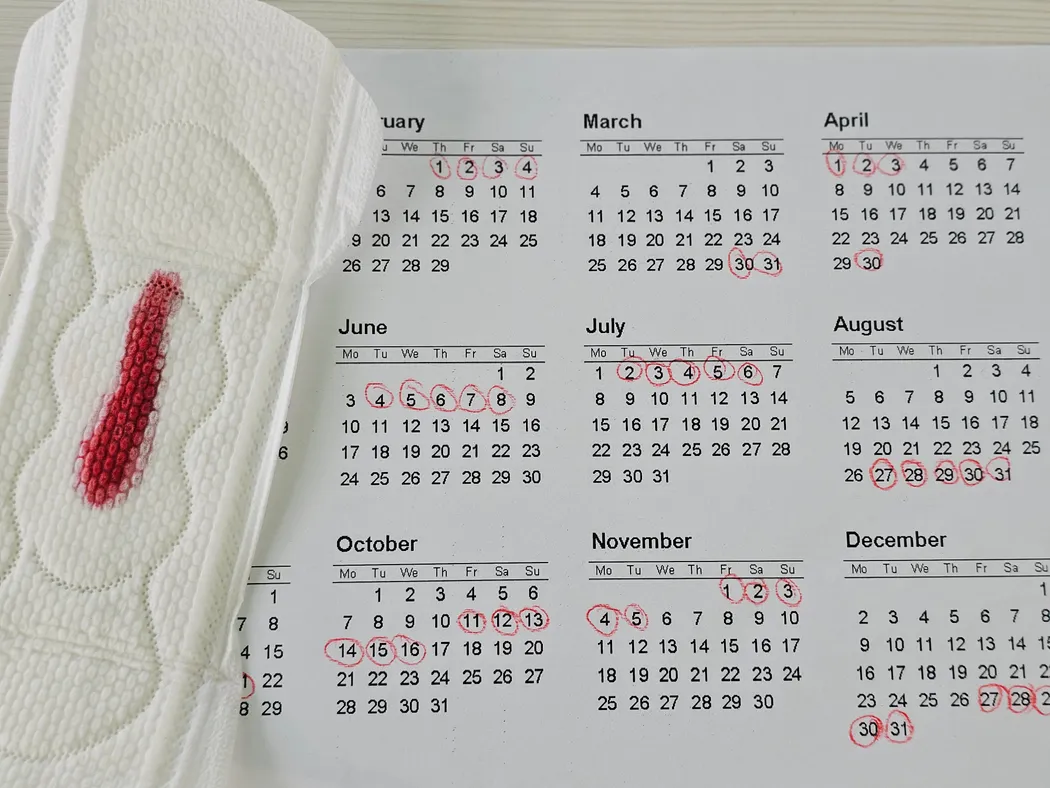
Hormonal contraceptives containing estrogen are generally avoided in the early postpartum period and during exclusive breastfeeding, as they can reduce milk supply. Progestin-only options may suit some women, but only your doctor can advise what is right for your situation.

Do not restart any prescription medication from before your pregnancy without confirming it is safe for breastfeeding and post-C-section recovery.

Report adverse events to your healthcare provider or the relevant regulatory authority.

When to See a Doctor?

Most irregular periods after delivery resolve on their own, but some symptoms need prompt review.

Contact your doctor if you notice:

  • Soaking through a pad every hour for two or more consecutive hours
  • Passing clots larger than about 2 cm in diameter
  • Bleeding with a foul or unusual odour
  • Fever alongside heavy bleeding
  • Pelvic pain that feels different from normal cramping
  • No period by 6 months postpartum if you are not breastfeeding

These can signal retained placental tissue, infection, or other conditions that need treatment. Trust your instincts. If something feels wrong, do not wait.

Conclusion

The timing of the first period after a C-section varies from person to person and is influenced strongly by breastfeeding, hormonal changes and individual recovery. Some women may have their period return within a few months, while those who breastfeed may experience a longer delay. The first few periods can also be different from usual, with changes in flow, duration, cramps or cycle regularity. It is important to distinguish a returning period from lochia, the normal postpartum bleeding that occurs after childbirth. Very heavy bleeding, severe abdominal or pelvic pain, fever, foul-smelling discharge, dizziness or other concerning symptoms should be assessed promptly by a healthcare professional. Even if periods have not returned, ovulation can occur before the first period, so pregnancy is still possible.

FAQS

How long after a C-section does your period start?

For women who are not breastfeeding, the first period after a C-section typically returns between 6 and 8 weeks postpartum. Breastfeeding can delay this significantly, sometimes for as long as you continue nursing.

Why is my first period after a C-section so heavy?

The uterus is still settling after pregnancy and delivery, and the first cycle is often heavier than your pre-pregnancy norm. This usually evens out within a few cycles, but contact your doctor if you are soaking a pad every hour.

Does a C-section delay your period compared to a vaginal delivery?

Not in any meaningful way. When your period returns after a C-section is governed mainly by breastfeeding status, not the type of delivery. Both cesarean and vaginal birth follow broadly the same postpartum hormonal timeline.

Can periods be irregular for months after a C-section?

Yes, irregular periods after delivery are common and can continue for three to six months as your hormones stabilise. Breastfeeding adds another layer of variability, so cycles may remain unpredictable until you reduce or stop feeds.

Is it safe to use tampons for the first period after a C-section?

Most doctors advise waiting until your six-week postpartum check before using tampons to allow internal healing. Confirm with your own doctor at that appointment, as individual recovery varies.

Apollo 247 Floating Action Button