logo
0

First Pregnancy Symptoms: Complete Early Signs Checklist

Learn the early signs of pregnancy, when symptoms may start, how spotting and discharge can differ from a period, when to take a pregnancy test, and when to seek medical care.

article image

Dr.Mayank

First Pregnancy Symptoms: A Complete Early Symptom Checker

Recognizing first pregnancy symptoms early can feel both exciting and confusing, especially when they overlap with premenstrual changes. Before a missed period arrives, your body may already be sending quiet signals that conception has occurred. Understanding what those signals look and feel like helps you know when to trust your instincts, when to test, and when to call your doctor.

How Early Do Pregnancy Symptoms Start?

After a sperm fertilizes an egg, the embryo travels down the fallopian tube and implants in the uterine lining. After fertilisation, the developing embryo travels toward the uterus and eventually implants in the uterine lining. Implantation occurs several days after fertilisation, after which hCG begins to rise and can eventually be detected by pregnancy tests.

Some people may notice changes before a missed period, but many have no noticeable symptoms this early. Early pregnancy symptoms vary considerably from person to person and can overlap with premenstrual symptoms. Breast tenderness, mild cramping, or a shift in vaginal discharge can all appear during this window. That said, every woman's body responds differently, and some feel nothing unusual until the second month.

Early pregnancy symptoms before a missed period are easy to confuse with PMS, a stomach bug, or plain tiredness. No single symptom confirms pregnancy on its own, so pairing symptom awareness with timely testing matters.

Discharge Changes in Early Pregnancy

A shift in vaginal discharge is one of the lesser-discussed but genuinely common first pregnancy symptoms before a missed period.

What leukorrhea looks like

Early pregnancy triggers rising estrogen and increased blood flow to the pelvic region. This causes the vaginal walls to produce more fluid, a thin, milky-white or clear discharge called leukorrhea. It typically has a mild or no odor and a consistency similar to egg whites or thin lotion.

This discharge is normal and protective. It helps keep the vaginal canal clear of bacteria as the cervical plug begins to form.

When discharge needs a doctor's review

Some discharge changes fall outside the normal range. Pregnancy discharge signs that warrant a doctor visit include:

  • A yellow, green, or grey color
  • A strong or "fishy" odor
  • Thick, clumpy texture similar to cottage cheese
  • Itching, burning, or swelling around the vulva

These may point to a yeast infection, bacterial vaginosis, or a sexually transmitted infection, all of which need prompt treatment in early pregnancy

Spotting vs Period: How to Tell the Difference

Light spotting is one of the implantation bleeding symptoms that many women miss entirely or mistake for an early period.

What early-pregnancy spotting can look like

Light spotting can occur in early pregnancy, although bleeding cannot reliably be identified as implantation bleeding based on its timing or appearance alone. Light bleeding may have several causes, including changes in the cervix or other early-pregnancy changes.

Key features that distinguish it from a period:

  • Color is pink or light brown rather than bright red
  • Flow is very light, often just a smear on underwear or tissue
  • Duration is short, typically 1 to 2 days
  • No clots, and any cramping is mild

Implantation bleeding vs menstrual period

FeatureImplantation BleedingMenstrual Period
ColorPink or brownBright red
Flow volumeVery lightLight to heavy
Duration1 to 2 days3 to 7 days
ClottingAbsentCommon
CrampingMild or noneMild to severe
Timing10 to 14 days post-conceptionTypically 21 to 35 days in adults

If your "period" is unusually short, lighter than normal, and pinkish rather than red, it may be implantation bleeding rather than menstruation.
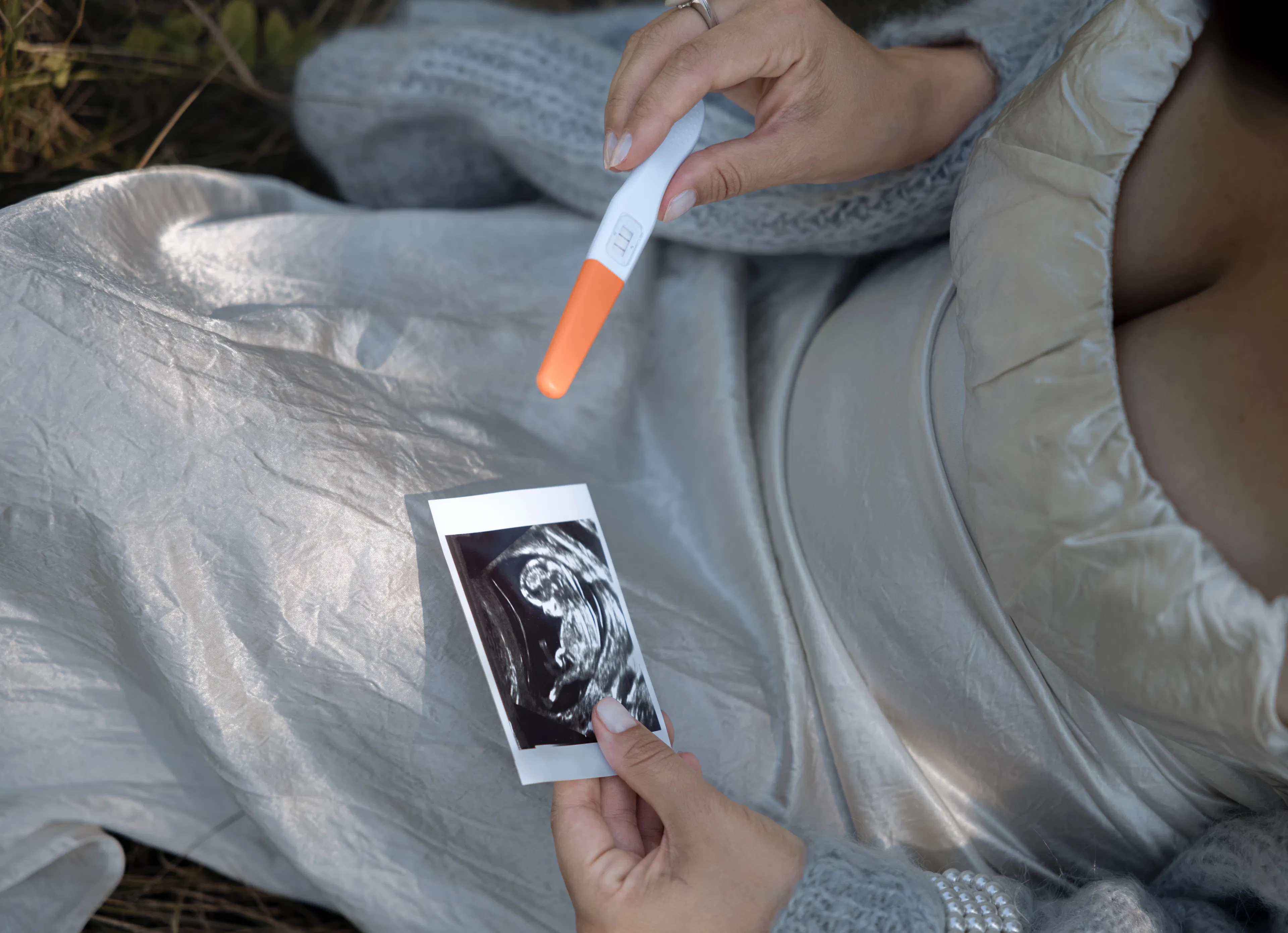
Other Early Physical and Emotional Symptoms

Beyond discharge and spotting, the first signs of pregnancy week 1 onward can be wide-ranging. First pregnancy symptoms at this stage often include:

Fatigue or increased tiredness, which is common during early pregnancy and may be influenced by hormonal and other physiological changes

  • Breast tenderness, fullness, or sensitivity, which can occur during early pregnancy
  • Nausea, with or without vomiting, at any time of day, usually beginning around 4 to 6 weeks after the last menstrual period
  • Mild uterine cramping that resembles period cramps but appears before a period is due, often implantation-related
  • Frequent urination, because hCG and increased blood volume make the kidneys work harder and the bladder fill faster
  • A heightened sense of smell, making certain foods, perfumes, or cooking odors suddenly intolerable
    Mood swings and emotional sensitivity driven by sharp hormonal shifts
  • Food aversions or cravings, sometimes appearing even before nausea sets in
    Slight bloating and a feeling of abdominal heaviness
  • A basal body temperature that stays elevated past day 16 of the luteal phase, useful only if you track BBT regularly

Not every woman experiences all of these. Some feel only one or two. An absence of symptoms does not mean a pregnancy is not progressing normally.

Symptom Checker: When to Take a Pregnancy Test

This practical guide can help you decide when testing makes sense. It is one of the most useful early pregnancy symptom checkers for women who are actively trying to conceive.

  • Days 7 to 9 post-conception: Too early for most tests. Wait even if you have mild cramping or discharge changes.
  • Days 10 to 12 post-conception: Some early-detection pregnancy tests may detect pregnancy around this time, but testing this early can still produce a false-negative result. Follow the specific test's instructions for when to test.
  • Day 14 post-conception (around the time of a missed period): Most standard home pregnancy tests are reliable here. This is the recommended earliest point for a clear result.
  • One week after a missed period: The most accurate window for a home test. If still negative but symptoms persist, consult a doctor for a blood test, which detects hCG earlier and more precisely.

Early pregnancy symptoms before a missed period can nudge you to test sooner, but the most trustworthy results come once a period is actually late.

Conclusion

Early pregnancy symptoms can vary widely from person to person, and many signs—including fatigue, breast tenderness, cramping, discharge changes, and nausea—can overlap with PMS or other conditions. Some people notice changes before a missed period, while others have few or no symptoms at first. Because symptoms alone cannot confirm pregnancy, a properly timed home pregnancy test is a more reliable way to check. Seek urgent medical care if you experience severe or one-sided pelvic pain, heavy bleeding, dizziness, fainting, or shoulder-tip pain, particularly if pregnancy is possible.

FAQ

What is the very first symptom of pregnancy?

For many women, the very first noticeable symptom is mild pelvic cramping or light spotting around the time of implantation, 6 to 12 days after conception. Breast tenderness and unusual fatigue often follow within a day or two, though the order and intensity vary from person to person.

Can you have pregnancy symptoms a week after conception?

Yes, some women notice subtle changes, such as light cramping, breast sensitivity, or a slight increase in vaginal discharge, as early as 7 days post-conception. These are linked to implantation and the initial hormonal surge, though many women feel nothing this early.

Does discharge increase in early pregnancy?

Yes. Rising estrogen levels cause increased production of leukorrhea, a thin, clear or milky-white discharge. This increase typically begins shortly after implantation and continues throughout pregnancy. It is normal unless accompanied by odor, unusual color, or itching.

How light is implantation spotting compared to a period?

Implantation bleeding is significantly lighter, often just a faint pink or brown smear on underwear or toilet tissue. It lasts 1 to 2 days at most and never involves clots. A menstrual period is heavier, brighter red, and lasts 3 to 7 days.

Can early pregnancy symptoms mimic PMS?

Yes, they can closely resemble PMS. Breast tenderness, bloating, mood swings, and cramping all appear in both. The key differences are the timing and character of any spotting, a persistent rise in basal body temperature, and symptoms that continue past the expected period date rather than resolving with it.

Apollo 247 Floating Action Button