logo
0

Folic Acid Supplementation in Pregnancy: Dosage & Timing

Learn when to start folic acid during pregnancy, recommended dosage, benefits, food sources, safety, side effects, and precautions.

article image

Dr.Mayank

Folic acid supplementation in pregnancy is one of the most evidence-backed steps you can take for your baby's health. This B-group vitamin drives cell division and DNA synthesis, both of which happen at a remarkable pace in early fetal development. Yet many women only start taking it after a positive pregnancy test, by which time some of the most sensitive developmental windows have already passed. This guide covers dosage, timing, benefits, and safety so you can act with confidence.

What Is Folic Acid and Why It Matters in Pregnancy

Folic acid is the synthetic form of folate, also called vitamin B9. Your body uses folate to produce and repair DNA, form red blood cells, and support rapid cell growth. During the first few weeks of pregnancy, the neural tube, which later becomes the baby's brain and spinal cord, forms and closes. Inadequate folate during this window can prevent the neural tube from closing properly, leading to serious birth defects such as spina bifida and anencephaly.

The catch is timing. Neural tube closure happens between days 21 and 28 after conception, often before a woman knows she is pregnant. That is the core reason preconception supplementation matters so much.

Recommended Folic Acid Dosage During Pregnancy

For most women, the standard folic acid dosage during pregnancy and before conception is 400 to 800 micrograms (mcg) daily. ICMR-NIN guidance and broader global recommendations consistently support this range for women at standard risk.

Some women need a higher dose of 5 milligrams (5,000 mcg) daily. Your doctor will usually recommend this if you:

  • Have had a previous pregnancy affected by a neural tube defect
  • Have a personal or family history of neural tube defects
  • Have type 1 or type 2 diabetes
  • Take anti-epileptic or other medications that interfere with folate metabolism
  • Have a condition affecting folate absorption, such as inflammatory bowel disease or coeliac disease
  • Have a BMI above 30

Do not self-prescribe the higher dose. Your doctor needs to assess your individual risk before recommending 5 mg.

When to Start and How Long to Continue Folic Acid

The most important thing to understand about when to start folic acid before pregnancy is this: ideally at least one month before you plan to conceive, and three months is better. Starting early builds the folate stores your body and developing baby will need right from conception.

If your pregnancy was unplanned, begin supplementation as soon as you find out and continue without interruption.

  • First trimester: The critical window for neural tube defect prevention runs from conception through week 12. Consistent supplementation during this period matters most.
  • Second and third trimesters: Folic acid continues to support placental development, red blood cell production, and overall fetal growth. Most guidelines recommend continuing at least 400 mcg daily throughout pregnancy. Your doctor may also advise continuing into the breastfeeding period, since folate requirements stay elevated after delivery.

Benefits of Folic Acid for Fetal Development

The folic acid benefits for fetal development go well beyond neural tube protection:

  • Neural Tube Protection: Significantly reduces the risk of neural tube defects such as spina bifida and anencephaly, particularly when supplementation starts before conception.
  • Congenital Heart Defects: Associated with a lower risk of congenital heart defects in several large observational studies.
  • Cleft Lip & Palate: Linked to a reduced risk of cleft lip and cleft palate.
  • Healthy Birth Outcomes: Supports healthy birth weight and may lower the risk of preterm birth in nutritionally at-risk populations.
  • Maternal Anaemia Prevention: Helps prevent megaloblastic anaemia in the mother, supporting adequate oxygen delivery to the baby.
  • Placental Health: Plays a role in healthy placental development and function.

Preventing neural tube defects remains the most firmly established benefit, but the broader picture of protection makes supplementation worthwhile throughout pregnancy.

Dietary Sources of Folate vs Supplements

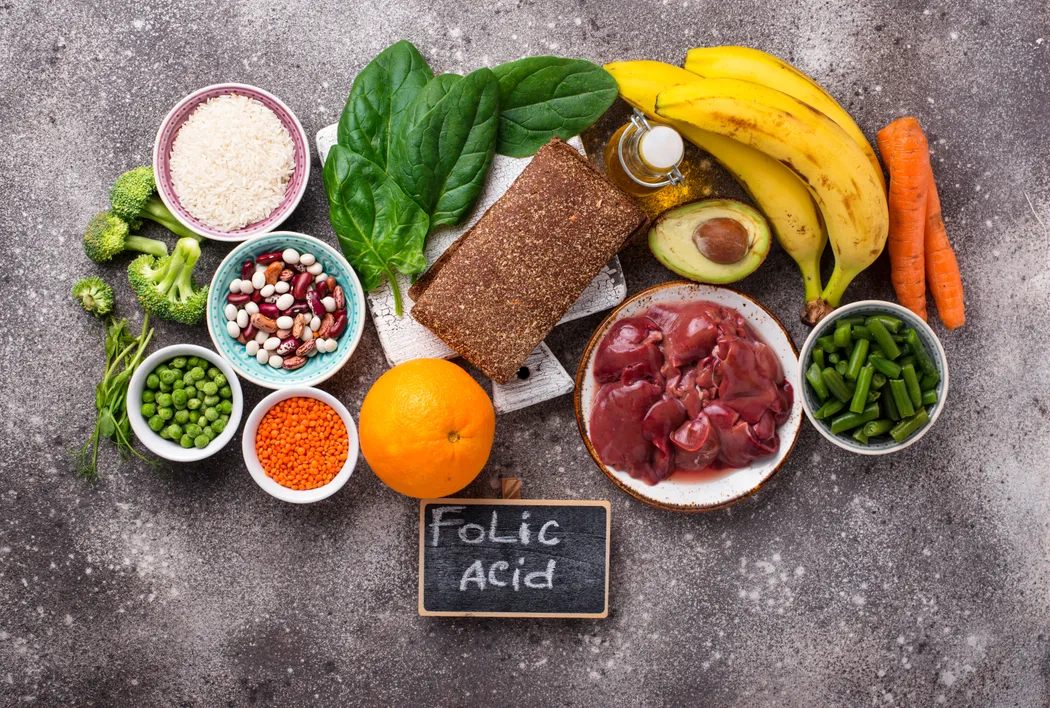
Folic acid rich foods include dark green leafy vegetables such as spinach, methi, and palak; pulses and lentils; chickpeas; eggs; citrus fruits; fortified cereals; and peanuts.

The practical issue is absorption. Folate from food is absorbed at roughly 50 percent efficiency, whereas synthetic folic acid in supplements reaches around 85 to 100 percent absorption when taken on an empty stomach. This gap means diet alone is rarely enough to meet the elevated demands of pregnancy, particularly in the first trimester.

A folate-rich diet is a useful foundation, not a replacement for the supplement your doctor has recommended. Both work best together.

Contraindications and Precautions

Folic acid is safe for the vast majority of pregnant women, but certain situations require medical supervision before starting or continuing supplementation.

  • Vitamin B12 deficiency: High-dose folic acid can mask the blood markers of B12 deficiency, delaying diagnosis while neurological damage continues. Confirmed or suspected B12 deficiency must be addressed alongside folic acid supplementation.
  • Drug interactions: Anti-epileptic medicines, methotrexate, and some antimalarials can interfere with how the body processes folate. Tell your doctor about every medicine you take, including over-the-counter products.
  • Known allergy: If you have had a prior allergic reaction to folic acid or any product containing it, inform your doctor before starting.
  • MTHFR gene variant: Some women carry a genetic variant that reduces the body's ability to convert folic acid into its active form. Your doctor may recommend a methylated folate supplement in this case.

Never stop a prescribed medicine to avoid a potential interaction without speaking to your doctor first.

Possible Side Effects and When to Report Them

Folic acid is generally very well tolerated. Mild side effects, when they occur, can include:

  • Nausea or a mild upset stomach, usually reduced by taking the tablet with food
  • Bloating or a feeling of fullness
  • A bitter or unpleasant taste in the mouth
  • Rarely, skin reactions such as rash or itching

Serious allergic reactions are uncommon but possible. Seek medical attention immediately if you notice difficulty breathing, swelling of the face or throat, or a severe rash after taking folic acid.

Report adverse events to your healthcare provider or the relevant regulatory authority.

If you are unsure whether a symptom is linked to your supplement, contact your doctor. Do not stop taking folic acid without medical advice, as the risks of stopping during a critical window outweigh most mild side effects.

Conclusion

Folic acid supplementation is one of the simplest and most effective ways to support a healthy pregnancy, especially when started before conception or as soon as pregnancy is confirmed. Taking the recommended daily dose helps reduce the risk of neural tube defects and supports your baby's early growth and development. Along with a balanced diet and regular antenatal care, folic acid plays an important role throughout pregnancy, so always follow your healthcare provider's advice on the right dose and duration for your individual needs.

FAQS

Is folic acid safe throughout all trimesters?

Yes. Folic acid supplementation in pregnancy is considered safe across all three trimesters at the standard recommended dose. Your doctor may adjust the dose or formulation based on your individual needs, but stopping without advice is not recommended.

Can folic acid overdose harm the baby?

At the standard dose of 400 to 800 mcg, the risk of harm is extremely low. Very high doses taken without medical supervision are not advisable, as excess unmetabolised folic acid in the bloodstream is an area of ongoing research. Always follow your doctor's prescribed amount.

Does folic acid help with morning sickness?

Folic acid itself is not a treatment for morning sickness. However, some combination prenatal supplements that include vitamin B6 alongside folate are associated with reducing nausea, so speak to your doctor if morning sickness is a concern.

Is folic acid the same as folate?

Folate is the naturally occurring form of vitamin B9 found in food, while folic acid is the synthetic version used in supplements and fortified foods. The body converts both into the active form it can use, though folic acid is absorbed more efficiently from supplements.

Can I stop folic acid after the first trimester?

The first trimester is the most critical window, but folic acid continues to support red blood cell production, placental health, and fetal growth beyond week 12. Most doctors recommend continuing at least 400 mcg daily throughout pregnancy and often into breastfeeding.

Apollo 247 Floating Action Button