logo
0

Food for 6 Months Infant: A Complete Weaning Guide

What food to give a 6-month-old baby: first purees, cereals, portion sizes, allergy tips and a sample feeding chart. Doctor-reviewed guidance.

article image

Dr.Nallapu Siri

Starting solid foods is one of the most exciting milestones in a baby's first year. Choosing the right food for a 6-month-old infant means balancing nutrition, safety, and your baby's developmental readiness. Get it right, and you set the foundation for healthy eating habits that last well beyond infancy.

Breast milk or formula remains the primary source of nutrition at this stage. Solids are introduced alongside milk feeds, not instead of them. This phase is called complementary feeding or weaning.

When and How to Start Solid Foods at 6 Months?

Most paediatric and global health guidelines recommend starting complementary foods at around 6 months, not before 4 months. Before 6 months, a baby's gut and kidneys are not mature enough to handle anything other than breast milk or formula.

Signs Baby Is Ready for Solids

Watch for these readiness cues rather than going by age alone:

  • The baby can hold their head steady and sit upright with minimal support.
  • They show curiosity about food, watching you eat or reaching toward your plate.
  • The tongue-thrust reflex has faded, so they no longer automatically push food out with their tongue.
  • They open their mouth when a spoon approaches.

If your baby shows most of these signs around 6 months, they are likely ready. If you are unsure, your paediatrician is the best person to confirm. Report any concerns about developmental readiness to your healthcare provider or the relevant regulatory authority.

Can You Start Before 6 Months?

Starting solids before 4 months is not recommended under any circumstances. Between 4 and 6 months, it should only happen on a paediatrician's explicit advice. Early introduction raises the risk of choking, infection, and later obesity.

First Foods to Introduce: Purees, Cereals, and Single-Ingredient Options

The first foods for babies should be smooth, easy to digest, and introduced one at a time. This makes it straightforward to spot any reaction before moving to the next food.

Good Starter Foods

  • Rice or ragi cereal: baby cereal for 6 months is a popular first choice in Indian households. Plain rice cereal cooked to a thin, smooth consistency with breast milk or formula is gentle on the digestive system. Ragi (finger millet) porridge is nutritionally rich and widely used across India.
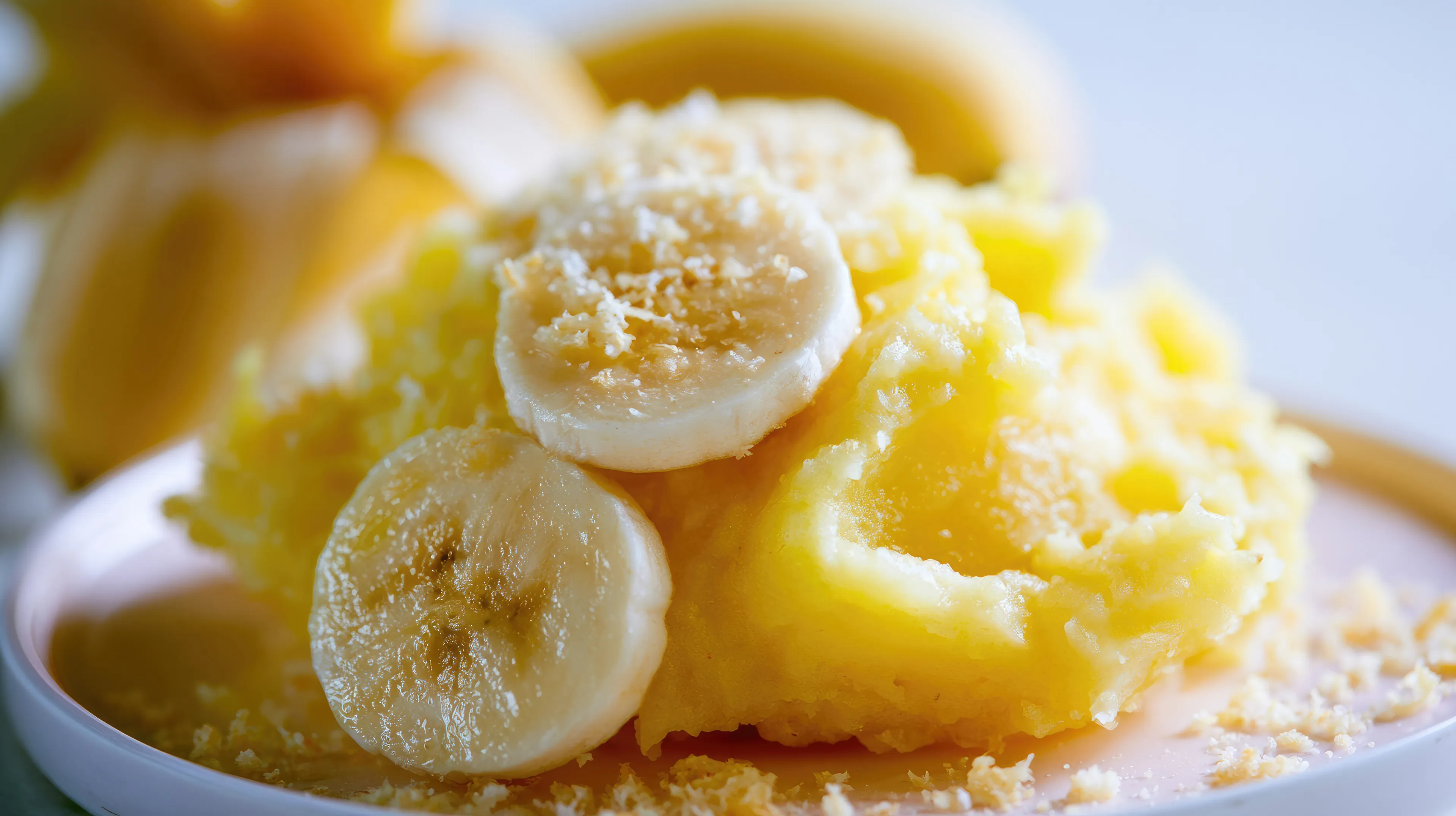
  • Mashed banana: naturally soft and easy to prepare with no cooking needed.
  • Boiled and pureed sweet potato or pumpkin: mild in flavour, packed with beta-carotene, and well-tolerated.
  • Dal water or well-cooked pureed moong dal: an accessible source of protein and iron in an Indian kitchen.
  • Pureed steamed apple or pear: simple puree recipes for 6 month baby that are easy to make at home.

Introduce one new food every 3 to 5 days before adding another. Start with a teaspoon or two. Single-ingredient options make allergy tracking much simpler. If you notice any skin rash, vomiting, or unusual fussiness after a new food, stop it and report adverse events to your healthcare provider.

Is Rice Cereal a Good First Food?

Plain rice cereal thinned with breast milk is easy to digest and a low-allergen option, making it a reasonable starting point. It is not nutritionally complete on its own, so rotate it with other foods to give your baby variety from the start.

Sample 6-Month Baby Food Chart and Portion Sizes

Portions at this age are tiny. The goal is exposure and exploration, not replacing milk feeds with calories from solids.
Time of DayFoodStarting Quantity    Texture
Morning (after milk feed)Rice cereal or ragi porridge1 to 2 teaspoonsThin, smooth puree
Midday (after milk feed)Pureed sweet potato or moong dal1 to 2 teaspoonsSmooth puree
EveningMashed banana or pureed apple1 teaspoon    Smooth, lump-free

This 6-month baby food chart is a starting framework, not a rigid prescription. In the first few weeks, one solid meal per day is enough. By the end of the sixth month, you can move to two small meals if your baby tolerates food well and continues to show interest.

How Much Food for 6-Month-Old Babies Is Right?

Expect to start with 1 to 2 teaspoons per sitting. Babies signal fullness by turning away, keeping their mouth closed, or losing interest. Follow their lead and never force a feed, as this can create negative associations with mealtimes. Understanding how much food for 6-month-old infants is appropriate helps prevent both overfeeding and unnecessary anxiety when portions seem small. Milk, whether breast milk or formula, should still make up the majority of daily calories at this stage.

Foods to Avoid and Allergy Introduction Guidelines

Knowing what not to give is as important as knowing the weaning foods for infants to start with.

Foods to Avoid at 6 Months

  • Honey: risk of infant botulism. Avoid until after 12 months, with no exceptions.
  • Cow's milk as a main drink: the digestive system is not ready. Small amounts used in cooking to thin a cereal are generally considered acceptable, but confirm with your paediatrician first.
  • Added salt and sugar: infant kidneys cannot handle excess salt, and early sugar exposure can shape unhelpful taste preferences.
    Whole nuts, raw carrot sticks, or large chunks of fruit: choking hazards. Always puree or mash to an age-appropriate texture.
  • Unpasteurised cheese or raw and undercooked eggs: infection risk.
  • Sugary drinks, fruit juices, and caffeinated beverages: no nutritional benefit and potentially harmful at this age.

Introducing Allergenic Foods

Current paediatric guidance generally supports introducing common allergens such as peanuts, eggs, tree nuts, fish, and wheat from around 6 months, rather than deliberately delaying them. Early introduction may reduce allergy risk for most babies. However, if your baby has severe eczema or an existing food allergy, get specific advice from your paediatrician or a paediatric allergist before introducing high-risk foods. Report any adverse reactions to your healthcare provider or the relevant regulatory authority promptly.

Contraindications and When to Consult a Paediatrician?

Not every baby should follow a standard weaning timeline. Certain situations require a doctor's assessment before starting solids.

Which Babies May Need to Delay Starting Solids?

  • Preterm babies: corrected age, not birth age, guides readiness. Speak to your neonatologist or paediatrician.
  • Babies with gastro-oesophageal reflux: positioning and texture choices need specialist input.
  • Babies with a strong family history of food allergy: early allergen introduction should be supervised.
  • Babies showing signs of failure to thrive or poor weight gain: a clinical assessment should come before any feeding change.

For families managing newborn care essentials beyond feeding, the same principle applies: when in doubt, ask your paediatrician first.

When Should I Call My Baby's Doctor?

Contact your paediatrician if your baby gags severely or vomits repeatedly after feeds, develops a rash, swelling, or breathing changes after a new food, refuses all solids consistently past 7 months, or loses weight after starting complementary feeding. Report adverse events to your healthcare provider or the relevant regulatory authority without delay.

Conclusion

Introducing solid foods at 6 months is an important milestone that complements breast milk or formula while expanding your baby's nutrition and taste preferences. Starting with smooth, single-ingredient purees or cereals, watching for readiness cues, and introducing potential allergens early helps build safe feeding habits. Always refrain from adding salt, sugar, honey, or unmodified cow's milk during this stage to protect your infant's digestive health. If your baby exhibits signs of a food reaction, gagging, or persistent refusal of solids, consult a paediatrician promptly.

FAQS

How many times a day should I feed my 6-month-old solids?

Once a day is enough at the very start. By the end of the sixth month, two small solid meals alongside continued milk feeds is a realistic target. Let your baby's appetite and tolerance guide the pace.

Can 6-month-old babies have curd or yoghurt?

Plain, full-fat, unsweetened yoghurt is generally considered suitable from around 6 months in small amounts as part of a varied diet. Avoid sweetened or flavoured varieties. Check with your paediatrician if there is any family history of dairy allergy.

Is banana good for a 6-month-old baby?

Yes. Banana is soft, naturally sweet, easy to mash, and well-tolerated by most babies. It provides quick energy and is a practical food for a 6-month-old infant with no cooking required. Mash it smooth and serve a teaspoon at a time.

What consistency should 6-month-old baby food be?

Smooth, lump-free purees are the right texture to start. Think thin enough to fall off a spoon easily. As your baby gets comfortable over several weeks, you can gradually thicken the puree before moving to mashed textures around 7 to 8 months.

Can I give water to my 6-month-old baby?

Small sips of boiled and cooled water can be offered with solid meals once solids are introduced, but water should not replace milk feeds. Breast milk or formula continues to cover most of your baby's fluid needs at this age.

Apollo 247 Floating Action Button