logo
0

Weaning Foods: What to Give and When

Learn the meaning of weaning food, when to start baby-led weaning, and the best first foods for a 6-month-old with our expert baby weaning food chart.

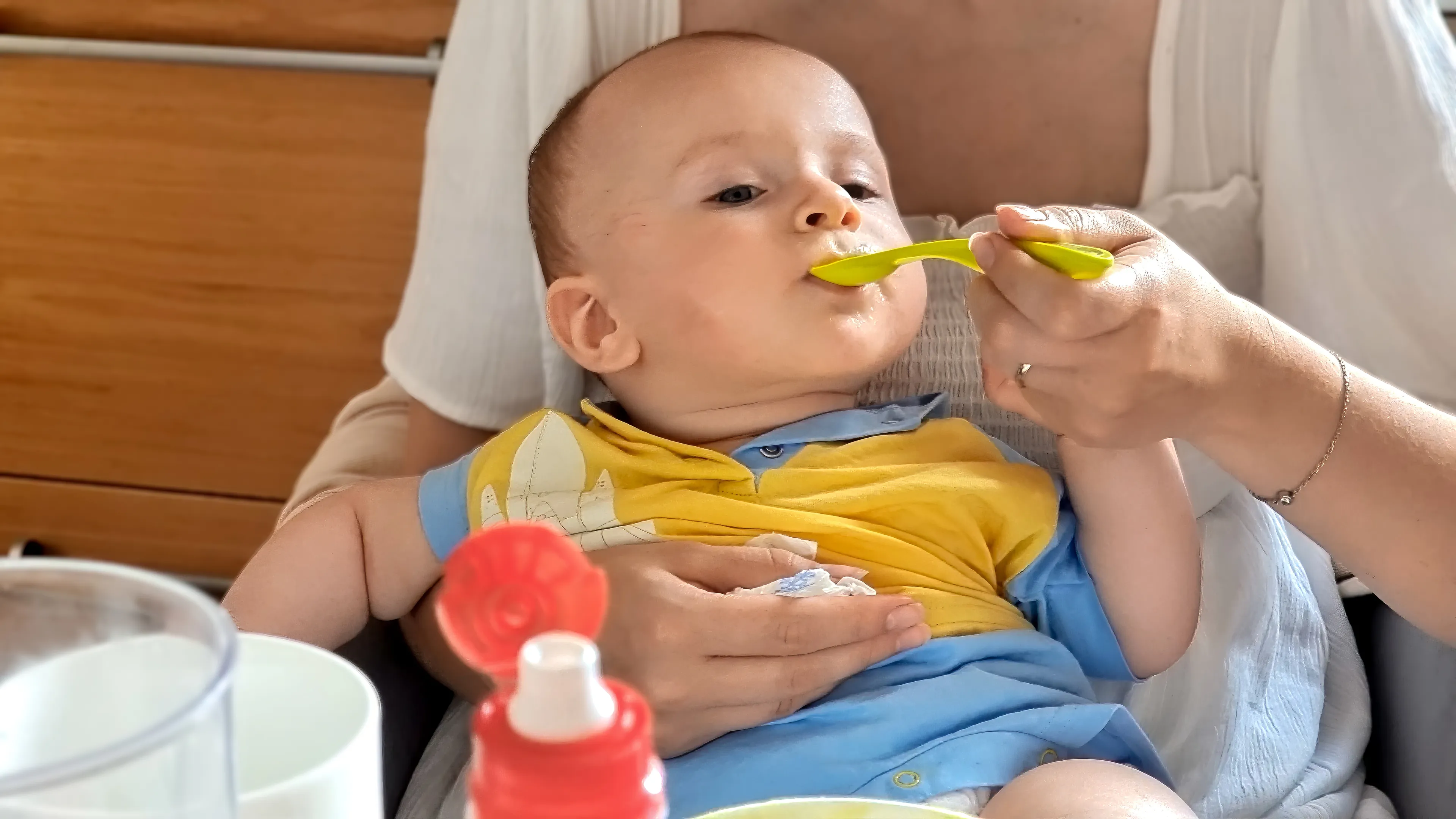
article image

Dr. Kamran

Welcoming your child into the world of solid foods is a beautiful, memorable milestone. As your baby approaches the middle of their first year, introducing them to weaning food is one of the most exciting steps you will take together.

However, it is entirely normal to feel a bit overwhelmed by the sheer volume of advice available. Understanding the true weaning food meaning and knowing exactly what, when, and how to feed your little one can transform this transition into a joyful, stress-free experience.

In this comprehensive guide, we will unpack everything you need to know about starting your baby on solids safely, nutritiously, and confidently.

What is Weaning Food and Why is it Important?

o understand what weaning food means, we must look at the transition your baby is making. If we were to define weaning food (or provide a formal weaning food definition), it refers to any nutrient-rich solid or semi-solid food introduced to an infant as they gradually transition away from an exclusive diet of breast milk or infant formula.

Breast Milk / Formula (0-6 Months) ➔ Complementary Weaning Foods (6+ Months) ➔ Family Table Foods (12+ Months)

The clinical focus of food weaning is complementation. It is not meant to instantly replace breast milk or formula; rather, it is designed to work alongside milk to provide a complete nutritional profile. The importance of weaning food lies in your baby's rapid physical development. Around the six-month mark, several key changes occur:

  • Depleting Iron Stores: Babies are born with a natural store of iron that begins to deplete by about six months of age. Breast milk alone can no longer fully satisfy their nutritional requirement for iron and zinc.
  • Oral-Motor Development: The transition helps babies learn how to use their tongue, lips, and jaw to chew and swallow, laying the foundation for speech development.
  • Sensory Exploration: Introducing different types of weaning food exposes your baby to a wide world of textures, colors, and flavors, reducing the likelihood of picky eating later in life.

When to Start Weaning Food for Babies

Pediatricians and global health authorities, including the World Health Organization (WHO), agree that the optimal time to introduce weaning food for babies is around 6 months of age.

While some parents may search for 5 to 6 month baby food options, starting solids before 4 to 6 months is generally not recommended. A baby's digestive system and kidneys are still maturing, and their swallowing mechanisms are not yet fully coordinated.

Signs of Developmental Readiness

Before offering any 6 month baby solid food, look for these physical clues that your baby is ready to eat:
1. Excellent Head Control: Your baby can hold their head up steadily and sit upright with minimal support in a highchair.
2. Loss of the Tongue-Thrust Reflex: They no longer automatically push food out of their mouth with their tongue when a spoon is inserted.
3. Coordinated Grasping: They can look at food, pick it up, and aim it successfully toward their mouth.
4. Active Curiosity: They watch you eat with intense interest, reach for your plate, or open their mouth when they see food nearby.

Core Principles and Qualities of Weaning Food

When designing a nutritious weaning diet for baby, it is highly beneficial to understand the core principles of weaning food (or the basic principle of weaning food). Every first food you offer should meet specific standards to support your baby’s delicate system.The primary qualities of weaning food include:

  • Nutrient Density: Because a baby's stomach is small, the food must be packed with calories, healthy fats, vitamins, and minerals—especially iron.
  • Easy Digestibility: The food must be gentle on a sensitive, developing digestive tract.
  • Hygiene and Safety: The preparation of weaning food must be meticulously clean to prevent infections.
  • Proper Texture: The initial consistency of food for 6 month old infants must prevent choking.

Nourishing your baby does not have to be expensive. Many of the healthiest options are low cost weaning food varieties that you can easily make at home, such as mashed bananas, boiled and pureed lentils, or steamed seasonal squashes.

What Food to Start for 6 Months Baby: Best First Foods

If you are wondering what food to start for 6 months baby or what to give first food to baby 6 months, the golden rule is to start simple.

Historically, parents were told that a weaning diet should be started with which type of food? The answer used to be single-grain rice cereal. Today, pediatric experts recommend starting with any single-ingredient, iron-rich food.

Here are the top options for a best first food for baby:

1. Iron-Fortified Cereal

An iron-fortified single-grain cereal (like oatmeal or barley) mixed with breast milk or formula is an excellent starting food for baby 6 months. It is familiar in taste, easily digestible, and provides that much-needed iron boost.

2. Pureed Meats and Poultry

For families that eat meat, finely pureed beef, chicken, or turkey is highly recommended. Meat contains "heme" iron, which is the easiest form of iron for your baby's body to absorb, making it a premier best first food for 6 month old.

3. Rich Plant Foods (Lentils and Beans)

For vegetarian or vegan families, well-cooked, pureed lentils, chickpeas, or beans are fantastic options.

4. Smooth Vegetable Purees

Naturally sweet vegetables like sweet potatoes, carrots, butternut squash, and green peas make delicious first foods. Simply steam them until tender and blend.

5. Creamy Fruit Purees and Mashed Fruits

A ripe banana, avocado, or pear puree is an ideal first food for 6 month old baby. Avocado, in particular, is packed with healthy monounsaturated fats that support rapid brain development.

Types of Weaning Food: Purees vs. Baby-Led Weaning

As you prepare to feed your little one, you will encounter two primary styles of feeding: Traditional Spoon-Feeding and Baby-Led Weaning (BLW). Many parents choose a hybrid approach that combines the best of both worlds.

Feeding Approaches:

  • Traditional Spoon-Feeding: Smooth purees ➔ Mashed solids ➔ Family foods
  • Baby-Led Weaning (BLW): Soft, graspable finger foods from day one

Traditional Spoon-Feeding (Purees)

This method begins with thin, smooth purees and slowly advances to mashed, lumpy, and finally chopped foods. It allows you to monitor exactly how much food your baby swallows and is very gentle on their swallowing reflex.

Baby-Led Weaning (BLW)

Baby led weaning 6 months bypasses purees entirely. Instead, you offer soft, table-sized foods that your baby feeds themselves.

  • When to start baby led weaning: You can begin right at 6 months, provided your baby can sit completely unassisted and exhibits excellent hand-eye coordination.
  • Baby led weaning first foods: Ideal options include steamed broccoli florets, spears of ripe avocado, or soft-cooked sweet potato wedges.
  • Safe finger foods: To offer a safe finger food for 6 month old babies, cut foods into long, thick strips about the size of an adult finger. This allows them to grasp the food in their fist and chew on the top portion. Offering safe finger food for 6 months baby encourages self-regulation and fine-motor coordination.

Food Consistency for 6 Month Old

Ensuring the correct food consistency for 6 month old infants is crucial to prevent choking.

  • For Purees: The initial first weaning food for baby should be completely smooth, free of any lumps, and slightly runny. You can easily adjust the thickness by mixing the puree with breast milk, formula, or water.
  • For Finger Foods: Any finger food for 6 month baby must be soft enough that you can easily mash it between your thumb and forefinger using gentle pressure. Avoid hard, round, or raw foods like raw carrots, whole grapes, or whole nuts.

A Simple 6 Month Baby Food Chart


To help you organize your baby's meals, we have put together a basic weaning food chart and 6 month baby food list.

Note: If you are looking for a printable weaning food poster, a presentation-ready weaning food ppt, or visual weaning food pictures or weaning food images to keep on your refrigerator, you can easily use this structure as your reference guide.
Meal Day 
Meal Type 
Suggested Food Preparation & Consistency 
Day 1 Baby 1st foodIron-fortified oatmeal cereal Thin, smooth texture mixed with breast milk 
Day 2Breakfast Pureed ripe avocado Smoothly mashed with a fork; thin if needed 
Day 3Lunch Sweet potato puree Sweet potato puree Steamed, peeled, and blended until silky 
Day 4Dinner Pureed cooked chicken or red lentils Cooked thoroughly, blended with a little breast milk
Day 5Breakfast Pear puree Steamed pear blended until smooth

This baby weaning food chart is designed to help you track your baby's progress. Introduce only one single-ingredient food at a time, and wait 3 to 5 days before introducing another. This "wait-and-see" approach makes it incredibly easy to identify the culprit if your baby experiences an allergic reaction or digestive upset.
 

Safe Preparation of Weaning Food

Maintaining high standards of safety and hygiene during the preparation of weaning food is critical. A baby’s immune system is still developing, making them more susceptible to foodborne illnesses.

  • Wash Thoroughly: Always wash your hands, cutting boards, knives, and prep areas with warm, soapy water before cooking infant weaning food.
  • Cook Completely: Ensure all meats, poultry, fish, and eggs are cooked to safe internal temperatures.
  • Skip the Additives: Never add salt, sugar, honey, or artificial sweeteners to baby weaning food. A baby’s kidneys cannot process added salt, and sugar can promote early tooth decay. Furthermore, never give honey to a baby under 12 months due to the serious risk of infant botulism.
  • Safe Storage: Serve prepared food immediately. You can store leftover purees in an airtight container in the refrigerator for up to 24 hours, or freeze them in clean ice cube trays for up to one month.

FAQS

What is the best weaning food for baby to start with?

The best weaning food for baby to start with is an iron-rich, single-ingredient food. Excellent choices include iron-fortified single-grain oatmeal, pureed meat or poultry, mashed avocado, or pureed sweet potatoes.

Can I give finger food for babies 6 months old?

Yes, absolutely. If you are practicing baby-led weaning, you can offer safe finger food for babies 6 months old. Ensure the pieces are cut into thick, finger-shaped strips and are soft enough to be easily mashed between your gums or fingers.

How do I know if my baby is allergic to a weaning food?

Watch for signs of an allergic reaction, which typically appear within minutes to a few hours after eating. Symptoms include hives, a rash, vomiting, diarrhea, facial swelling, or difficulty breathing. If you suspect a severe allergic reaction, seek emergency medical care immediately.

Can I continue to breastfeed while giving weaning foods?

Yes. Breast milk or formula remains the primary source of nutrition for your infant throughout their first year of life. Baby weaning foods are complementary, designed to slowly bridge the nutritional gap rather than immediately replace milk feeds.

How many times a day should a 6-month-old eat solids?

At 6 months, you should start by offering solids just once a day. Keep the portions small—usually about 1 to 2 tablespoons per meal. As your baby approaches 8 to 9 months, you can gradually increase this to 2 to 3 small meals per day.

Apollo 247 Floating Action Button