What Are Fortified Foods and Why Do Infants Need Them?
Fortification means adding specific vitamins or minerals to a food to increase its nutritional content. For example, an infant cereal may have iron added during manufacturing.
Fortification is different from enrichment. Enrichment generally means adding back nutrients that were lost during processing, whereas fortification can add nutrients that were not originally present in significant amounts.
Fortified foods can be useful because some nutrients are particularly important during infancy and may be difficult to obtain in sufficient amounts from a limited diet.
Why Iron Matters After Around 6 Months
Babies are born with iron stores that help meet their needs during early infancy. Around 6 months, these stores begin to decline, making dietary sources of iron increasingly important.
Iron supports haemoglobin production and normal neurological development. Iron-rich complementary foods can therefore be an important part of feeding once solids are introduced.
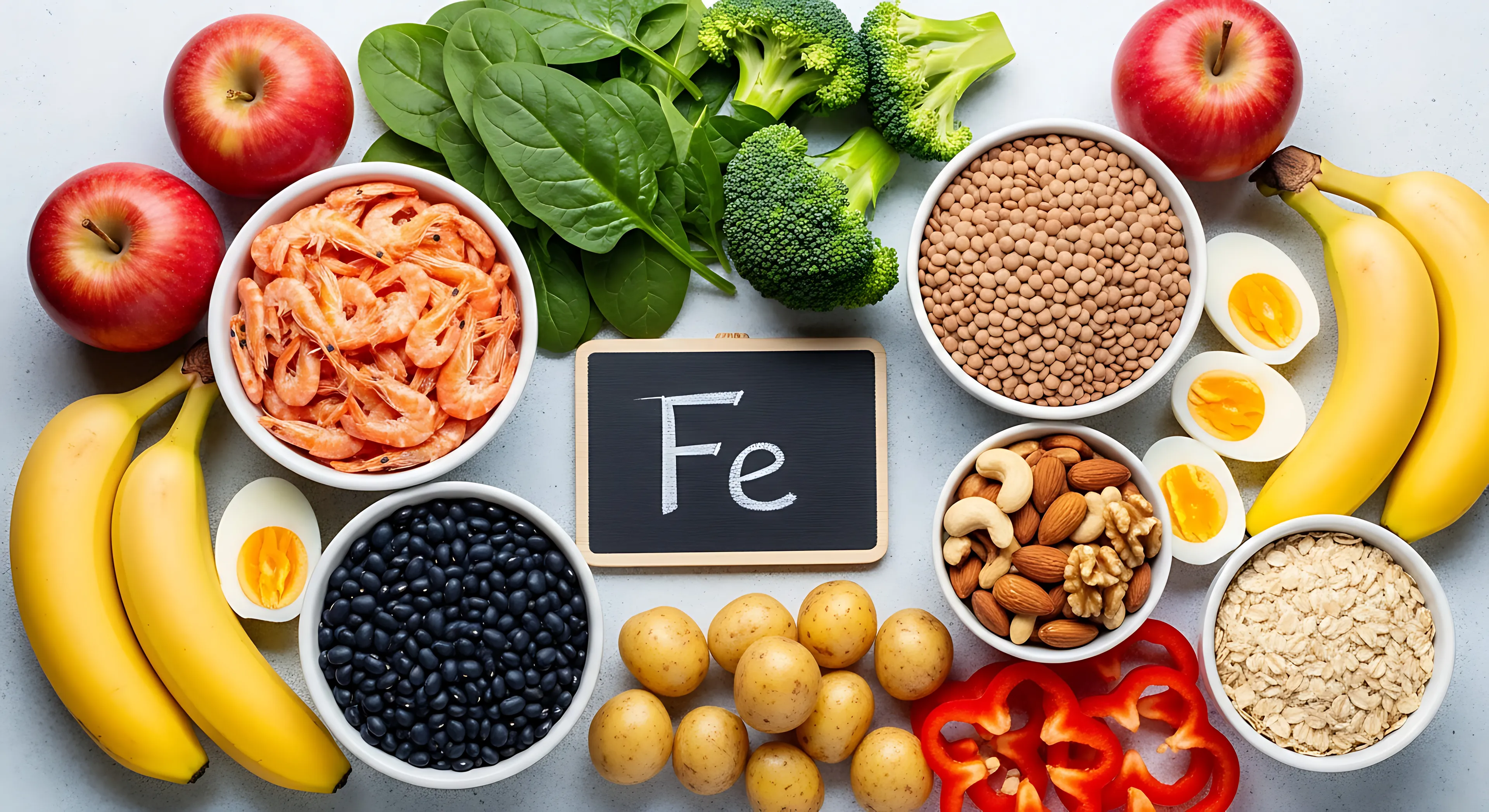
Good sources include:
- Iron-fortified infant cereals
- Meat, poultry and fish in suitable textures
- Lentils, beans and other pulses
- Well-cooked egg
- Other iron-containing foods appropriate for the baby's developmental stage
Breastfed babies should receive iron-rich complementary foods from around 6 months. Some infants may also require iron supplementation depending on their individual circumstances, so supplementation should be discussed with a paediatrician.
Vitamin D and Infant Feeding
Vitamin D is important for calcium absorption and normal bone development. Breast milk alone generally does not provide enough vitamin D to meet an infant's needs.
For this reason, breastfed or partially breastfed babies may need vitamin D supplementation according to local guidance and their healthcare professional's advice. Formula-fed babies may obtain vitamin D from fortified infant formula, depending on how much formula they consume.
Fortified cereal should not be treated as a universal substitute for recommended vitamin D supplementation.