logo
0

Can I Use Wipes for Newborn Skin? Gentle Guide

Learn whether wipes are safe for newborn skin, when to use them, gentle alternatives, ingredients to avoid, and tips to prevent skin irritation.

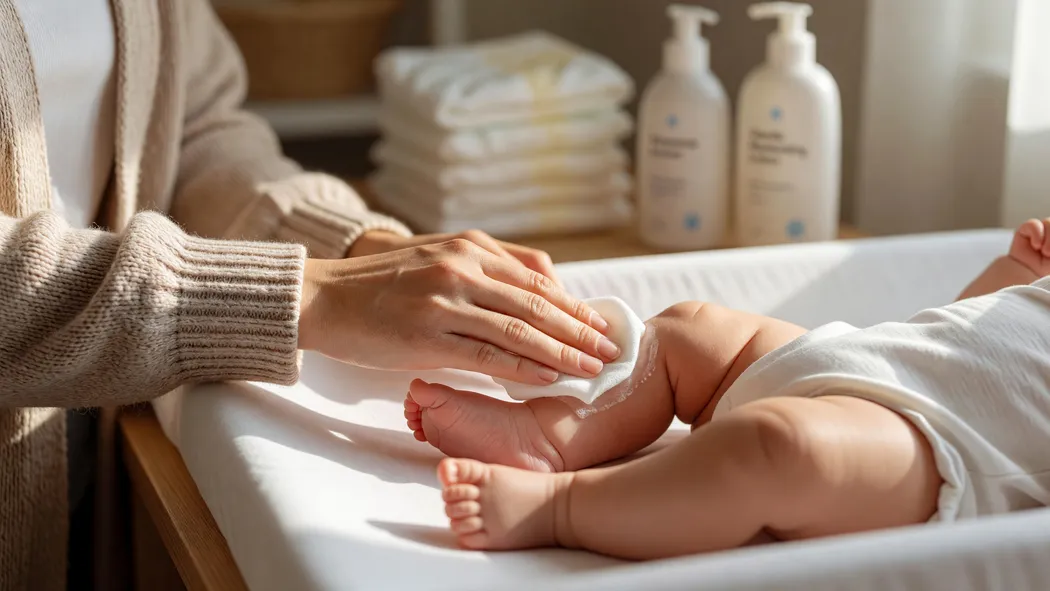
article image

Dr.Mayank

Bringing a newborn home raises dozens of small but urgent questions, and "can I use wipes for newborn skin?" is one of the first. It matters because newborn skin is thinner, more permeable, and far more reactive to chemicals than adult skin. Getting cleansing right in the early weeks protects that delicate barrier and lowers the risk of irritation, rashes, and infection.

Are Wipes Safe for Newborn Skin?

The short answer is: not always, and not right away.

Most paediatric guidance suggests waiting until the umbilical cord stump has fallen off, which usually happens between two and four weeks after birth. Until then, plain water and soft cotton wool are the safest choice for cleaning your baby's bottom and skin folds.

After the cord detaches and the navel has healed, you can gradually introduce wipes, starting with a small patch test on the thigh or forearm. If there is no redness or irritation after 24 hours, the product is likely safe for your baby. Learn more about how to care for your newborn's belly button during this sensitive window.

What to Look for in Newborn-Safe Wipes

Not all baby wipes are created equal. When selecting wipes for a newborn, it is important to choose products that are designed to minimise irritation and support the skin's natural protective barrier. Look for the following features:

  • Fragrance-free: Added fragrances, including those labelled as "natural," are a common cause of skin irritation and contact dermatitis in babies.
  • Alcohol-free: Alcohol can dry the skin and disrupt its natural moisture barrier, increasing the risk of irritation.
  • pH-balanced: Wipes formulated to match the skin's naturally slightly acidic pH are generally gentler and less likely to disturb the skin barrier.
  • Hypoallergenic and dermatologist-tested: While these claims do not guarantee that a reaction will not occur, they indicate that the product has been evaluated with sensitive skin in mind.
  • Free from potentially irritating preservatives: Many parents prefer wipes without parabens, methylisothiazolinone (MIT), and other strong preservatives, particularly for newborns with sensitive skin.

Choosing a fragrance-free, alcohol-free wipe with a short ingredient list is often the simplest way to reduce the risk of irritation, especially if there is a family history of eczema, allergies, or sensitive skin. Always do a patch test before using a new brand across the whole nappy area.

Gentle Cleansing Alternatives to Wipes

Wipes are convenient, but they are not the only option, and in the first fortnight they should not be the first option.

Good alternatives include:

  • Cotton balls or cotton pads soaked in lukewarm water. These are soft, disposable, and have no additives.
  • Soft muslin cloths dampened with clean, warm water. Rinse and dry them thoroughly between uses.
  • Unscented, reusable cloth wipes moistened with plain water.

Prefer water-based cleansing when your newborn has any broken or inflamed skin, when the cord stump is still present, or when you have not yet identified which wipe brand suits your baby. Water and cotton have no preservatives, no fragrances, and almost zero risk of chemical irritation.

When to Avoid Wipes: Contraindications and Skin Reactions

There are specific situations where wipes should not be used, regardless of how gentle the formula claims to be.

Do not use wipes on your newborn if:

  • The skin is broken, cracked, or bleeding.
  • There is an active skin infection or open wound near the nappy area. For guidance on treating minor skin cuts and wounds, consult a healthcare professional before applying any product.
  • Your baby has diagnosed eczema or another inflammatory skin condition, unless a paediatrician has confirmed a specific wipe is safe.
  • The umbilical cord stump has not yet separated. Wipes near the cord can introduce moisture or irritants that slow healing.
  • You notice wipes for baby diaper rash are worsening the rash rather than helping. Some commercially marketed "sensitive" wipes still contain low-level irritants.

Signs that a wipe is causing a reaction include redness, small bumps, swelling, or your baby crying more than usual during nappy changes. If any of these appear, stop using the product immediately.

Reporting Skin Reactions or Adverse Effects

If your newborn shows a skin reaction, irritation, or any unexpected symptom after using a baby wipe or cleansing product, consult your paediatrician or a pharmacist without delay. Do not wait for the reaction to resolve on its own, particularly if the skin looks infected or your baby is running a fever.

Report adverse events to your healthcare provider or the relevant regulatory authority.

Conclusion

Wipes can be convenient for newborn care, but choosing a gentle product and using it appropriately is important because newborn skin is delicate and more prone to irritation. During the early weeks, particularly while the umbilical cord stump is still present, plain water and soft cotton wool can be a simple alternative. When introducing wipes, choose fragrance-free, alcohol-free products with minimal ingredients and monitor your baby's skin for any reaction. Avoid wipes on broken, bleeding, infected, or inflamed skin, and stop using a product if redness, swelling, or worsening rash develops. If your newborn develops a significant or persistent skin reaction, seek advice from a paediatrician.

FAQS

Can I use wipes for newborn baby?

Yes, but ideally after the umbilical cord stump has fallen off at around two to four weeks. Before that, plain water and cotton wool are safer choices.

Are water wipes better than regular wipes for newborns?

Water-based wipes with minimal ingredients (99% water and a gentle preservative, for example) are generally gentler on newborn skin. They are a good starting point if you are unsure which product suits your baby.

How often should I use wipes on a newborn?

Use them only when needed, typically at each nappy change when there is soiling. Wiping too frequently can dry out or irritate delicate skin.

Can baby wipes cause diaper rash?

Yes, wipes containing fragrances, alcohol, or certain preservatives can trigger or worsen nappy rash in sensitive babies. Switching to fragrance-free baby wipes and giving the skin time to air-dry often helps.

Do I need to wipe newborn after every diaper change?

After a wet nappy, a gentle pat dry with a soft cloth is usually enough. After a soiled nappy, clean the area thoroughly with water or an appropriate wipe, wiping front to back to prevent infection.

Apollo 247 Floating Action Button