logo
0

Gripe Water for Babies

Wondering if gripe water is good for babies? Learn if it's safe, how it works, potential risks, and paediatrician-approved alternatives for colic.
 

article image

Dr. Vasantha Sree

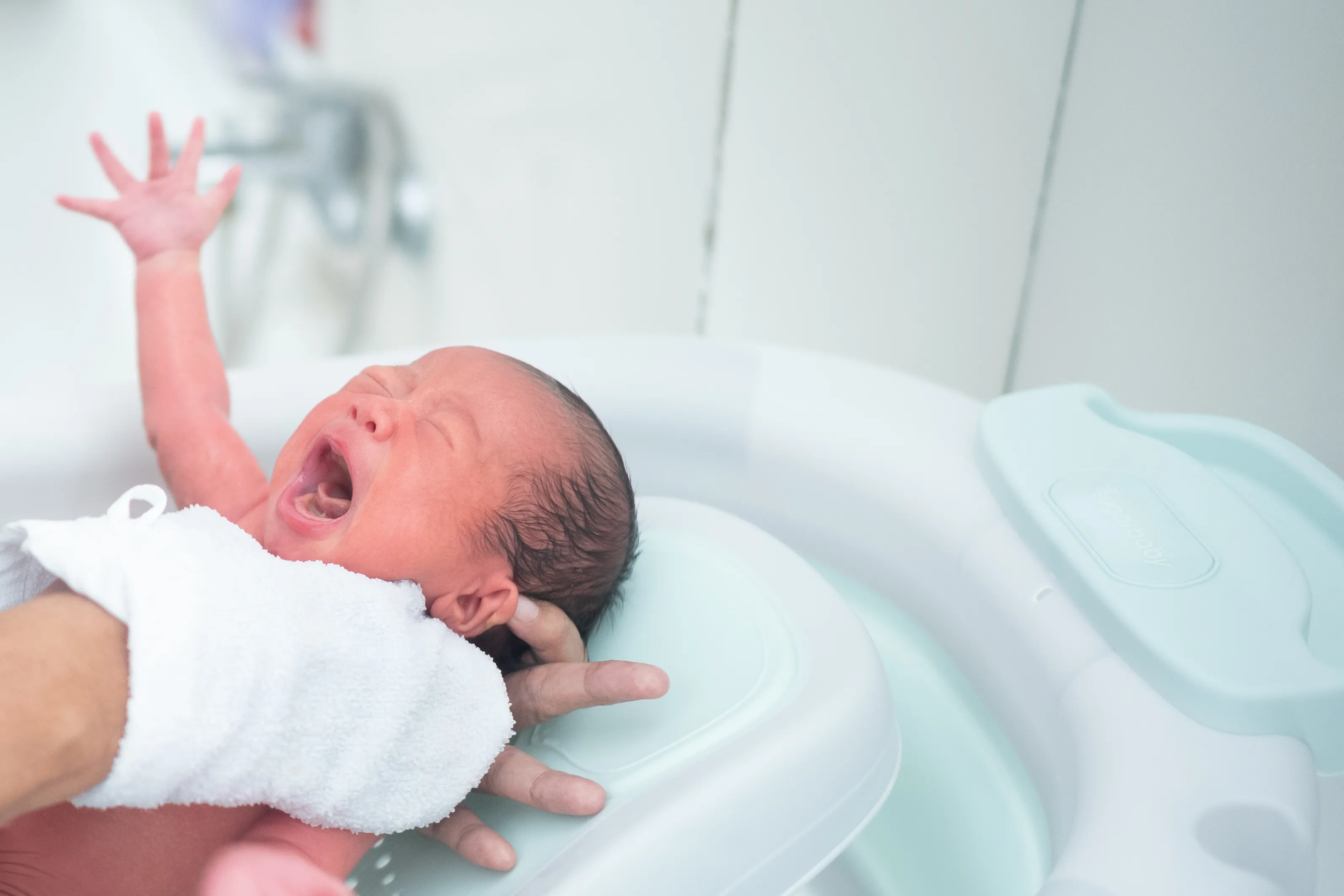
If you are a new parent, you have likely had sleepless nights spent trying to soothe a crying, fussy infant. During these stressful moments, you might find yourself looking at various remedies and wondering, is gripe water good for babies?

Colic, gas, and general fussiness can make babies miserable and leave parents feeling helpless. For generations, gripe water has been passed down as a classic remedy for infant distress. However, before you head to the pharmacy, it is essential to understand what gripe water is, how it affects your baby's delicate system, and whether medical professionals support its use.

This comprehensive guide will explore the safety, efficacy, and ingredients of gripe water so you can make the best choice for your little one.
 

What Exactly is Gripe Water?

Gripe water is a liquid herbal supplement originally formulated in the mid-19th century by an English pharmacist named William Woodward. It was initially used to treat "gripe" (a term historically used for infant colic and gas) and even malaria in some regions.

Historically, Woodward’s original formula contained alcohol, sodium bicarbonate, sugar, and dill oil. Today, formulas have changed significantly. Knowing whether Woodward's Gripe Water is safe for babies depends on checking the ingredients of the specific bottle you buy. Modern manufacturers have removed alcohol, making Woodward's Gripe Water good for babies in a much safer way than in the 19th century. However, ensuring that woodwards gripe water safe for babies still requires checking for additives and consulting your paediatrician.

Modern gripe water formulas typically contain a blend of water and herbs known for their digestive properties, including:

  • Fennel: Often used to relieve gas and intestinal spasms.
  • Ginger: Known to ease nausea and support digestion.
  • Chamomile: Used for its calming and mild sedative effects.
  • Lemon Balm: Often included to promote relaxation.
  • Sodium Bicarbonate: Sometimes added to neutralise stomach acid, though many modern formulas exclude it due to risk of altering a baby's natural pH levels.
     

Is Gripe Water Good for Babies?

To understand whether gripe water is good for babies, we have to look at how it works. Historically, parents believed that gripe water is good for babies because the herbal blend helps relax the intestinal muscles, releasing trapped gas.

But is gripe water good for babies in reality? Many paediatricians point out that there is limited scientific evidence to support its efficacy. However, many parents report that gripe water is good for babies is a reality in their household, noting a visible reduction in crying.

On the other hand, you might wonder, is gripe water good for babies' overall digestive development? Medical experts suggest that while it may temporarily soothe symptoms, it does not cure colic or gas. If you are searching online to see if gripe water is good for babies, keep in mind that much of its success is anecdotal rather than scientifically proven. Often, the act of giving a baby a sweet-tasting liquid simply distracts them from their discomfort, which can temporarily stop a crying spell.
 

Is It Safe? Understanding the Risks

Safety is always a top priority for parents. So, is gripe water safe for babies? Generally, modern, commercial gripe water is considered safe, but it is not entirely risk-free.

To ensure gripe water is safe for babies, you must carefully read the label. Some older or imported brands may still contain alcohol or high amounts of sugar, which can harm developing teeth and alter feeding habits. You must confirm that the gripe water is safe for babies by choosing alcohol-free, sugar-free, and sodium bicarbonate-free options.

Additionally, some parents ask, is gripe mixture safe for babies? Yes, gripe mixture (another term for gripe water) is generally safe, provided it does not contain harmful preservatives like parabens or gluten, which can trigger allergic reactions.

Potential Risks and Side Effects

  • Allergic Reactions: Because gripe water contains various herbs, some babies may experience an allergic reaction. Watch for hives, itching, swelling, or breathing difficulties.
  • Introduction of Bacteria: If the dropper or bottle is contaminated, it can introduce harmful bacteria to your baby’s sterile digestive system.
  • Nutritional Interference: Giving gripe water too close to feedings can fill up your baby's tiny stomach, causing them to drink less breast milk or formula.

Age Guidelines: When and How Can I Give It?

Before administering any remedy, you need to know the proper timing. When should I give gripe water to my baby? Most paediatricians advise waiting until the baby’s digestive system is a bit more mature.

Can I Give It to a Newborn?

Can I give gripe water to my 1-month-old baby? Generally, medical experts recommend avoiding gripe water for newborns under one month of age. Their digestive tracts are highly sensitive, and exclusive breastfeeding or formula feeding is best.

Can I Give It to a 2-Month-Old?


By the second month, things change. If you ask, can I give gripe water to my 2-month-old baby, the answer is usually yes, but with caution. At two months, a baby’s digestive system is slightly more robust.

However, you should still ask yourself, should I give gripe water to my baby, or can I try natural soothing techniques first? If you decide to proceed, always ask, can I give gripe water to my baby without a doctor's approval? The safest route is to consult your paediatrician before introducing any new supplement to your child's diet.
 

Gripe Water: Good or Bad for Babies?

Weighing whether gripe water for babies is good or bad requires looking at both sides of the coin. Deciding whether gripe water is good or bad for babies often comes down to your individual child's reaction and the specific brand you choose.

The Good (Pros)

The Bad (Cons)

Can offer quick, temporary relief from gas and hiccups. 

May contain hidden sugars, alcohol, or excess sodium.

The sweet taste can distract and calm a crying baby. 

Risk of allergic reactions to herbal ingredients.

Easy to administer with a dropper.

Not evaluated or regulated strictly by the FDA

Herbal ingredients like chamomile can promote sleep. 

Can interfere with regular milk feedings if given too often.

Ultimately, is it good to give gripe water for babies? While it is generally not harmful in small, appropriate doses, it should not be your first line of defence. Understanding if gripe water is good or bad for babies means recognising it as an occasional aid rather than a daily necessity.


How to Choose: Which Gripe Water is Best?

If you and your paediatrician agree to try it, you might wonder which gripe water is good for babies. Not all gripe waters are created equal. When shopping, look for the following criteria:

1. Alcohol-Free and Sugar-Free: Ensure there is absolutely no alcohol or added sugar.
2. Sodium Bicarbonate-Free: Excess sodium bicarbonate can disrupt a baby’s natural stomach pH levels.
3. Natural and Organic: Look for USDA-certified organic brands that use pure dill, fennel, and ginger.
4. No Artificial Preservatives: Avoid brands containing parabens, artificial colours, or chemical flavourings.

So, is Woodward's gripe water good for babies compared to other brands? Woodward's is a household name worldwide, but always read the specific regional bottle’s label to make sure it meets modern safety standards and does not contain alcohol.
 

Natural Alternatives to Soothe Your Baby

If you are hesitant to use gripe water, there are several highly effective, paediatrician-approved alternatives to help soothe a gassy or colicky baby:

  • The "Bicycle" Exercise: Lay your baby on their back and gently move their legs in a bicycling motion toward their tummy. This physically helps push out trapped gas.
  • Tummy Massage: Gently massage your baby’s abdomen in a clockwise motion. This follows the natural path of digestion and can help move trapped air.
  • Swaddling and Shushing: Mimicking the environment of the womb can calm a fussy baby. Wrap them snugly in a blanket and use a white noise machine.
  • Burp Frequently: Ensure you burp your baby halfway through feedings and immediately afterwards to prevent gas from building up in their stomach.
  • Warm Baths: A warm, soothing bath can relax your baby's abdominal muscles and distract them from discomfort.
     

FAQS

Can I mix gripe water with breast milk or formula?

It is not recommended to mix gripe water directly with breast milk or formula. To ensure the remedy works effectively and to avoid altering the taste or nutritional balance of your baby's regular feedings, administer gripe water separately using a syringe or dropper.
What are the signs of an allergic reaction to gripe water?

Signs of an allergic reaction include hives, skin redness, itchiness, swelling of the face, tongue, or lips, vomiting, and difficulty breathing. If you notice any of these symptoms after giving gripe water, seek immediate medical attention.

How often can I give my baby gripe water?

You should always follow the dosage instructions on the specific product packaging, as formulations vary. Generally, gripe water should not be given more than 4 to 6 times in 24 hours. Do not use it as a daily preventive supplement; only use it when active symptoms of gas or colic appear.

Why do some paediatricians recommend avoiding gripe water?

Many paediatricians prefer parents to avoid gripe water because it is classified as a dietary supplement, meaning it is not strictly regulated by the FDA. Additionally, there is a risk of introducing unnecessary ingredients to a newborn's sensitive gut, and many of the soothing effects can be achieved through natural methods like massage or swaddling.

Apollo 247 Floating Action Button