logo
0

Guava for Babies

Learn when babies can eat guava, its benefits, safe serving tips, and precautions for introducing this nutritious fruit.

article image

Dr.J.T.Hema Prathima

Introducing solid foods to your little one is an exciting milestone filled with messy faces, funny reactions, and a whole lot of questions. As a parent, you want to offer a wide variety of nutrient-rich foods to help your baby grow strong and healthy. If you are currently browsing the produce aisle and expanding your toddler's diet, you might be wondering, can I give guava to my 1 year old baby?

Before tossing this tropical fruit into your shopping cart, it is completely natural to ask, can I give guava to my baby? After all, while guava is highly nutritious, it does come with a unique texture, thick skin, and lots of tiny, hard seeds that can pose a challenge for developing digestive systems and tiny throats.

In this comprehensive guide, we will break down everything you need to know about introducing guava to your infant. From safety precautions and nutritional benefits to age-specific preparation methods, here is how you can safely share this delicious tropical fruit with your child.

The Nutritional Powerhouse: Why Guava is Great for Growing Babies

Guava is a nutritional superstar. According to dietary guidelines from organizations like the World Health Organization (WHO), introducing a diverse range of fruits and vegetables early on helps establish healthy eating habits for life. Here is a closer look at what makes guava an excellent addition to your baby's menu:

  • Immense Vitamin C Content: Did you know that guavas contain significantly more Vitamin C than oranges? Vitamin C is crucial for supporting your baby's developing immune system. More importantly, it helps your baby’s body absorb non-heme iron from plant-based foods, which is essential around the 6-to-12-month mark when iron stores begin to deplete.
  • High Dietary fibre: Guava is loaded with dietary fibre. fibre promotes healthy digestion and keeps your baby's bowel movements regular. If your infant is transitioning to solids and experiencing mild constipation, a little guava can help keep things moving smoothly.
  • Rich in Vitamin A and Antioxidants: Vitamin A is vital for healthy vision and skin development. Guavas are also packed with antioxidants like carotenoids, which protect cells from damage.
  • Essential Minerals: Guava contains potassium, which supports healthy blood pressure and heart function, as well as small amounts of folate, magnesium, and calcium.

Age-by-Age Guide: When and How to Introduce Guava

While guava is incredibly healthy, the way you serve it must change as your baby grows. Below is a breakdown of how to safely introduce guava at different stages of your infant’s development.

At 6 Months: Starting Solids

If you are starting with solid foods, you might ask, can I give guava to my 6 month old baby?

Yes, you can introduce guava to a 6-month-old, but you must exercise extreme caution. At this stage, your baby’s digestive tract is still maturing, and they do not have the ability to chew hard seeds or tough skins. To serve guava safely at 6 months:

  1. Choose a very ripe, soft guava.
  2. Peel the skin entirely.
  3. Cut the fruit open and scoop out every single seed.
  4. Steam the remaining flesh until it is completely soft.
  5. Blend it into a smooth, liquid-like purée.

Making homemade guava baby food is simple, and mixing it with a little breast milk, formula, or water is a great way to introduce this tropical flavor to your beginner eater.

At 8 Months: Exploring Textures

By this stage, your little one may be ready for slightly thicker textures. You might wonder, can I give guava to my 8 month old baby?

At 8 months, your baby is likely starting to develop a pincer grasp and may be ready for mashed foods rather than smooth purées. You can prepare guava baby food by mashing thoroughly deseeded, cooked guava with a fork. You can also mix mashed guava with other familiar baby foods, such as oatmeal, plain unsweetened yogurt, or banana purée. Always make sure the seeds and skin are completely removed.

At 12 Months: Transitioning to Toddlerhood

So, can I give guava to my 1 year old baby? Absolutely! By their first birthday, most toddlers have developed better chewing skills and have a few teeth to help them manage soft, solid foods.

However, even though your 1-year-old is much better at eating solids, the seeds inside a guava remain a notable choking hazard. Additionally, their digestive systems may still struggle to break down the hard seeds, which can lead to stomach discomfort or show up fully intact in their diaper. When answering the question, can i give guava to my 1 year old baby, remember that preparation is still key:

  • Always peel the guava.
  • Deseed the fruit thoroughly.
  • Cut the soft, ripe flesh into small, bite-sized pieces (about the size of a chickpea) that your toddler can easily pick up and chew safely.

    Guava Preparation by Age
     

    AgePreparation
    6 MonthsFully peeled, deseeded, steamed, and served as a smooth purée
    8 MonthsFully peeled, deseeded, and mashed with a fork
    12 Months+Fully peeled, deseeded, and cut into tiny, bite-sized pieces


How to Safely Prepare Guava for Your Baby

To ensure your baby gets all the health benefits of guava without any of the safety risks, follow this simple step-by-step preparation method:
Step 1: Select the Right Guava

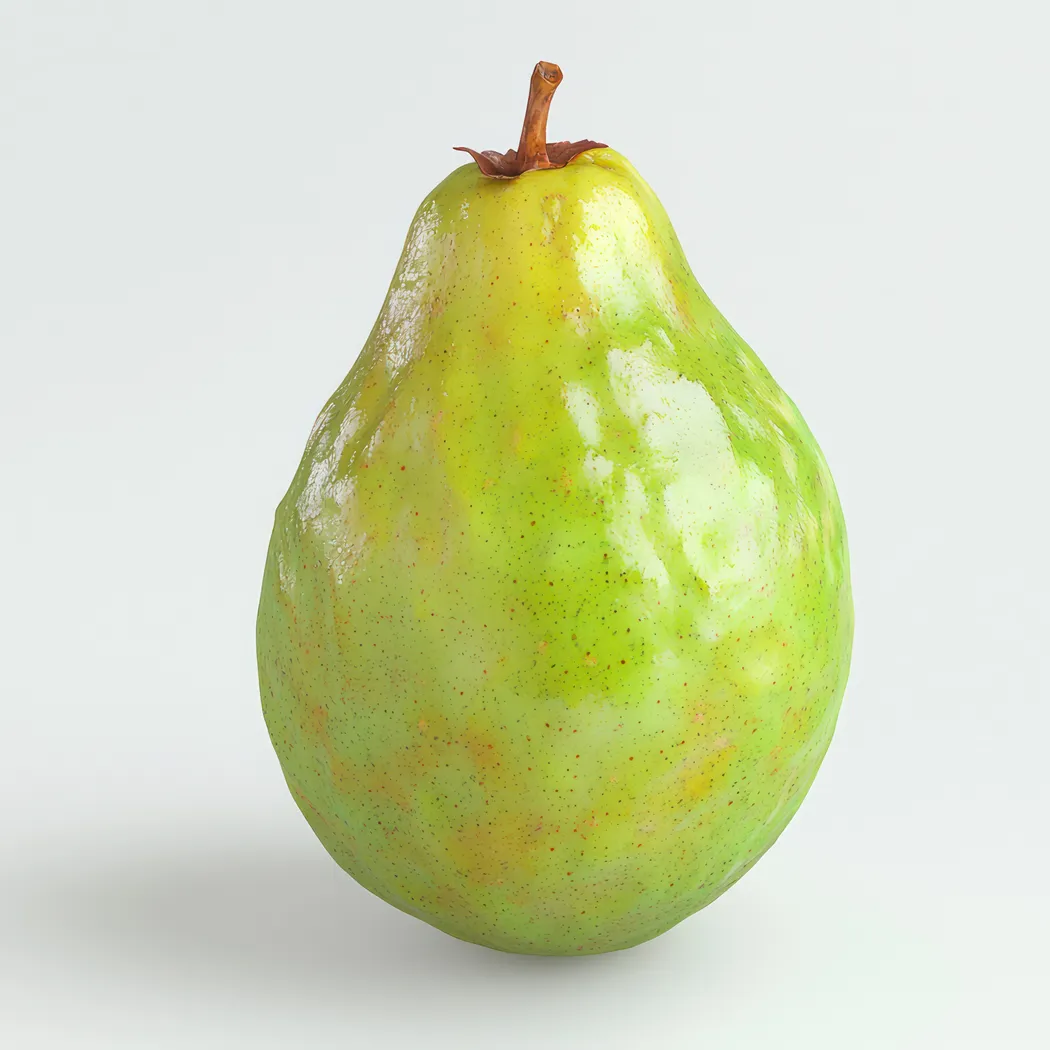
Look for ripe guava at the grocery store. A ripe guava will yield slightly to gentle pressure (similar to a ripe avocado) and will have a sweet, fragrant aroma. Avoid guavas that are rock-hard, heavily bruised, or have blemishes on the skin. Pink or white guavas are both excellent choices, though pink guavas are often slightly sweeter and softer.

Step 2: Wash and Peel

Wash the fruit thoroughly under cool, running water to remove any dirt or bacteria. Even though you are going to peel it, washing prevents dirt from transferring from your knife to the flesh of the fruit. Use a sharp vegetable peeler or knife to remove the skin completely.

Step 3: Remove the Seeds (Crucial Step)

Cut the guava in half. You will see a central pocket filled with small, hard seeds. Use a metal spoon to scoop out the entire seedy center. Be diligent here; guava seeds are incredibly hard and can easily cause a baby to gag or choke.

Step 4: Cook and purée (For Younger Babies)

If your baby is under 10–12 months old, cut the undesired flesh into small chunks. Steam the chunks in a steamer basket over boiling water for about 5 to 7 minutes, or until they are fork-tender. Transfer the cooked guava to a blender or food processor and blend until perfectly smooth. Add a splash of water, breast milk, or formula to achieve the desired consistency.

Step 5: Serve Safely

Allow the purée or mashed fruit to cool down to room temperature before serving it to your baby.

Potential Risks and Precautions

When introducing any new food to your baby's diet, it is important to be aware of potential risks. Here is what you should keep in mind when serving guava:

  • Choking Hazard: The primary risk associated with guava is its seeds and hard skin. Always peel and thoroughly deseed the fruit before serving it to babies and young toddlers.
  • Allergic Reactions: Allergic reactions to guava are relatively rare, but they are still possible. When introducing guava for the first time, serve it alone and wait 3 to 5 days before introducing another new food. This allows you to easily identify the culprit if an allergic reaction occurs. Look out for signs of an allergy, such as hives, swelling of the lips or tongue, vomiting, diarrhoea, or wheezing. If you notice mild symptoms, contact your paediatrician. Seek emergency medical care immediately if your baby exhibits signs of a severe allergic reaction (anaphylaxis), such as difficulty breathing.
  • Digestive Discomfort: Because guava is very high in fibre, introducing too much of it too quickly can cause temporary gas, bloating, or loose stools in babies who are not used to a high-fibre diet. Start with small portions—such as one or two teaspoons of purée—and gradually increase the amount.

Conclusion

Guava can be a nutritious addition to your baby’s diet from around 6 months when they are developmentally ready for solids. Rich in vitamin C, fibre, and other nutrients, it can support healthy growth and digestion. Always choose ripe guava, remove the skin and seeds, and prepare it in an age-appropriate texture. For a 1-year-old, guava can be peeled, completely deseeded, and cut into small, manageable pieces for safe enjoyment.

FAQS

Can I give guava to my 1 year old baby with the seeds?

No, it is highly recommended to remove the seeds. Guava seeds are very hard and do not break down easily. They pose a significant choking hazard for infants and toddlers and can also cause digestive upset or stomach irritation.

Is store-bought guava juice safe for my baby?

According to the Centers for Disease Control and Prevention (CDC) and the American Academy of Paediatrics (AAP), babies under 12 months should not be given juice of any kind. For toddlers over 1 year old, whole fruit is always highly preferred over juice because juice lacks beneficial fibre and is very high in concentrated sugars. If you do offer juice to a toddler over 12 months, ensure it is 100% pasteurized juice, diluted with water, and limited to no more than 4 ounces per day.

Can guava help relieve baby constipation?

Yes! Guava is rich in dietary fibre and has a high water content, both of which help soften stools and promote healthy digestion. If your baby is struggling with mild constipation from starting solids, a small amount of deseeded guava purée can help.

What is the difference between pink and white guava for babies?

Both pink and white guavas are highly nutritious. Pink guavas generally contain more vitamin A and carotenoids (which give them their pink hue) and tend to be slightly sweeter and softer. White guavas often contain slightly more vitamin C. Both are safe for your baby as long as they are ripe, peeled, and deseeded.

Can I use frozen guava to make baby food?

Yes, you can use frozen guava. However, make sure the frozen product does not contain any added sugars or preservatives. Thaw the guava thoroughly, ensure it is deseeded and peeled, and then purée or mash it as you would with fresh fruit.

Apollo 247 Floating Action Button