Pregnancy Testing Methods: Urine vs Blood HCG Tests
There are two main ways to measure HCG, and knowing the difference helps you choose the right test at the right time.
Home Urine Tests
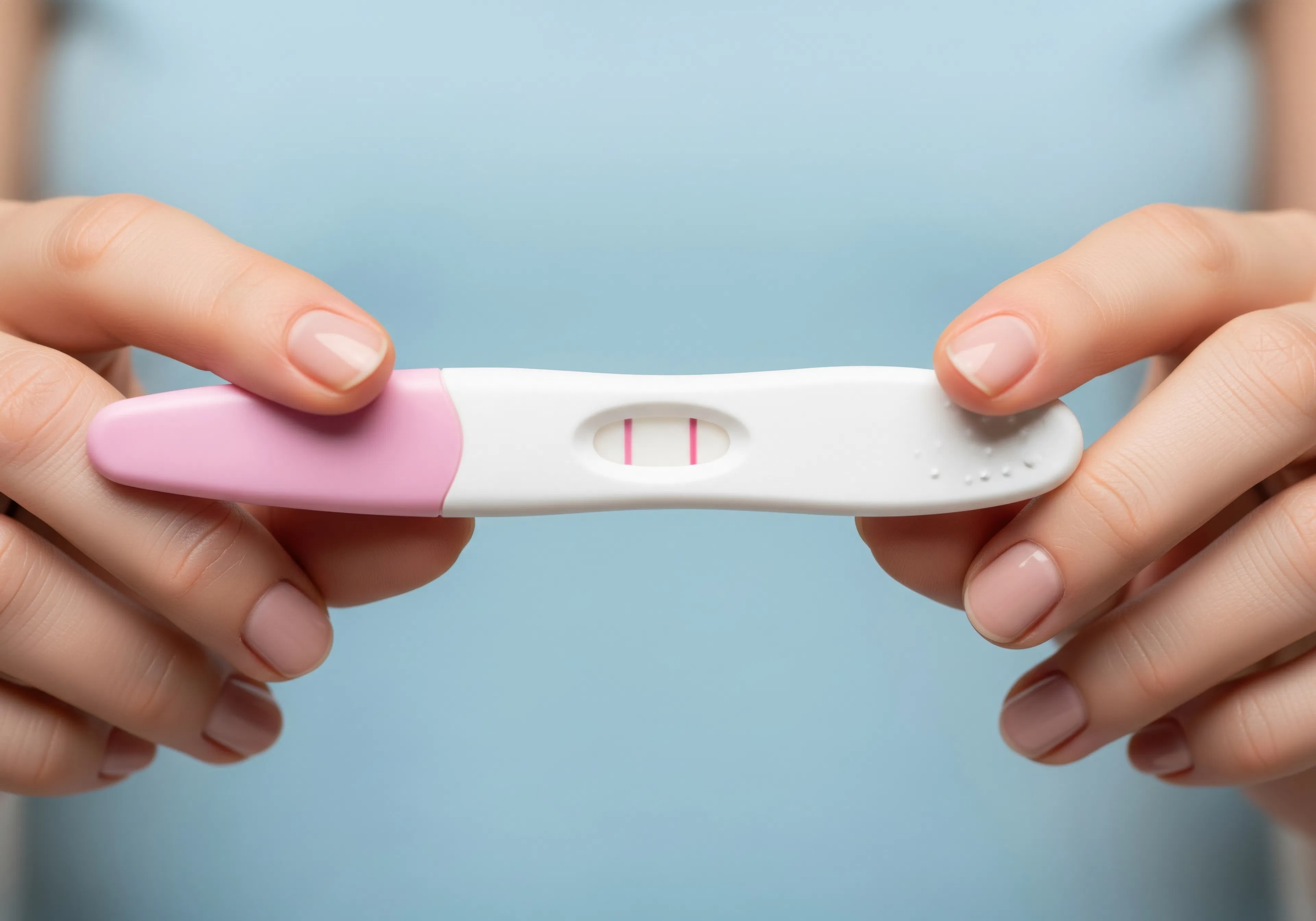
Home pregnancy tests detect HCG in urine. Most pick up HCG at concentrations as low as 20 to 25 mIU/mL, which is enough to return a positive result around the time of a missed period. Testing with first-morning urine improves hcg pregnancy test accuracy because urine is most concentrated then.
A positive line, even a faint one, is significant because any detectable HCG points to pregnancy. A negative result before a missed period may simply mean levels have not risen high enough yet, so re-testing a few days later is reasonable.
Qualitative Blood HCG Test
This test gives a simple yes-or-no answer. It can detect lower concentrations than most urine tests, sometimes as early as 10 days after conception.
Quantitative Blood HCG Test (Beta-HCG)
This is the key distinction in the hcg blood test vs urine test comparison. A quantitative test measures the exact amount of HCG in the blood. Doctors order it when they need to track whether levels are rising appropriately, confirm an uncertain urine result, or monitor a pregnancy at risk. Serial quantitative tests taken 48 hours apart give far more information than any single measurement.